neto hoja zarzabacoa de dos hojas Care (Zornia reticulata)

Also known as: Net Leaf Rabbit's Ears

About neto hoja zarzabacoa de dos hojas

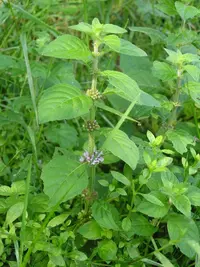
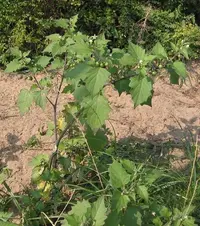
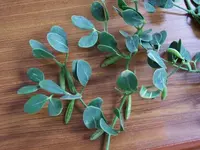
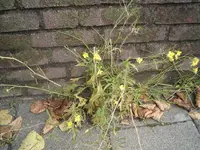
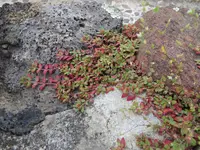
Neto hoja zarzabacoa de dos hojas, Zornia reticulata, is a small herbaceous legume valued mainly as a wild forage and groundcover in warm regions. It typically forms low, spreading mats with delicate paired leaflets and small yellowish flowers that give it a fine, soft texture.

This species occurs naturally in tropical and subtropical areas of the Americas, especially in open grasslands and disturbed sites. It tends to be resilient, adapting to poor soils and irregular care, which makes it relatively easy to manage in informal plantings.

In cultivation, it generally prefers sunny, open positions, moderately moist but well-drained soil, and does not tolerate prolonged waterlogging. These traits are useful to understand how to care for neto hoja zarzabacoa de dos hojas in simple home or community garden settings.

Main Plant Requirements

Care Difficulty

Moderate Care

Light Preference

Full Sun

Water Requirements

Moderate Water

Temperature Preference

Warm Climate

Hardiness Zone

10–12

Soil Texture

Sandy, Loamy, Organic-rich

Soil pH

Acidic (5.5–6.5), Slightly acidic (6.5–7.0)

Soil Drainage

Well-drained

Fertilization

Minimal (feed rarely)

Get Personalized Care Plan

Scan your plant to receive care tips personalized for your specific plant

Available on iOS and Android

How to Care for the neto hoja zarzabacoa de dos hojas

This tropical legume prefers bright, open conditions that mimic its native grassland habitats.

  • Provide 6–8 hours of direct sun daily; light morning sun with some light afternoon shade helps prevent leaf scorch in hot climates.
  • Tolerates light partial shade (3–4 hours direct sun) but flowering and density drop if shaded for most of the day.
  • In summer, protect neto hoja zarzabacoa de dos hojas from intense late-afternoon sun; in cooler seasons, select the sunniest available site to maintain compact growth.

This species prefers consistently moist but not saturated soil during active growth.

  • Water when the top 2–4 cm of soil feels dry, using enough volume so moisture reaches the full root zone, then let excess drain away.
  • In hot, dry periods, expect to water more often as leaves may lose turgor slightly by late afternoon; reduce frequency in cooler or rainy seasons.
  • Watch for yellowing, soft stems as a sign of overwatering and crisp, folding leaflets as a sign of underwatering, then adjust volumes and intervals accordingly.

This warm-season plant thrives in stable, mild to hot conditions without cold stress.

  • Target 70–86°F (21–30°C) for strongest growth; germination and early development are most reliable toward the upper part of this range.
  • Avoid exposing it below 50°F (10°C); growth slows markedly, and repeated drops near 40°F (4°C) can cause dieback or plant loss.
  • Tolerates short spikes up to about 95°F (35°C) if soil moisture is adequate, but prolonged extreme heat or any frost quickly damages foliage and stems.

This species tolerates a wide humidity range and does not need special moisture control indoors.

  • Maintain 40–60% humidity, which is typical of most homes, without extra devices.
  • Dry indoor air rarely harms neto hoja zarzabacoa de dos hojas if watering is consistent.
  • Watch for crispy leaf edges or slowed growth as signs of combined drought and low humidity stress, then adjust watering first.

This plant prefers light, well-drained, slightly sandy substrates that do not stay wet for long.

  • Use a mix of roughly 50% sandy loam, 30–40% compost, and 10–20% perlite to keep the soil both fertile and airy.
  • Aim for slightly acidic to neutral pH around 6.0–7.0, which supports nutrient availability without causing toxicity.
  • Improve drainage and aeration by avoiding compaction; gently crumble the mix and avoid pressing it firmly around the roots.
  • Do not use heavy clay or water-retentive mixes that remain soggy, since these conditions quickly lead to root decline in Zornia reticulata.

This species can be grown in containers when provided with a shallow, free-draining setup.

  • Choose a wide, shallow pot to match the relatively fine root system and encourage lateral spread rather than depth.
  • Select a lightweight material such as plastic or thin terracotta so the container dries predictably after rainfall or watering.
  • Elevate the pot slightly on feet or bricks so drainage holes stay clear and runoff does not re-enter the root zone.

This nutrient-efficient legume usually needs minimal feeding, especially in reasonably fertile soil.

  • In poor or very sandy soils, apply a light top-dressing of compost at the start of the warm growing season to support growth of neto hoja zarzabacoa de dos hojas.
  • If using fertilizer, choose a balanced NPK product at 1/4–1/2 strength to avoid excess nitrogen, which can reduce flowering.
  • Feed at most every 6–8 weeks during active growth; skip applications when plants are flowering poorly due to drought or stress.
  • Stop fertilizing in late fall or during any cool dormant period so new soft growth does not develop at the wrong time.

Zornia reticulata needs only light pruning to maintain a tidy, healthy shape.

  • Carry out any shaping or clean-up in late winter or early spring before strong new growth starts.
  • Remove dead, damaged, or diseased stems first, then thin crowded shoots to improve airflow and light penetration.
  • Use clean, sharp scissors or small pruning shears and make cuts just above a healthy leaf node.
  • Light tipping of vigorous shoots can encourage a denser, more compact habit and more flowering points.

This species is more often grown in the ground, but container plants or young transplants benefit from careful handling.

  • Plan transplanting for late spring or early summer, once soil is warm and stable, to reduce shock and support new root growth.
  • Look for roots circling the pot drainage holes, slow growth despite good care, or quick drying soil as signs a container plant needs more space.
  • Shift to a container only 1–2 in wider, using a free-draining mix, and loosen the outer root layer gently without breaking the root ball.
  • Water thoroughly after transplanting, then keep soil slightly moist and shaded for 3–5 days to limit stress while roots re-establish.

This plant is most commonly propagated from seeds under warm, bright conditions.

  • Sow fresh seeds in late spring or early summer when temperatures stay around 70–80°F for reliable germination.
  • Use a light, well-drained seed mix, cover seeds lightly, and keep the surface evenly moist but never waterlogged.
  • Provide bright, indirect light and good airflow; seedlings often emerge in 1–3 weeks under stable warmth.
  • Harden off young plants gradually outdoors, then transplant once roots hold the mix and weather remains consistently warm.

This warm-climate species has low frost tolerance and benefits from simple winter precautions in cooler regions.

  • In areas below about 40°F, treat plants as annuals or lift and grow Zornia reticulata in containers for easier overwintering.
  • Move container plants indoors or into a frost-free greenhouse before the first expected frost and provide bright light.
  • In mild climates with light chills only, apply a thin mulch layer around the root zone to buffer short cool spells.

Care Tips

Low-cut harvesting

Cut stems back to 3–5 cm above the crown when collecting foliage so the plant responds with dense regrowth instead of becoming tall and sparse.

Sequential sowing

Sow small batches every 3–4 weeks during the warm season to maintain an even-aged stand and avoid gaps when older plants become woody and decline.

Root-zone mulching

Apply a very thin, 0.5–1 cm layer of fine organic mulch around but not against the stems to keep the shallow roots cool and reduce surface compaction without trapping excess moisture.

Inoculate with rhizobia

When establishing in a new bed, dust seeds or planting furrows with an appropriate legume inoculant so the roots form nitrogen-fixing nodules and maintain vigorous growth on low-fertility soils, which is central to Zornia reticulata plant care.

Patch rotation

Rotate planting areas every 1–2 years and avoid replanting in the exact same strip to reduce soil-borne disease buildup and maintain stand vigor over time.

Common Pests and Diseases

Bean leaf beetles

These insects chew small round holes in leaflets and can skeletonize the delicate foliage of this low legume when populations are high.

Solution

Handpick adults where feasible, encourage natural predators, and, in field settings, use floating row covers over young stands; for heavier infestations, apply a contact insecticide labeled for beetles on forage legumes, directing sprays to the foliage and treating in late afternoon to reduce impact on pollinators.

Pod borers

This pest feeds inside developing pods, reducing viable seed set and causing misshapen or partially empty pods.

Solution

Remove and destroy damaged pods to break the life cycle, avoid leaving mature pods on plants longer than necessary, and in production settings monitor flowering and early pod set closely, applying a targeted biological or selective insecticide against larvae when they are still feeding externally on flowers and young pods.

Foliar anthracnose

This disease causes small water-soaked spots on leaves that enlarge into brown lesions, which can lead to premature leaf drop in humid, warm conditions.

Solution

Remove and discard infected foliage, avoid overhead irrigation, increase spacing or mowing height in forage strips to improve airflow, and, where the disease recurs, use clean seed and rotate with non-legume crops; fungicides labeled for anthracnose on forage legumes may be used preventively during extended wet periods.

Powdery mildew

Symptoms include white, powdery fungal growth on upper leaf surfaces, which can lead to yellowing and reduced vigor late in the season.

Solution

Improve air circulation by avoiding overcrowding, reduce excess nitrogen fertilization that drives dense, lush growth, and if needed apply a sulfur or potassium bicarbonate product labeled for powdery mildew on legumes, treating at first visible signs and repeating according to label directions.

Root-knot nematodes

These microscopic worms induce galls on roots, leading to stunting, poor nodulation, and pale foliage due to reduced water and nutrient uptake.

Solution

Rotate plantings with non-host grasses, incorporate organic matter to support antagonistic soil microbes, and in highly infested soils consider resistant or tolerant cover crops in rotation; for small plantings, removing severely affected plants and solarizing moist soil under clear plastic during the hottest months can help reduce nematode populations and supports Zornia reticulata plant care in future plantings.

Interesting Facts

Nitrogen-fixing legume

This species is a small legume that hosts root nodules with nitrogen-fixing bacteria, helping enrich poor, sandy soils in its native tropical habitats.

Distinctive reticulate leaves

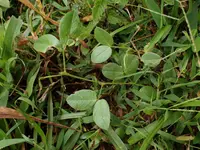
The leaflets show a clear net-like (reticulate) pattern of veins, which inspired the species name reticulata and helps in distinguishing it from related Zornia species.

Ground-hugging growth

It typically forms a low, spreading herb on open, disturbed sites and savannas, allowing it to tolerate strong sun and periodic trampling by grazing animals.

FAQs about neto hoja zarzabacoa de dos hojas

This species spreads modestly by seed and short stems, forming low patches rather than large, invasive mats. In managed beds it is usually easy to control by light hand weeding and removing unwanted seedlings before they flower.

Grow Healthy Plants with Botan Care

Keep your plants happy and healthy with plant identification, disease detection, and easy care guidance.

Botan plant care app — identify plants on mobile

Explore More Plants