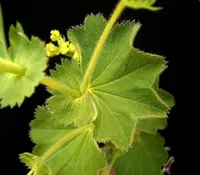
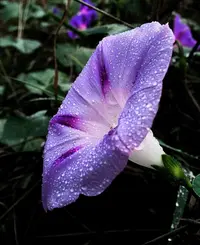
graceful pouzolzsbush Care (Pouzolzia zeylanica)

Also known as: Ceylon Pouzolzia, Pouzolz's Bush, Mist Vine
graceful pouzolzsbush

About graceful pouzolzsbush

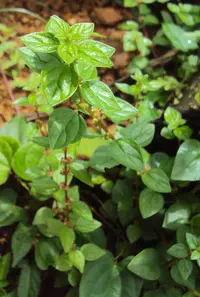
Graceful pouzolzsbush, Pouzolzia zeylanica, is a small, soft-stemmed perennial often grown as a groundcover or low understory plant. It forms spreading mats of slender, branching stems with small, simple green leaves.

In nature it occurs across tropical Asia and parts of Africa, usually in warm, humid lowland habitats, field margins, and lightly shaded woodland edges. It tends to be resilient, with a fast growth rate and a forgiving response to occasional neglect, which makes it relatively easy to manage once established.

This species prefers bright, filtered light, consistent moisture, and a loose, well-drained soil, which are key points when learning how to care for graceful pouzolzsbush.

Main Plant Requirements

Care Difficulty

Moderate Care

Light Preference

Partial Shade

Water Requirements

Keep Soil Moist

Temperature Preference

Tropical / Frost Sensitive

Hardiness Zone

10–12

Soil Texture

Loamy, Silty, Organic-rich

Soil pH

Acidic (5.5–6.5), Slightly acidic (6.5–7.0)

Soil Drainage

Moist but well-drained

Fertilization

Minimal (feed rarely)

Get Personalized Care Plan

Scan your plant to receive care tips personalized for your specific plant

Available on iOS and Android

How to Care for the graceful pouzolzsbush

Pouzolzia zeylanica prefers bright, gentle light similar to a forest edge or lightly shaded garden spot.

  • Provide 3–5 hours of soft morning sun with bright dappled or filtered light the rest of the day; avoid harsh midday sun to prevent leaf scorch.
  • Plant in partial shade where it receives broken light under taller plants or trees; graceful pouzolzsbush tolerates fairly low light but grows denser with brighter exposure.
  • In hot summers, shift exposure to more shade or filtered light; in cooler months, allow more direct morning sun to maintain compact, leafy growth.

This species prefers consistently slightly moist soil but reacts poorly to waterlogged conditions.

  • Water when the top 2–3 cm of soil feels dry, allowing deeper soil to stay slightly damp; use watering that soaks the root zone rather than frequent light splashes.
  • Ensure soil drains freely with added organic matter; if water pools on the surface for more than a few minutes, drainage is inadequate for healthy Pouzolzia zeylanica.
  • Reduce watering in cool seasons when growth slows, watching for limp, curling leaves as a sign of thirst and yellowing, mushy stems as a sign of overwatering.

This plant thrives in warm, frost-free conditions similar to a humid subtropical garden.

  • Aim for 70–86°F (21–30°C) for active growth; it still performs reasonably at 65–90°F (18–32°C) if soil moisture and shade are managed well.
  • Protect from cold; growth slows below 60°F (16°C), and prolonged exposure under 50°F (10°C) can cause leaf drop and root stress.
  • Avoid frost entirely; brief light frost can kill top growth, while extreme heat above 95°F (35°C) requires extra shade and soil moisture to prevent wilting.

This species prefers moderate humidity and reacts if air stays very dry for long periods.

  • Aim for 50–70% humidity, as very dry indoor air below 40% can cause leaf edges to crisp.
  • Pouzolzia zeylanica generally tolerates short dry spells, but prolonged low humidity slows growth and increases leaf drop.
  • Use a pebble tray, grouped plants, or a small room humidifier to raise humidity and reduce stress on graceful pouzolzsbush.

This plant grows best in loose, moist, well-aerated soil that drains freely but never stays waterlogged.

  • Use a loamy mix of roughly 50% peat or coco coir, 30% compost, and 20% perlite or coarse sand for structure and drainage.
  • Keep pH slightly acidic to neutral, around 6.0–7.0, which supports nutrient uptake and steady growth.
  • Add coarse materials like perlite or pumice to improve aeration so fine roots receive enough oxygen and resist rot.
  • Avoid dense clay, compacted mixes, or pots that hold standing water, as these conditions quickly damage Pouzolzia zeylanica roots.

This species is suitable for container growing when the pot is chosen to support its spreading root system and moisture needs.

  • Select a wide, moderately deep pot that allows lateral root spread rather than a very tall, narrow container.
  • Use a pot material like unglazed terracotta if the site is humid, or glazed/plastic where evaporation is high, to balance moisture loss.
  • Ensure drainage holes remain clear and elevate the pot slightly so excess water leaves quickly instead of pooling under the base.

Pouzolzia zeylanica grows in fairly lean soils, but light feeding improves vigor, especially in containers when caring for graceful pouzolzsbush.

  • Use a balanced liquid fertilizer (for example 10-10-10) at 1/4–1/2 strength every 4–6 weeks in spring and summer.
  • In garden beds, incorporate a thin layer of mature compost around the root zone once per year.
  • For pots, a small amount of slow-release balanced granules at the start of the growing season works well.
  • Stop feeding in fall and winter to avoid weak, off-season growth.

Pouzolzia zeylanica responds well to light, targeted pruning to maintain a compact, healthy form.

  • Best time for pruning is late winter to early spring, before strong new growth begins.
  • Remove dead, diseased, or damaged stems first, cutting back to healthy tissue with clean, sharp scissors or pruners.
  • Thin out crowded or crossing stems to improve air flow and light penetration, encouraging denser growth.
  • Lightly tip back long shoots to control height and shape without stripping too much foliage.

This species handles both container growing and transplanting in the ground if root disturbance is kept gentle.

  • Look for roots circling the pot, pushing through drainage holes, or noticeably slowed growth as signals to repot, usually every 2–3 years.
  • Plan repotting or transplanting for spring, when Pouzolzia zeylanica is entering active growth and recovers fastest.
  • Choose a pot 2–5 cm wider or a garden spot with loose, well-drained soil, and keep the root ball at the same depth.
  • Handle roots carefully, water thoroughly after planting, and keep soil evenly moist for 1–2 weeks to reduce transplant shock.

This plant is commonly multiplied by stem cuttings and sometimes by seed under warm, stable conditions.

  • Take 8–12 cm softwood or semi-ripe cuttings in late spring or summer, including 2–3 nodes per piece.
  • Remove lower leaves, dip the base in rooting hormone if available, and place in a moist, free-draining mix.
  • Maintain high humidity and warmth around 70–80°F with bright, indirect light until roots form.
  • Sow fresh seeds on the surface of a fine, moist seed mix and keep lightly covered and consistently warm for germination.

In mild to warm climates this species needs minimal winter attention, but it is sensitive to hard frost.

  • In areas with light frosts, add a 3–5 cm mulch layer around the root zone to moderate soil temperature.
  • For container plants, move pots indoors or into a bright, frost-free space when temperatures near 40°F.
  • Avoid heavy pruning late in the season so stems mature before cold weather and are less likely to be damaged.

Care Tips

Regular tip pinching

Pinch back 1–2 cm of the youngest shoot tips every few weeks to keep growth bushy and prevent the stems from becoming weak and stretched.

Low edging training

Guide the flexible stems along the surface of the pot or bed edge and secure them lightly with soft ties to create a dense groundcover or edging rather than tall, floppy growth.

Targeted thinning cuts

Remove a few of the oldest, most crowded stems at the base every 2–3 months to improve air flow through the clump and reduce the risk of fungal spotting on inner leaves.

Moisture buffer mulching

Apply a 1–2 cm layer of fine bark or coconut husk mulch around the base, keeping it slightly away from stems, to stabilize moisture and keep the shallow roots from drying out too quickly.

Soft pest washing

If aphids or spider mites appear, rinse foliage gently with a handheld sprayer or shower head in the morning, repeating every few days, which is often enough when caring for graceful pouzolzsbush in mild indoor or patio conditions.

Common Pests and Diseases

Spider mites

This pest feeds on tender undersides of leaves, causing pale stippling, fine webbing, and gradual yellowing on stressed plants in warm, dry conditions.

Solution

Rinse foliage thoroughly with a strong but gentle stream of water, focusing on leaf undersides, then repeat every few days; increase humidity around plants and, if needed, apply insecticidal soap or neem oil, making sure to cover all leaf surfaces.

Leaf spot

This disease causes small water-soaked lesions that turn brown with yellow halos on older leaves, especially in crowded or persistently wet stands.

Solution

Remove and discard affected leaves, avoid overhead watering, thin or prune plants for better airflow, and keep foliage dry; in recurrent cases in outdoor plantings, a copper-based fungicide can be used according to label directions.

Aphids

These insects cluster on young stems and leaf undersides, sucking sap and causing curling, distortion, and sticky honeydew on the foliage.

Solution

Dislodge colonies by spraying plants with water, then treat remaining insects with insecticidal soap or neem oil, repeating weekly until populations drop; control nearby ant activity, which often protects aphids and allows reinfestation.

Mealybugs

This pest appears as white cottony clusters in leaf axils and on stems, weakening plants through sap loss and leaving sticky honeydew that can support sooty mold growth.

Solution

Dab visible insects with cotton swabs dipped in isopropyl alcohol, then wash the plant and follow with repeated treatments of insecticidal soap on all plant surfaces; isolate heavily infested plants and discard badly affected stems if necessary.

Interesting Facts

Shade-tolerant forest herb

This species commonly grows as a low herb on shaded forest floors, paths, and plantation understories in tropical Asia, showing strong adaptation to low light and disturbed ground.

Hooked leaf hairs

Its leaves and stems bear tiny stiff or hooked hairs that can catch on fabric or skin, which helps the plant cling lightly to nearby vegetation for support.

Pioneer in disturbed sites

It often appears quickly on disturbed soils such as roadsides, field margins, and recently cleared land, acting as a pioneer species that helps cover and stabilize exposed ground.

FAQs about graceful pouzolzsbush

Growth is usually moderately fast under warm, moist conditions, with stems extending several tens of centimeters per season. Limited light, dry soil, or nutrient-poor substrates slow it down. Regular pruning helps manage size but slightly reduces visible growth rate.

Grow Healthy Plants with Botan Care

Keep your plants happy and healthy with plant identification, disease detection, and easy care guidance.

Botan plant care app — identify plants on mobile

Explore More Plants