tall morning-glory Care (Ipomoea purpurea)

Also known as: common morning-glory, Annual Morning Glory
tall morning-glory

About tall morning-glory

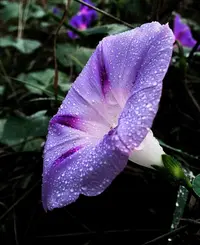
Tall morning-glory (Ipomoea purpurea) is a fast-growing annual vine known for its climbing habit and funnel-shaped flowers that open in the morning. It often twines over fences, trellises, or other supports, creating a seasonal curtain of foliage and color.

This species likely originated in tropical regions of the Americas but is now naturalized in many warm and temperate areas. It grows easily in sunny, well-drained spots and can self-seed, which makes it vigorous but sometimes a bit weedy in favorable conditions.

Understanding how to care for tall morning-glory mainly involves giving it enough sun, moderate moisture, and something to climb, which makes it manageable for most beginner gardeners.

Main Plant Requirements

Care Difficulty

Easy Care

Light Preference

Full Sun

Water Requirements

Moderate Water

Temperature Preference

Tropical / Frost Sensitive

Hardiness Zone

2–11

Soil Texture

Sandy, Loamy, Organic-rich

Soil pH

Acidic (5.5–6.5), Slightly acidic (6.5–7.0)

Soil Drainage

Well-drained

Fertilization

Light (every 4–6 weeks)

Get Personalized Care Plan

Scan your plant to receive care tips personalized for your specific plant

Available on iOS and Android

How to Care for the tall morning-glory

Ipomoea purpurea needs strong light to flower heavily and grow sturdy vines.

  • Provide 6–8 hours of direct sun daily; morning sun with light afternoon shade is ideal, especially in hot climates.
  • Plant tall morning-glory where it gets at least 4 hours of direct morning sun if full-day exposure is not possible, as it tolerates only light partial shade.
  • Watch for pale, weak growth and few blooms in low light, and for leaf scorch in intense afternoon sun; add light shade cloth in midsummer if needed.

Ipomoea purpurea prefers evenly moist, well-drained soil rather than constant wetness.

  • Water when the top 3–5 cm of soil feels dry, using a deep soak that moistens the root zone instead of frequent shallow sprinkling.
  • Ensure soil drains freely; standing water, sour smell, or yellowing, soft leaves indicate overwatering and risk of root rot.
  • In hot, dry weather, expect to water more often, while in cooler or rainy periods, extend the interval and watch for wilting or crisp leaf edges as signs of underwatering.

Stable warmth is essential for strong growth and flowering in this annual vine.

  • Aim for 70–85°F (21–29°C) during the day and above 60°F (16°C) at night for best growth and abundant blooms.
  • Avoid exposing plants to temperatures below 50°F (10°C); frost at 32°F (0°C) or lower will kill foliage and stems.
  • In heat waves above 95°F (35°C), flowering may slow and leaves can scorch, so provide afternoon shade and consistent soil moisture through the hottest weeks.

Ipomoea purpurea tolerates a wide humidity range and usually does not need special humidity management outdoors.

  • Prefers 40–60% humidity but grows reliably in drier air in most home gardens.
  • Shows humidity stress through limp, curling leaves and faster wilting in hot, windy conditions rather than from indoor dry air.
  • Increase effective humidity by mulching the soil surface and grouping plants so foliage shades the root zone.

Soil should be loose, well-drained, and moderately fertile to support vigorous vines and flowering.

  • Use a loamy or sandy loam base with 20–30% compost to provide nutrients without becoming heavy.
  • Ensure sharp drainage by blending in coarse sand or perlite, especially for container or compacted garden sites.
  • Aim for slightly acidic to neutral pH around 6.0–7.0 to keep nutrients available and growth balanced.
  • Avoid dense clay, waterlogged spots, or peat-heavy mixes that stay wet, which can cause root rot and poor aeration.

This species is well suited to container growing when the pot and support are chosen for its climbing habit.

  • Select a deep container of at least 25–30 cm to allow its taproot and spreading feeder roots to anchor securely.
  • Use a heavy or weighted pot if the vine climbs a tall trellis so wind does not tip the container.
  • Leave a 3–5 cm gap below the rim to make thorough watering easier without overflow on patios or balconies.

Ipomoea purpurea responds well to light feeding during active growth but does not need heavy fertilization.

  • Use a balanced liquid fertilizer (for example 10-10-10) at 1/2 strength every 3–4 weeks in spring and summer for caring for tall morning-glory.
  • Apply a thin layer of compost around the base in late spring to support flowering without overfeeding.
  • Avoid high-nitrogen products, which encourage leaves over blooms; aim for balanced or slightly higher phosphorus.
  • Stop feeding in fall and winter when growth slows, especially in cool or low-light conditions.

Pruning helps keep Ipomoea purpurea vines manageable and encourages better flowering.

  • Use clean hand pruners or sharp scissors to remove dead, diseased, or storm-damaged stems whenever noticed.
  • In late spring or early summer, thin out crowded vines to improve airflow and light penetration along the trellis or support.
  • Pinch or shorten excessively long shoots to control size and direct growth toward the support structure.
  • Cut back spent flowering stems to tidy the plant and encourage new flowering growth on younger vines.

This annual vine is usually direct-sown outdoors, so transplanting young plants matters more than repotting mature ones.

  • Transplant seedlings once they have 2–3 true leaves and roots just fill but do not circle the starter cell or pot.
  • Move plants outdoors in late spring after frost risk passes, choosing a sunny site with well-drained soil and sturdy support.
  • Handle the root ball gently, disturbing roots as little as possible; plant at the same depth and water thoroughly to settle soil.
  • Since plants complete their life cycle in one season, start fresh each year rather than planning on long-term container repotting.

Ipomoea purpurea is most commonly propagated from seed, which germinates quickly in warm conditions.

  • Sow seeds in late spring after frost, either in small pots indoors 3–4 weeks before planting out or directly in the ground.
  • Nick or lightly scarify the seed coat and soak seeds for 12–24 hours to speed and even out germination.
  • Provide warmth of 68–75°F and bright light; keep the substrate just moist, not waterlogged, until seedlings emerge.
  • Space or thin seedlings to prevent crowding, then harden off gradually before planting into their final outdoor position.

In most climates this vine behaves as a frost-tender annual, so winter care focuses on cleanup rather than long-term protection.

  • Once hard frost blackens foliage, cut vines down and remove spent growth to reduce self-seeding and overwintering pests.
  • In mild regions where plants may reseed, leave some seed heads if natural regeneration is acceptable.
  • Container plants kept for seed collection can be moved under cover to dry pods, then composted after seeds are stored.

Care Tips

Early trellis setup

Install a sturdy trellis, netting, or wires before seedlings reach 10–15 cm so the vines can begin twining immediately and do not tangle on the ground.

Single-stem selection

When plants are 15–20 cm tall, gently remove weaker side shoots and train 1–3 main vines per support to reduce congestion, improve airflow, and produce more uniform flowering.

Controlled self-seeding

If self-seeding is welcome, leave some spent flowers to form pods, but collect and remove excess seed heads before they shatter to prevent the vines from becoming weedy in following seasons.

Seasonal cutback management

At the end of the season, cut vines at the base, let the stems dry on the support, then remove and dispose of them to reduce overwintering pests and diseases around the site.

Targeted pest scouting

Inspect the undersides of leaves and tender shoot tips weekly for aphids and leaf-chewing caterpillars, and hose off or hand-pick small infestations early, which is one of the most effective steps in caring for tall morning-glory in home gardens.

Common Pests and Diseases

Leafminers

This pest tunnels inside the leaves, creating winding, pale trails that distort the foliage and reduce photosynthesis.

Solution

Remove and dispose of leaves with fresh mines to reduce larvae, then monitor new growth regularly; if damage continues, use a targeted insecticide containing spinosad, applied according to label directions and timed to young larvae on new leaves.

Spider mites

These insects feed on leaf undersides, causing fine stippling, bronzing, and sometimes delicate webbing during hot, dry weather.

Solution

Rinse vines thoroughly with a strong but gentle stream of water, focusing on leaf undersides, then maintain slightly higher humidity and repeat washing weekly; if populations stay high, apply horticultural oil or insecticidal soap in the evening to avoid leaf burn.

Rust

This disease produces small, orange-brown pustules on leaf undersides and yellow spots above, leading to premature leaf drop on stressed vines.

Solution

Remove and destroy affected leaves, avoid overhead watering, and increase spacing or trellising to improve airflow; in severe, recurring cases, use a labeled copper or sulfur fungicide early in the season as part of broader Ipomoea purpurea plant care.

Fusarium wilt

This disease causes gradual yellowing, wilting, and stunting of individual vines, often starting on one side of the plant while leaves remain attached but limp.

Solution

Promptly remove and discard severely affected vines and avoid replanting morning-glory in the same spot for several years; improve drainage and avoid overwatering, and choose resistant or disease-tolerant seed lines when available.

Japanese beetles

These insects skeletonize foliage by eating the tissue between veins and may also chew on flowers, causing rapid and conspicuous damage in midsummer.

Solution

Hand-pick beetles in early morning into soapy water and remove nearby favored host plants if practical; for heavy infestations on valued plantings, protect vines with light row covers during peak beetle activity, removing covers when vines need pollination or support adjustments.

Interesting Facts

Self-incompatibility system

This species has a strong self-incompatibility mechanism, so a flower’s own pollen usually cannot fertilize it, which promotes cross-pollination and maintains genetic diversity in wild and naturalized populations.

Early morning anthesis

The flowers typically open shortly before or around sunrise and begin to fade by midday, timing their bloom to coincide with the peak activity of pollinators such as bees and some butterflies.

Rapid climbing growth

As an annual vine, it can extend several meters in a single growing season, using twining stems that coil around supports in response to touch, a movement known as thigmotropism.

Botan icon

Did you know?

This species has become a model organism in evolutionary biology and plant genetics, used in research on flower color variation, mating-system evolution, and the genetic basis of adaptation in natural plant populations.

FAQs about tall morning-glory

This vine self-seeds heavily and can spread quickly, especially in mild climates and disturbed soils. Remove spent seed pods, pull unwanted seedlings early, and avoid planting near natural areas where it may become problematic.

Grow Healthy Plants with Botan Care

Keep your plants happy and healthy with plant identification, disease detection, and easy care guidance.

Botan plant care app — identify plants on mobile

Explore More Plants