balloon vine Care (Cardiospermum halicacabum)

Also known as: Lesser Balloon Vine, Love-In-A-Puff, honeymoon vine
balloon vine

About balloon vine

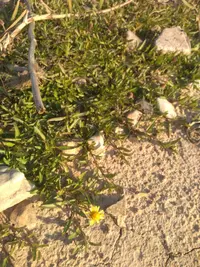
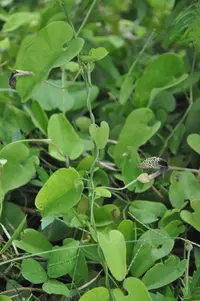
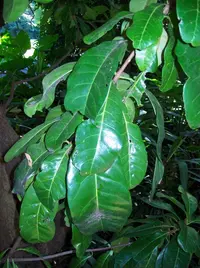
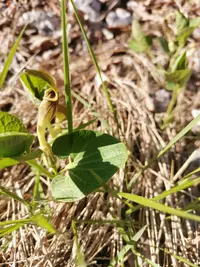
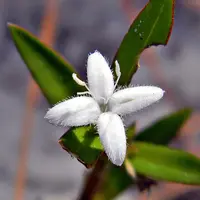
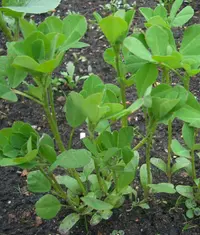
Balloon vine, Cardiospermum halicacabum, is a fast-growing, twining annual vine known for its papery, inflated seed pods that resemble small balloons. It produces delicate white flowers and finely divided, light green leaves, giving it a soft, airy look on trellises or fences.

This species is native to tropical and subtropical regions, but can be grown in warm temperate climates where frost is limited. It is generally easy to grow if it receives enough sun, warmth, and well-drained soil.

Gardeners who want to learn how to care for balloon vine should note that it grows quickly and can self-seed, so it may need some management to prevent unwanted spread.

Main Plant Requirements

Care Difficulty

Moderate Care

Light Preference

Full Sun

Water Requirements

Moderate Water

Temperature Preference

Tropical / Frost Sensitive

Hardiness Zone

9–11

Soil Texture

Sandy, Loamy, Organic-rich

Soil pH

Acidic (5.5–6.5), Slightly acidic (6.5–7.0)

Soil Drainage

Well-drained

Fertilization

Light (every 4–6 weeks)

Get Personalized Care Plan

Scan your plant to receive care tips personalized for your specific plant

Available on iOS and Android

How to Care for the balloon vine

This fast-growing climber needs bright, warm conditions to flower and fruit well.

  • Provide 6–8 hours of sun daily, with morning sun and light afternoon shade ideal, especially in hotter regions.
  • Plant balloon vine where it receives full sun to light partial shade; dense shade leads to weak, spindly growth and poor seed pod production.
  • In summer, protect from intense mid-afternoon sun in very hot climates to reduce leaf scorch, using neighboring plants or light screening if needed.

Cardiospermum halicacabum prefers evenly moist but not saturated soil during active growth.

  • Water when the top 3–5 cm of soil feels dry, allowing deeper soil to stay slightly moist, especially during flowering and fruiting.
  • Use well-drained soil; persistent puddling, yellowing lower leaves, or soft stems suggest overwatering and possible root rot risk.
  • In hot, dry weather, check moisture more often; in cooler seasons, extend the interval between waterings if growth slows and soil dries more slowly.

This vine thrives in warm, frost-free conditions and slows or dies back in cold weather.

  • Optimal growth occurs around 70–85°F (21–29°C); warmer days with mild nights support rapid climbing and flowering.
  • Growth declines below about 60°F (16°C), and plants are usually killed by frost near 32°F (0°C), so treat it as a warm-season annual in cooler climates.
  • The vine tolerates short heat spikes up to about 95°F (35°C) if soil moisture is maintained, but prolonged extreme heat with dry soil can cause leaf scorch and flower drop.

This species handles typical indoor humidity but grows best with slightly moist air.

  • Aim for 40–60% humidity; it generally tolerates brief dips in drier air without damage.
  • Crisping leaf edges, pale new growth, and increased spider mite activity indicate humidity stress in balloon vine.
  • Increase humidity by grouping plants, placing the pot on a pebble tray with water below the base, or using a small room humidifier nearby.

Cardiospermum halicacabum prefers light, well-aerated soil that drains quickly yet holds some moisture.

  • Use a loose mix such as 50–60% all-purpose potting mix with 20–30% coarse sand and 20% perlite to keep the root zone airy.
  • Aim for slightly acidic to neutral pH around 6.0–7.0, which supports nutrient availability and healthy root function.
  • Blend in a modest amount of fine compost for organic matter, but avoid heavy clay, compacted soil, or peat-only mixes that stay soggy.
  • Improve drainage by raising containers off solid surfaces and avoiding saucers that keep the base of the pot sitting in water.

This vine grows well in containers when given adequate support and root space.

  • Choose a deep, relatively heavy pot so the vine and its support structure do not tip over in wind or with vigorous growth.
  • Provide a trellis or obelisk firmly anchored in the container so climbing stems can attach without pulling the pot off balance.
  • Select a pot material that matches your climate; terracotta dries faster for wet regions, while plastic retains moisture longer in hot, dry areas.

Cardiospermum halicacabum grows fast and benefits from light, consistent feeding during the warm growing season.

  • Use a balanced liquid fertilizer (for example 10-10-10) diluted to 1/2 strength every 3–4 weeks in spring and summer.
  • Alternatively, mix a small amount of slow-release fertilizer or finished compost into the topsoil at the start of the season.
  • Skip feeding in late fall and winter, when growth slows or stops, to avoid weak, stretched vines.
  • Always water before applying fertilizer to reduce root burn and distribute nutrients evenly.

Pruning Cardiospermum halicacabum manages vigor, encourages flowering, and keeps the vine within bounds.

  • Use clean, sharp hand pruners to cut back long, straggly stems in late winter or early spring before strong new growth starts.
  • Remove dead, damaged, or crossing shoots throughout the season to improve air flow and reduce disease risk.
  • Shorten overly vigorous stems by up to one-third to shape the plant and promote more side shoots and flower clusters.
  • After flowering, lightly thin crowded growth on trellises or fences so seed pods remain visible and well spaced.

This species is usually treated as an annual vine, so transplanting seedlings matters more than long-term repotting cycles.

  • Transplant outdoors in late spring after frost, once seedlings have 2–3 true leaves and soil is warm.
  • Shift container plants only when roots circle the pot, growth stalls, or watering frequency becomes very high.
  • Move into a container 2–5 cm wider, using well-drained soil to limit waterlogging and root stress.
  • Water thoroughly after transplanting, then keep soil evenly moist and shade lightly for a few days to reduce transplant shock.

Cardiospermum halicacabum is most commonly propagated from seed, which germinates reliably in warm conditions.

  • Sow fresh seeds in spring, indoors 4–6 weeks before the last frost or directly outside once soil warms.
  • Scarify seeds lightly by nicking the coat or rubbing on sandpaper, then soak for 12–24 hours to speed germination.
  • Plant seeds 0.5–1 cm deep in a light, well-drained mix kept at 70–80°F and moderately moist, not waterlogged.
  • Provide bright light after sprouting and good air circulation so seedlings grow sturdy and are ready for planting out.

In most climates this vine behaves as a frost-sensitive annual and does not need elaborate winter care outdoors.

  • Light frost kills top growth; in cold regions simply allow plants to die back and remove dead vines to reduce reseeding.
  • In very mild, frost-free areas, mulch lightly around the base to buffer root temperature and conserve soil moisture.
  • Container plants grown as seasonal accents can be discarded after frost or overwintered indoors in bright, cool, frost-free conditions.

Care Tips

Early trellis training

Install a sturdy trellis or wire mesh when seedlings are 10–15 cm tall and loosely guide new vines along it every few days to prevent tangling and make later pruning and harvesting easier.

Fruit set management

Pinch off a portion of early flower clusters on young plants so energy goes into stronger vine and root development, then allow later flushes to set more pods for a heavier overall crop.

Volunteer seed control

Collect the papery seed pods as they dry and remove any fallen pods from the soil surface to limit self-seeding and prevent this fast grower from becoming weedy in mild climates.

Root zone mulching

Apply a 3–5 cm layer of loose organic mulch around, but not touching, the stems to keep the shallow roots cooler, reduce evaporation, and minimize weed competition when growing balloon vine.

Targeted pest monitoring

Inspect the undersides of leaves and young shoots weekly for aphids and spider mites, and if found, wash them off with a firm stream of water or treat early with insecticidal soap to avoid distorted growth.

Common Pests and Diseases

Aphids

This pest often clusters on young shoots, tendrils, and balloon-like seed pods, sucking sap and causing distortion, sticky honeydew, and sooty mold on leaves.

Solution

Spray plants with a strong stream of water to dislodge colonies, then treat remaining insects with insecticidal soap or a ready-to-use neem oil product, covering leaf undersides and tender growth. Encourage natural predators like lady beetles outdoors and avoid excess nitrogen fertilizer, which promotes soft, aphid-prone growth.

Leaf miners

These insects create pale, winding tunnels inside the leaves, which can lead to cosmetic damage and early leaf drop on vigorous vines.

Solution

Remove and destroy mined leaves as soon as trails are noticed to interrupt the life cycle. For heavier infestations, use a systemic insecticide labeled for leaf miners on ornamental vines and maintain good nutrition so the plant can replace damaged foliage quickly.

Spider mites

This pest becomes more frequent in hot, dry conditions, causing fine stippling, yellowing, and light webbing on the undersides of the leaves.

Solution

Rinse foliage thoroughly with water, especially the undersides, and increase humidity around the plant where possible, which is especially important for balloon vine indoor care. If mites persist, apply insecticidal soap or horticultural oil at 7–10 day intervals, ensuring full coverage and avoiding use during intense midday sun.

Powdery mildew

This disease appears as white, powdery patches on upper leaf surfaces, which can lead to yellowing and reduced vigor when vines grow dense or shaded.

Solution

Improve air circulation by thinning crowded stems and avoiding overhead watering, then remove and dispose of heavily infected leaves. Apply a labeled fungicide such as a sulfur or potassium bicarbonate product at the first sign of infection, repeating as directed during warm, humid periods.

Leaf spot

Symptoms include small brown or dark purple spots on leaves that may merge into larger blotches, sometimes leading to premature leaf drop on stressed vines.

Solution

Prune out and discard affected leaves and any heavily infected stems, keeping tools clean between cuts. Reduce leaf wetness by watering at the base, then protect new growth with a copper-based or other labeled ornamental fungicide if spotting continues during wet weather.

Interesting Facts

Floating heart seeds

The seeds have a white heart-shaped marking on a dark background, which inspired both the common name balloon vine and the Latin name Cardiospermum, meaning heart seed.

Inflated capsule fruits

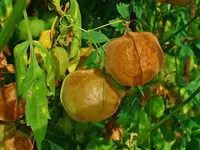
Its fruits are thin-walled, papery capsules that inflate like small green balloons, each usually containing three seeds in separate compartments.

Opportunistic global colonizer

Native to tropical regions of the Americas, this species has naturalized across many warm parts of Africa, Asia, and Oceania, where it can behave as an invasive climber in disturbed habitats.

Botan icon

Did you know?

In parts of India and other tropical regions, this vine is sometimes planted along fences or trellises both as a quick green screen and for its distinctive lantern-like fruits, which are used in small quantities for traditional craft and decorative purposes.

FAQs about balloon vine

This species self-seeds heavily and can spread quickly in warm climates, sometimes behaving invasively and smothering nearby plants. Regularly remove unwanted seedlings and spent seed pods to limit spread and keep growth within the desired area.

Grow Healthy Plants with Botan Care

Keep your plants happy and healthy with plant identification, disease detection, and easy care guidance.

Botan plant care app — identify plants on mobile

Explore More Plants