Aristolochia taliscana Care

Aristolochia taliscana

About Aristolochia taliscana

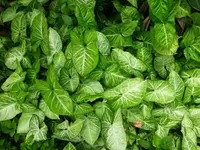
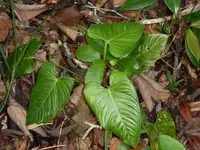
Aristolochia taliscana is a twining vine from tropical regions of Mexico and Central America, often grown for its unusual, pipe-shaped flowers and lush foliage. It climbs over supports and can form a dense green cover in warm, frost-free climates.

The plant prefers consistent moisture, well-drained soil, and bright but filtered light. It can be somewhat demanding outside its native climate, as it dislikes cold and prolonged dryness.

Gardeners who want to care for Aristolochia taliscana should plan for a sturdy support, sheltered conditions, and enough humidity to keep the foliage healthy and vigorous.

Main Plant Requirements

Care Difficulty

Moderate Care

Light Preference

Partial Shade

Water Requirements

Regular Water

Temperature Preference

Tropical / Frost Sensitive

Hardiness Zone

10–11

Soil Texture

Loamy, Sandy, Organic-rich

Soil pH

Acidic (5.5–6.5), Slightly acidic (6.5–7.0)

Soil Drainage

Moist but well-drained

Fertilization

Light (every 4–6 weeks)

Get Personalized Care Plan

Scan your plant to receive care tips personalized for your specific plant

Available on iOS and Android

How to Care for the Aristolochia taliscana

This twining vine prefers bright, softened light similar to a light woodland edge.

  • Provide 4–6 hours of bright, indirect light or gentle morning sun; protect from harsh midday and late-afternoon sun that can scorch leaves.
  • Tolerates partial shade, especially in hot climates, but flowering may decrease if it receives less than 3–4 hours of bright light.
  • In summer, offer dappled or filtered sun; in cooler seasons allow more direct morning sun while still avoiding intense afternoon exposure for Aristolochia taliscana.

This species prefers consistently moist but not waterlogged soil.

  • Water when the top 2–3 cm of soil feel slightly dry, aiming for evenly moist conditions during active growth without puddling around the roots.
  • Use soil with good drainage; in heavy ground, amend with compost and grit so excess water moves away, reducing root rot risk.
  • In cooler months, let the top 3–4 cm dry before watering again; watch for wilting or crisp edges from underwatering and yellowing, soft leaves from overwatering in Aristolochia taliscana.

This vine grows best in warm, frost-free conditions with only moderate temperature swings.

  • Ideal growth occurs around 65–80°F (18–27°C), where stems extend quickly and foliage stays lush through the growing season.
  • Avoid temperatures below 40°F (4°C); light frost can damage young shoots, and repeated freezes may kill the plant to the ground or entirely.
  • Tolerates short heat spells up to about 90–95°F (32–35°C) if soil moisture is steady and roots are mulched to keep them cooler in summer.

This vine prefers moderate to high humidity but adapts to many home conditions.

  • Aim for 50–70% humidity to keep foliage lush and reduce leaf edge browning.
  • It tolerates short dry spells in air down to about 35–40%, but growth may slow and leaves may curl slightly.
  • Increase humidity with a nearby humidifier, grouped plants, or an occasional pebble tray rather than misting foliage directly.

Aristolochia taliscana grows best in consistently moist, well-aerated, organically enriched soil.

  • Use a loose loam-style mix: 2 parts peat or coco coir, 1 part compost, 1 part perlite or pumice for aeration.
  • Ensure fast drainage; the mix should feel springy, not sticky, and water should drain from the pot within seconds.
  • Target slightly acidic to neutral pH around 6.0–7.0, avoiding strongly alkaline or saline substrates that can limit nutrient uptake.
  • Avoid heavy clay, compacted mixes, or those with high peat but no grit, as these trap water around roots and promote rot.

This species is well suited to container growing when given support for its climbing habit.

  • Choose a deep, heavy container that resists tipping once the vine climbs and adds top weight.
  • Install a trellis or vertical support firmly anchored in the pot so roots are not disturbed later.
  • Use a pot slightly wider than the root mass to balance moisture retention with rapid drainage, preventing a persistently wet core.

This vigorous vine benefits from light feeding but often grows acceptably in fertile garden soil without extra inputs.

  • Use a balanced liquid fertilizer (around 10-10-10 NPK) at 1/2 strength every 4–6 weeks during spring–summer for potted plants.
  • Apply a thin layer of compost around the root zone in spring for in-ground Aristolochia taliscana to support steady growth.
  • Avoid high-nitrogen lawn fertilizers, which can cause weak, overly lush shoots with fewer flowers.
  • Stop feeding in fall and winter when growth slows, resuming only once new shoots appear in spring.

Pruning helps manage size, encourage flowering, and keep this twining vine structurally sound.

  • Carry out main pruning in late winter or very early spring before vigorous new growth begins.
  • Remove dead, damaged, or tangled stems first, then thin crowded growth to improve light and air penetration.
  • Shorten excessively long shoots to maintain the desired framework and support shape on trellises or fences.
  • Use sharp, clean bypass pruners and make cuts just above a healthy bud or side shoot on Aristolochia taliscana.

This vine is usually grown in the ground, but container plants or young specimens may need occasional repotting or careful transplanting.

  • Transplant in spring once frost risk has passed, choosing a site with sturdy support and well-drained, fertile soil.
  • Look for roots circling the pot, water running straight through, or slowed growth as signs a container plant needs a larger pot.
  • Move up only 1–2 pot sizes, gently loosen circling roots, and plant at the same depth to reduce stress on Aristolochia taliscana.
  • Water thoroughly after transplanting, keep soil evenly moist, and shade temporarily from intense sun until new growth resumes.

Propagation is possible but somewhat specialized, most often done by seeds or semi-ripe stem cuttings under controlled conditions.

  • Sow fresh seeds in spring in a free-draining seed mix, lightly covering and keeping at 70–75°F with even moisture.
  • Take semi-ripe cuttings in late spring–summer, using non-flowering shoots about 10–15 cm long with 2–3 nodes.
  • Remove lower leaves, dip the cut end in rooting hormone, and place in a humid, bright, indirect light environment.
  • Provide bottom heat if possible and avoid waterlogging, as Aristolochia taliscana can rot before roots form in saturated media.

This vine is moderately frost-sensitive and benefits from basic winter protection in cooler climates.

  • In regions below its hardiness range, grow Aristolochia taliscana in containers and move indoors to a cool, bright, frost-free area.
  • Apply a 5–8 cm mulch layer over the root zone in late fall to buffer temperature swings and conserve soil moisture.
  • Allow top growth to die back in colder zones, then cut back brittle stems in late winter once the risk of severe freezes has passed.

Care Tips

Provide sturdy support

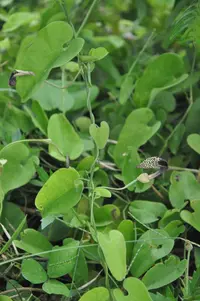
Install a robust trellis, wire mesh, or arbor at planting time, as this vigorous vine produces heavy stems and flowers that need a strong, permanent structure to climb safely.

Train young shoots

Gently tie young, flexible stems to the support with soft ties or garden clips, guiding them horizontally and vertically to create an even, well-covered framework instead of a tangled mass.

Monitor for swallowtail larvae

Inspect foliage regularly for swallowtail butterfly caterpillars and decide in advance whether the planting is for ornamental use or as a host plant, since heavy feeding can defoliate the vine but is normal in wildlife-support plantings.

Manage root spread

In fertile ground, install an underground root barrier or plant in a large, heavy container to limit spread and make long-term maintenance easier when caring for Aristolochia taliscana.

Refresh aged vines

Every few years, remove 1–3 of the oldest, woody stems at the base during the dormant season to stimulate new, vigorous shoots and maintain good flowering and foliage density.

Common Pests and Diseases

Pipevine swallowtail caterpillars

This pest is the larval stage of the pipevine swallowtail butterfly, which can rapidly skeletonize leaves while using the vine as its host plant. Symptoms include clusters of dark caterpillars feeding on new growth and significant foliage loss.

Solution

Hand-pick caterpillars from the vine and relocate them to another non-critical Aristolochia patch if available, since they are important native pollinators. For ornamental vines that must keep full foliage, use physical barriers such as fine mesh netting over prized sections and encourage quick recovery with consistent watering and balanced fertilization rather than resorting to insecticides.

Leaf miners

These insects create pale, winding tunnels inside leaves as larvae feed between the leaf surfaces. Symptoms include distorted foliage and translucent, meandering trails that expand over time.

Solution

Prune and discard affected leaves to remove larvae before they mature, and avoid overhead watering that keeps foliage wet for long periods. Encourage natural predators by maintaining plant diversity nearby, and use a targeted systemic insecticide only when tunneling is widespread and new growth is repeatedly damaged.

Spider mites

These pests thrive in hot, dry conditions and feed on sap, causing stippled, dull foliage and fine webbing along stems and leaf undersides. Symptoms include slowed growth, yellowing leaves, and a dusty appearance when infestations are heavy.

Solution

Rinse vines thoroughly with a strong but gentle stream of water, focusing on leaf undersides, and repeat every few days to disrupt the mite life cycle. Increase humidity around the plant, remove heavily infested leaves, and if needed use insecticidal soap or horticultural oil, applied in the early morning or late afternoon to avoid leaf burn.

Powdery mildew

This disease appears as white, powdery patches on leaf surfaces, especially in warm conditions with poor air circulation. Symptoms include distorted new growth, yellowing, and premature leaf drop when infection is severe.

Solution

Remove and discard affected leaves to reduce spore levels, and improve airflow by thinning dense stems and avoiding crowding with other plants. Water at soil level rather than over foliage, and if outbreaks persist, apply a sulfur or potassium bicarbonate fungicide labeled for ornamental vines, following all label directions as part of broader Aristolochia taliscana care instructions.

Leaf spot

This disease causes small, water-soaked spots that enlarge into brown or black lesions, sometimes with yellow halos. Symptoms include scattered dead patches on leaves and occasional premature leaf drop, especially in warm, humid weather or after prolonged leaf wetness.

Solution

Prune and dispose of infected leaves, disinfecting pruning tools between cuts, and avoid overhead irrigation that wets foliage late in the day. Improve air circulation around the vine and apply a copper-based or other labeled foliar fungicide only when new spotting continues to appear despite cultural corrections.

Interesting Facts

Specialized fly pollination

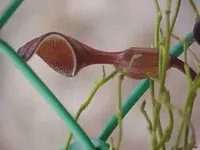
This species has pipe-shaped flowers with a mottled brown and yellow pattern and a constricted tube that temporarily traps small flies, using hairs and scent cues to guide them so that they pick up and deposit pollen before being released.

Host for swallowtail caterpillars

In parts of Mexico and Central America, this vine serves as a larval host plant for certain swallowtail butterflies in the Battus genus, whose caterpillars feed on the leaves and sequester aristolochic acids that make them unpalatable to predators.

Twining tropical liana

A. taliscana is a vigorous, long-lived woody climber that twines around supports, allowing it to reach forest edges and canopy gaps where it can access higher light levels while its roots remain shaded and relatively cool.

Botan icon

Did you know?

Historical records indicate that some traditional uses of Aristolochia taliscana in its native range declined sharply after aristolochic acids from Aristolochia species were linked to kidney damage and cancer risk, leading to strong toxicological concern and regulatory restrictions in many countries.

FAQs about Aristolochia taliscana

This species is a twining climber that wraps its flexible stems around supports rather than spreading as groundcover. Given a trellis, fence, or shrub, it can form a dense vertical screen over time.

Grow Healthy Plants with Botan Care

Keep your plants happy and healthy with plant identification, disease detection, and easy care guidance.

Botan plant care app — identify plants on mobile

Explore More Plants