Provide climbing support
Install a sturdy trellis, netting, or horizontal wires early, then gently tie young vines with soft ties so stems lignify in the right direction and do not kink or break later.

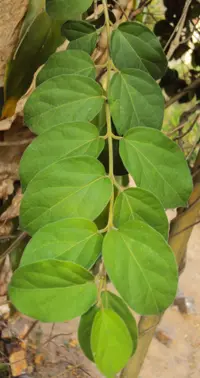
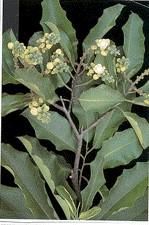
Gymnema sylvestre is a tropical woody climber in the dogbane family, often grown for its medicinal reputation rather than its ornamental value. It produces slender, twining stems with simple green leaves and small, clustered flowers.
This species is native to India and other parts of tropical Asia, where it grows in warm, humid forests and thickets. In cultivation it is moderately demanding, mainly because it prefers stable warmth, consistent moisture, and a support to climb.
For those learning how to care for Gymnema sylvestre, it generally prefers bright, filtered light, evenly moist but well-drained soil, and protection from cold drafts or sudden temperature swings.

Care Difficulty
Moderate Care

Light Preference
Partial Shade

Water Requirements
Moderate Water

Temperature Preference
Tropical / Frost Sensitive

Hardiness Zone
10–12

Soil Texture
Loamy, Sandy, Organic-rich

Soil pH
Acidic (5.5–6.5), Slightly acidic (6.5–7.0)

Soil Drainage
Moist but well-drained

Fertilization
Light (every 4–6 weeks)
Scan your plant to receive care tips personalized for your specific plant
Available on iOS and Android
This vine prefers bright, warm conditions with protection from harsh midday sun.
This plant prefers evenly moist, well-drained soil that never stays soggy for long periods.
This species thrives in warm, frost-free conditions typical of tropical and subtropical climates.
This species prefers moderately humid air but adapts if indoor humidity is managed carefully.
This vine grows best in loose, well-drained, organic-rich soil that stays evenly moist but never waterlogged.
This species adapts well to container culture when the pot supports its vining habit and root needs.
This tropical climber benefits from modest feeding in containers, while in-ground plants often manage with fertile soil alone.
Light, periodic pruning keeps this twining vine manageable and encourages leafy, branching growth.
Container-grown plants appreciate occasional repotting to refresh soil and give the root system room to expand.
This species is commonly propagated from semi-ripe stem cuttings or seeds under warm, humid conditions.
This warmth-loving climber is frost sensitive and needs protection in regions with cold winters.

Plant Health Check
Not sure what's wrong with your plant? Check your plant's health inside the app.
Chewing the leaves can temporarily reduce the ability to taste sweetness by blocking sweet taste receptors on the tongue, an effect traced mainly to the saponin compound gymnemic acid studied in sensory science research.
This species is a perennial woody vine native to tropical forests of India and parts of Southeast Asia, where it grows as a twining climber over shrubs and trees rather than as a free‑standing plant.
Its small yellowish flowers produce nectar that attracts mainly small insects such as bees, wasps, and flies, which act as pollinators within its native forest ecosystems.

Gymnema sylvestre belongs to the Apocynaceae family, a group of plants known for complex flower structures and often milky latex, and its floral morphology places it near the milkweeds (subfamily Asclepiadoideae), which share similar specialized pollination traits.
This species is a woody, twining vine. It climbs by wrapping its slender stems around nearby supports rather than using tendrils or aerial roots. Without support, it may scramble along the ground and look untidy.
Keep your plants happy and healthy with plant identification, disease detection, and easy care guidance.