Rosemary Care (Salvia rosmarinus)

Rosemary

About Rosemary

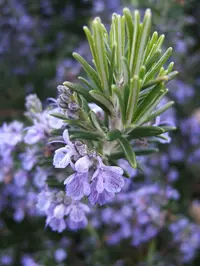
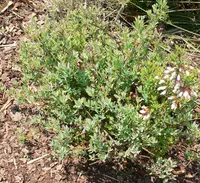
Rosemary, Salvia rosmarinus, is a woody, evergreen herb from the Mediterranean region, naturally found in dry, rocky coastal areas. It forms dense, bushy clumps with narrow, needle-like leaves that are dark green on top and silvery beneath.

The plant is valued for its aromatic foliage and small, pale blue flowers that attract pollinators. It is generally long-lived and can be grown in the ground or in containers.

Rosemary prefers bright light, good air circulation, and well-drained, low to moderately fertile soil. These traits make it fairly forgiving, as long as excess moisture is avoided, and help simplify how to care for Rosemary.

Main Plant Requirements

Care Difficulty

Moderate Care

Light Preference

Full Sun

Water Requirements

Low Water

Temperature Preference

Warm Climate

Hardiness Zone

7–10

Soil Texture

Sandy, Loamy, Rocky

Soil pH

Slightly acidic (6.5–7.0), Slightly alkaline (7.0–7.5)

Soil Drainage

Well-drained

Fertilization

Minimal (feed rarely)

Get Personalized Care Plan

Scan your plant to receive care tips personalized for your specific plant

Available on iOS and Android

How to Care for the Rosemary

This Mediterranean shrub needs strong sun to stay compact, aromatic, and healthy.

  • Provide 6–8 hours of direct sunlight daily; full sun is ideal, especially morning to early afternoon exposure.
  • Tolerates light afternoon shade in very hot climates, but prolonged shade causes leggy growth, weak stems, and fewer leaves on Rosemary.
  • Outdoors, avoid spots shaded by trees or buildings in winter; low winter sun and short days can slow growth but usually do not harm established plants.

This drought-tolerant herb prefers thorough but infrequent watering in sharply draining soil.

  • Water only when the top 3–5 cm of soil are dry; use finger-checks rather than a fixed schedule to guide timing.
  • Ensure very free-draining soil or raised beds so water does not pool around roots, which encourages root rot and yellowing lower leaves.
  • In summer, drying may occur faster; in cool or rainy seasons, watering intervals lengthen and leaves may darken, curl, or crisp at the tips if severely underwatered.

This species prefers mild, dry conditions and does best without temperature extremes.

  • Aim for 60–80°F (16–27°C) for active growth, with good airflow to limit fungal issues in humid regions.
  • Established plants often survive short dips to about 15–20°F (-9 to -6°C) if soil drains well, but repeated hard freezes can kill unprotected roots.
  • In heat above 90°F (32°C), growth may slow; mulch lightly, avoid reflected heat from walls, and ensure soil does not stay waterlogged during hot spells.

This species prefers relatively dry air and does not need elevated humidity.

  • Aim for 30–50% humidity, similar to most heated indoor homes, without using humidifiers.
  • Dry air is usually tolerated; problems arise more from wet foliage than from low humidity.
  • Watch for limp, blackening stems or moldy leaves as signs of excess moisture around foliage, and improve air movement if seen.

This Mediterranean shrub needs lean, fast-draining soil to prevent root problems.

  • Use a sandy or gritty loam with low to moderate organic matter, mimicking rocky, coastal soils.
  • Ensure very sharp drainage; water should pass through the mix in seconds rather than pooling on the surface.
  • Aim for slightly alkaline to neutral pH around 7.0–7.8, avoiding acidic mixes dominated by peat.
  • Combine roughly 50% coarse sand or fine gravel with 30% regular potting mix and 20% perlite to improve aeration and avoid waterlogging for Salvia rosmarinus.

This species is well suited to container growing when drainage and root space are managed carefully.

  • Choose a pot at least as deep as its height so the woody taproot can extend without curling tightly.
  • Use a heavy clay or ceramic pot outdoors to reduce tipping from this woody, often top-heavy shrub.
  • Raise the container slightly on pot feet or bricks so drainage holes never sit directly on a solid surface, allowing rapid runoff of excess water.

This woody herb grows best in lean soil, so use light feeding to support container-grown Rosemary without forcing lush, weak growth.

  • Use a balanced, water-soluble fertilizer (around 10-10-10 or 20-20-20) at 1/4 strength for potted plants in spring and summer.
  • Apply every 4–6 weeks during active growth only; skip feeds if growth is strong in fertile garden soil.
  • Reduce or stop fertilizing in fall and winter when growth slows to avoid salt buildup and root stress.
  • Organic compost or a mild slow-release fertilizer can be mixed sparingly into potting mix at the start of the season.

Targeted pruning keeps Salvia rosmarinus compact, productive, and less woody over time.

  • Best time is late winter to early spring, after the coldest weather but before strong new growth begins.
  • Use clean, sharp pruners to remove dead, damaged, and crossing stems back to healthy wood.
  • Shorten long, leggy shoots by up to 1/3 to maintain a bushy shape and encourage fresh, leafy growth.
  • Avoid cutting into very old, bare wood with no green shoots, as older stems may not resprout well.

Container-grown plants benefit from occasional repotting, while garden-grown Salvia rosmarinus prefers minimal disturbance once established.

  • Check for roots circling the pot base, tight root mass, or slowed growth as signs a larger container is needed.
  • Plan repotting or transplanting in early spring or early fall, avoiding extreme heat or frost periods.
  • Move to a pot only 1–2 in wider, using a free-draining mix and gently loosening outer roots without tearing.
  • Water thoroughly after moving, then keep soil lightly moist and shaded for a few days to reduce transplant shock.

This species is commonly multiplied by cuttings, though seeds and layering are also possible.

  • Take 7–10 cm semi-ripe stem cuttings in late spring to late summer, choosing non-flowering shoots.
  • Strip lower leaves and insert cuttings into a gritty, well-draining mix; optional rooting hormone can speed root formation.
  • Keep cuttings in bright, indirect light at 65–75°F with consistently lightly moist, not wet, substrate.
  • For seeds, provide warmth and light, sow shallowly, and expect slower, more variable germination than with cuttings.

Mature plants are fairly cold tolerant in mild climates but need some winter attention in colder regions.

  • In-ground plants in zones with light frost usually survive if soil drains well and roots do not sit wet.
  • Apply a 5–8 cm mulch layer around the root zone in late fall, keeping mulch away from the woody crown.
  • Move containers indoors or into a frost-free, bright spot when hard frosts or prolonged freezes are forecast.
  • Reduce watering in winter, allowing the top layer of soil to dry, which lowers rot risk in cool conditions.

Care Tips

Encourage Bushy Shape

Pinch out soft shoot tips every 3–4 weeks in spring and early summer to keep plants compact, reduce lodging, and increase the number of usable leafy stems.

Improve Air Circulation

Space plants so mature stems do not touch and thin out the oldest, woody branches from the center to reduce humidity pockets and lower the risk of powdery mildew and fungal dieback.

Root Zone Protection

In regions with wet or cold winters, raise containers on pot feet or bricks and use a coarse mineral mulch around the base to keep the root collar drier and prevent rot.

Harvest For Longevity

Take several small stem harvests through the growing season instead of one heavy cut, always leaving at least 1/3 of the foliage, to maintain vigor and extend the productive life of the plant when growing Rosemary.

Rotate Containers Outdoors

If grown in pots, rotate the container 90° every 1–2 weeks during active growth so all sides receive similar light, which evens out growth and prevents plants from leaning or becoming lopsided.

Common Pests and Diseases

Aphids

These insects cluster on young shoots and flower stems, sucking sap and causing distorted, sticky growth. Symptoms include curling tips, shiny honeydew, and sometimes sooty black mold on the leaves.

Solution

Rinse stems and foliage with a firm stream of water to knock off colonies, then repeat every few days until numbers drop. For heavier infestations, use insecticidal soap or a ready-to-use horticultural oil, applying in the early morning or late evening and improving airflow around the plant to discourage a return while caring for Rosemary in containers or beds.

Spider mites

These pests thrive on rosemary grown in warm, dry conditions, especially indoors, causing fine stippling, dry-looking foliage, and delicate webbing between leaves and stems. Symptoms include dull, gray-green leaves that may eventually brown and drop.

Solution

Increase humidity around the plant and rinse foliage thoroughly, including the undersides of leaves, to remove mites and webs. If the problem persists, apply insecticidal soap or a light horticultural oil at label rates and ensure the plant receives strong light and good airflow, which makes conditions less favorable for mites.

Powdery mildew

This disease appears as white, powdery patches on leaves and young stems, often starting in shaded or crowded sections of the plant. Symptoms include slowed growth and, over time, yellowing and premature leaf drop.

Solution

Improve air circulation by thinning crowded stems and avoid overhead watering so foliage dries quickly. Remove heavily affected shoots and, if needed, apply a sulfur or potassium bicarbonate fungicide labeled for herbs, treating in cool, dry weather and following harvest interval instructions if the leaves are used in cooking.

Downy mildew

This disease develops in cool, humid conditions and causes yellow, blotchy areas on the upper leaf surface with gray or purplish fuzz underneath. Symptoms include progressive leaf drop, starting from the lower parts of the plant and moving upward.

Solution

Remove and discard infected leaves and severely affected stems to reduce the source of spores, and avoid wetting the foliage when watering. Increase spacing and airflow, protect plants from prolonged leaf wetness, and in persistent cases use a phosphonate or copper-based fungicide labeled for culinary herbs, rotating products to reduce resistance risk.

Rosemary leaf beetle

This pest, common in some regions, has adults with metallic striped bodies and larvae that feed on leaves, leaving ragged edges and bare stems. Symptoms include heavy defoliation on the upper parts of the plant and clusters of beetles visible on sunny days.

Solution

Handpick adults and larvae regularly and drop them into soapy water, focusing on warm, bright periods when beetles are most active. For severe infestations, prune and dispose of heavily damaged shoots, encourage natural predators such as birds, and, if needed, use a targeted insecticide labeled for ornamental or herb crops, avoiding treatment when bees are visiting flowers.

Interesting Facts

Mediterranean coastal specialist

This species is native to dry, rocky coastal slopes around the Mediterranean, where it evolved to tolerate intense sun, poor alkaline soils, and salt-laden winds.

Evergreen, oil-rich leaves

Its narrow, needle-like leaves are evergreen and packed with oil glands that produce aromatic essential oils, which help reduce water loss and deter many herbivores and some microbes.

High-nectar pollinator magnet

The blue to violet tubular flowers produce abundant nectar and are especially attractive to bees, which are the primary pollinators in both wild and cultivated settings.

Botan icon

Did you know?

The woody stems of this species can live for many years and gradually become gnarled and trunk-like, so in mild climates older specimens can develop into dense, almost bonsai-like shrubs that reflect the plant’s long history of adaptation to harsh, exposed Mediterranean habitats.

FAQs about Rosemary

Yellowing leaves often result from waterlogged roots, poor drainage, or nutrient imbalance, especially excess fertilizer. Check pot drainage holes, allow the soil to dry between waterings, and avoid heavy feeding or constantly wet conditions to prevent root damage.

Grow Healthy Plants with Botan Care

Keep your plants happy and healthy with plant identification, disease detection, and easy care guidance.

Botan plant care app — identify plants on mobile

Explore More Plants