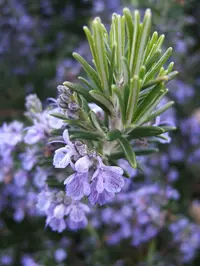




Best Soil for rosemary (Salvia rosmarinus)

Salvia rosmarinus grows best in loose, fast-draining soil that supports healthy roots and prevents excess moisture from lingering.

Soil Texture

Sandy, Loamy, Rocky

Soil pH

Slightly acidic (6.5–7.0), Slightly alkaline (7.0–7.5)

Soil Drainage

Well-drained

Salvia rosmarinus Soil Guide

Native to the Mediterranean region, Salvia rosmarinus grows on dry, open slopes where soil is often sandy, loamy, or rocky. Those conditions explain why rosemary does best in a loose, mineral-lean substrate that drains quickly and stays airy around the roots.

Its root system benefits from oxygen as much as moisture, so compact or water-retentive soil is a poor match. The best soil for rosemary holds enough moisture for short-term use, then dries at a moderate pace. Slightly acidic to slightly alkaline conditions also suit its natural soil preference.

A simple homemade mix can give Salvia rosmarinus the drainage and root airflow it needs in containers.

100% total mix = 20 scoops
10%
fine gravel or small lava rock2 scoops
20%
perlite or pumice4 scoops
30%
coarse sand6 scoops
40%
potting soil8 scoops

The finished blend should feel loose, gritty, and crumbly, with water moving through quickly instead of pooling around the roots.

This species is more sensitive to staying wet around the roots than to slightly lean soil, so root-zone conditions matter more than richness.

Compacted soil:

Dense soil can slow root airflow and leave the mix damp too long; gently loosen the surface and switch to a more open medium at the next soil change.

Soggy root zone:

If the container stays heavy and wet for days, excess moisture may be lingering around rosemary roots; check drainage and let the mix dry more between waterings.

Crusted surface:

A hard top layer can reduce even wetting and gas exchange; break it up lightly and refresh the upper layer with a looser material.

Spent mix:

Old soil may shrink, drain unevenly, or stop rewetting properly; replace it with fresh mix when texture and performance noticeably decline.

Scan for Better Soil

Botan can help identify the plant and guide a soil choice that better matches its root needs and growing style.

FAQ

Yes. Drainage holes let excess water leave the container, which helps keep the root zone from staying saturated too long and preserves the fast-draining conditions this species prefers.

More Plant Soil Guides

Check Your Soil Choice

If growth seems off, soil may be one factor worth checking. Botan’s photo-based assessment can help you decide what to look at next.

Botan app helping with soil and plant care
12 Best Plants That Repel Spiders For Your Home and Garden

8 min read · 24 Jul 2026

12 Best Plants That Repel Spiders For Your Home and Garden

Spiders constantly appear in places you don't want them. A few common plants can help repel them using scent alone. Here are 12 options suitable for both indoors and outdoors, plus care tips for each.

Plant Recommendations

12 Best Plants That Repel Spiders For Your Home and Garden
Banana Peel Water for Plants: 5 Things to Know Before Trying It

5 min read · 9 Jul 2026

Banana Peel Water for Plants: 5 Things to Know Before Trying It

Banana water can provide potassium and some nutrients that may support plant growth, but it is not a universal fix. Use it carefully and only when the plant actually shows signs of nutrient deficiency rather than as a routine treatment.

Plant Care
Banana Peel Water for Plants: 5 Things to Know Before Trying It
13 Best Front Yard Trees for Every Home and Yard

12 min read · 7 Aug 2026

13 Best Front Yard Trees for Every Home and Yard

A front yard tree can stay for decades. Therefore, choosing one deserves serious consideration. Here are 13 trees that have proven themselves, sorted by their purpose. You'll also find five species to avoid and basic planting information.

Plant Recommendations
13 Best Front Yard Trees for Every Home and Yard