Best Soil for Climbing Hydrangea (Hydrangea anomala)

Hydrangea anomala grows best in moisture-retentive, well-drained soil with a loose structure and slightly acidic to acidic pH for steady root health.

Soil Texture

Loamy, Clay, Organic-rich

Soil pH

Acidic (5.5–6.5), Slightly acidic (6.5–7.0)

Soil Drainage

Moist but well-drained

Hydrangea anomala Soil Guide

Native to woodland regions of East Asia, Hydrangea anomala grows where soil stays cool, humus-rich, and evenly moist beneath trees. That background explains its preference for loamy or clay-loam soil with plenty of organic matter, which helps hold moisture without becoming stagnant.

The best soil for Climbing Hydrangea is moist but well-drained, with enough structure to support steady root growth and enough air space to prevent suffocation around the roots. Slightly acidic to acidic conditions also suit how this species naturally takes up water and nutrients from the soil.

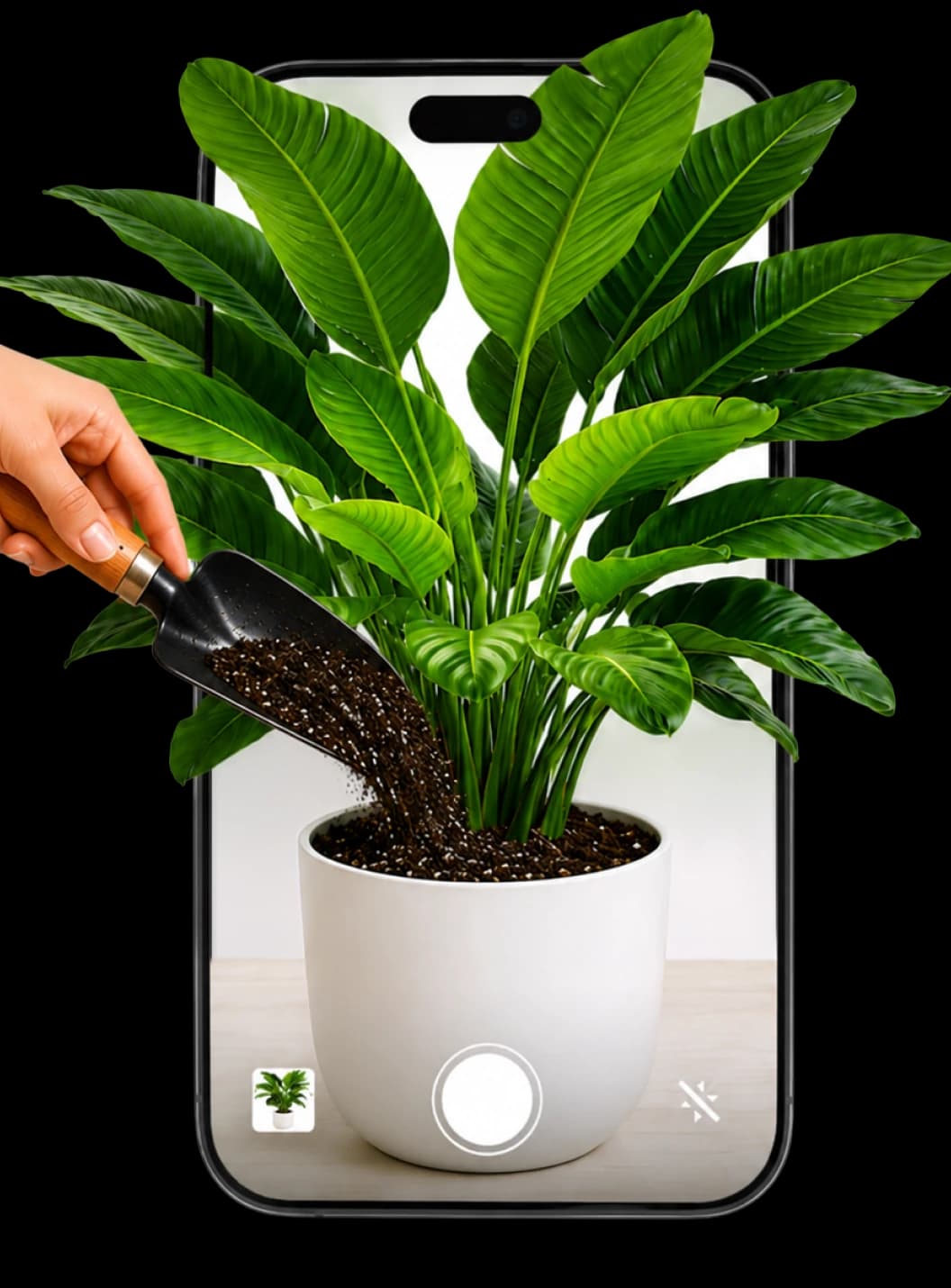
A homemade mix can balance moisture retention and airflow more precisely for Hydrangea anomala in containers or planting beds with difficult native soil.

100% total mix = 20 scoops
10%
perlite or pumice2 scoops
20%
pine bark fines4 scoops
30%
compost or well-rotted leaf mold6 scoops
40%
high-quality loam-based potting soil8 scoops

The finished blend should feel soft, crumbly, and slightly rich, holding some moisture while still letting excess water move through steadily.

This species often responds slowly, so soil issues may build gradually before they become obvious. Check the root zone first when growth seems off.

Compaction:

Compaction: If water sits on the surface or the soil feels dense and tight, gently loosen the top layer and add more air space with organic material.

Poor drainage:

Poor drainage: A sour smell or constantly heavy soil can point to excess water around the roots, so improve drainage before assuming a larger problem.

Dry pockets:

Dry pockets: If the root area sheds water instead of absorbing it evenly, pre-moisten the soil slowly and break up hydrophobic sections by hand.

pH drift:

pH drift: When soil stays outside the preferred range, nutrient uptake may slow, so use a simple soil test before making any amendment changes.

Get the Soil Right

Botan helps match this plant to a more suitable soil setup by combining care guidance with plant identification and condition checks.

FAQ

Yes. A deeper container gives roots more room to spread into a steadier moisture zone and helps reduce rapid surface drying, which supports a more stable Climbing Hydrangea soil environment.

More Plant Soil Guides

Could It Be the Soil?

Soil may be one factor behind visible decline. Botan’s photo-based assessment can help you decide whether the root zone is worth a closer look.

Botan app helping with soil and plant care
How to Bottom Water Plants: Complete Guide

6 min read · 13 Jul 2026

How to Bottom Water Plants: Complete Guide

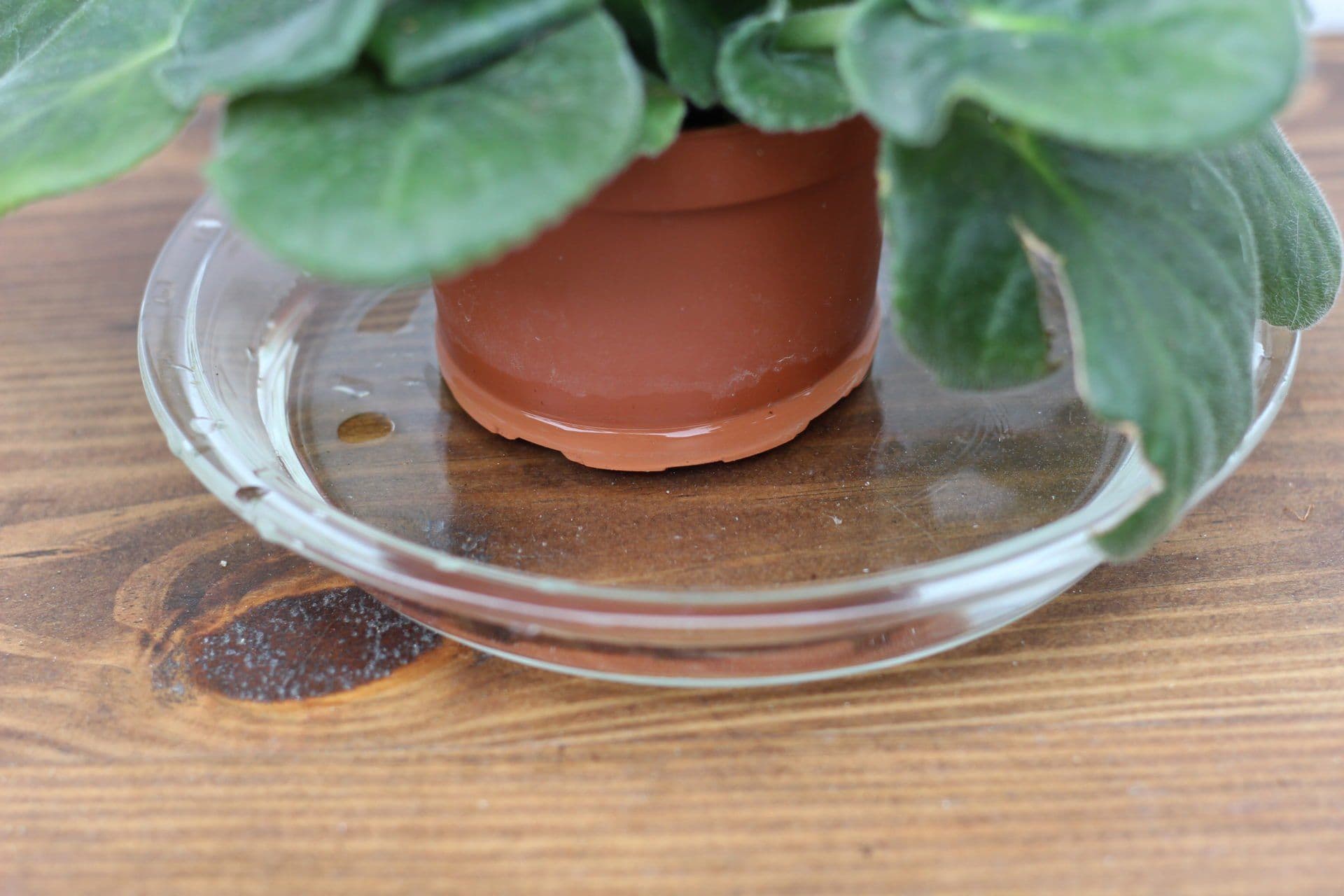
Bottom watering helps soil absorb moisture evenly and keeps foliage dry, reducing the risk of missed dry spots or root problems. Place the pot in a tray of water for a short time, then let it drain well.

Plant Care
How to Bottom Water Plants: Complete Guide
Plant Pot Sizes: How to Choose the Right Plant Container

7 min read · 20 Aug 2026

Plant Pot Sizes: How to Choose the Right Plant Container

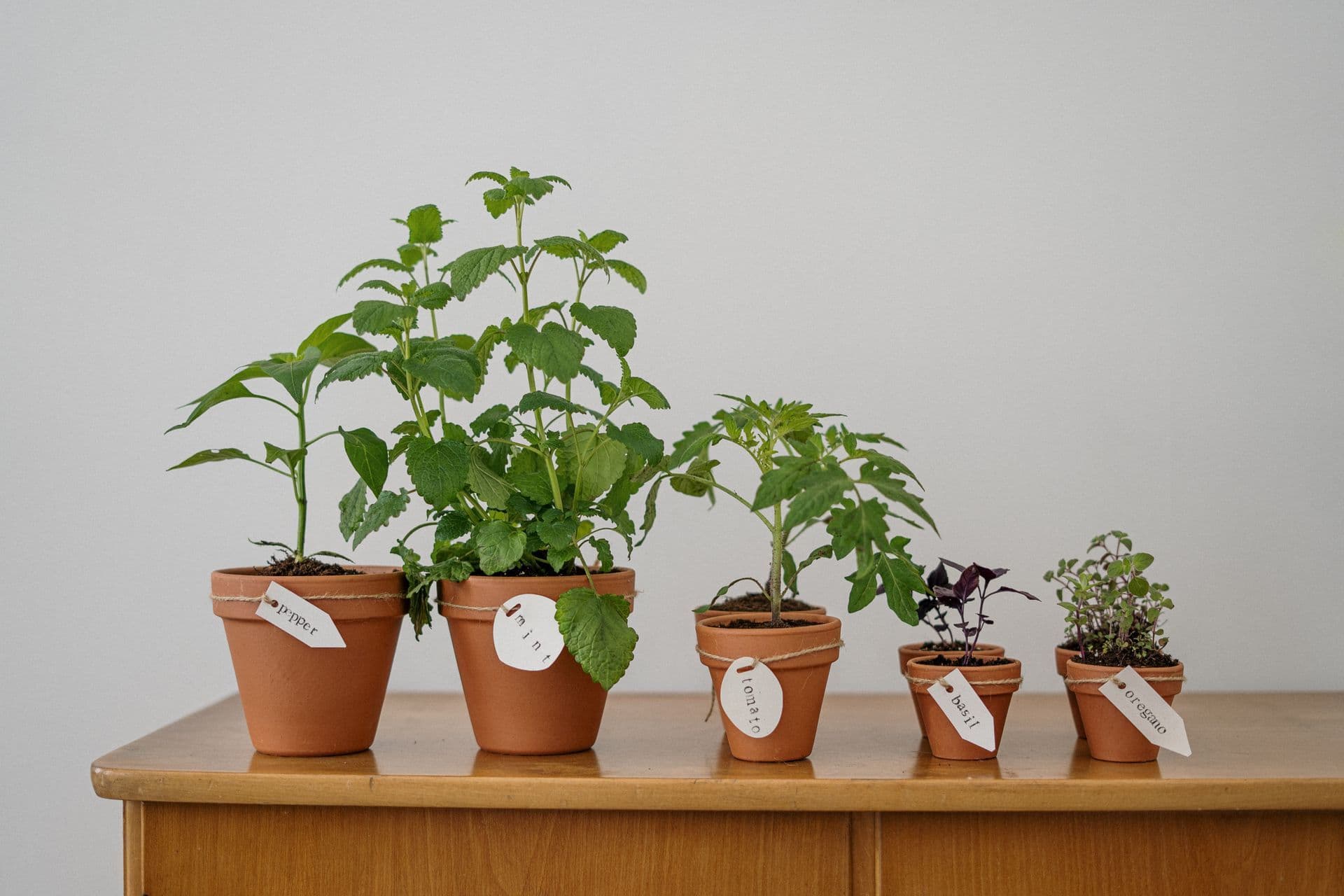
Plant pot sizes can be confusing because the number on the label only tells you part of the required information. A container may look spacious but actually be too shallow. So, how to choose pot size for plant species?

Beginner Guides
Plant Pot Sizes: How to Choose the Right Plant Container
Best Time to Water Grass in Summer – Lawn Watering Tips

5 min read · 21 Jul 2026

Best Time to Water Grass in Summer – Lawn Watering Tips

Summer watering is easy to get wrong. This guide explains when to turn on your sprinkler, how much liquid your grass needs each week, and how to tell if you're overwatering or underwatering.

Plant Care
Best Time to Water Grass in Summer – Lawn Watering Tips