


Best Soil for Lipstick plant (Aeschynanthus radicans)

Aeschynanthus radicans grows best in a loose, organic-rich mix that balances moisture retention with air flow for healthy roots.

Soil Texture

Loamy, Peaty, Organic-rich

Soil pH

Acidic (5.5–6.5), Slightly acidic (6.5–7.0)

Soil Drainage

Moist but well-drained

Aeschynanthus radicans Soil Guide

Native to tropical Southeast Asia, Aeschynanthus radicans grows in warm, humid forests where roots stay lightly moist but still get good airflow. That background explains why it prefers a loose, organic-rich substrate rather than anything dense or heavy.

The best soil for Lipstick plant holds some moisture yet drains freely, with a soft loamy to peaty texture that keeps oxygen around the roots. Its root system benefits from steady moisture and air at the same time, so the substrate should feel open, lightly acidic, and never compacted.

A simple homemade mix gives Aeschynanthus radicans the balance of moisture retention and air space its roots handle well in containers.

100% total mix = 20 scoops
10%
fine orchid bark2 scoops
20%
perlite or pumice4 scoops
30%
high-quality potting soil6 scoops
40%
peat moss or coco coir8 scoops

The finished mix should feel springy, light, and slightly crumbly, with water moving through evenly instead of pooling.

A slightly acidic to mildly acidic range of about 5.5–6.8 suits Lipstick plant well. In that range, key nutrients stay more available to the roots and are easier for the plant to take up.

If the mix drifts far above or below that range, nutrient uptake can become less efficient even when the soil otherwise looks suitable. Aeschynanthus radicans can handle small variation, but it performs best near the middle of that range.

This species can react poorly when the root zone stays stressed for long periods. Soil conditions are one possible factor to check when growth seems off.

Compaction:

Compaction: if the surface hardens and water stops soaking in evenly, gently loosen only the top layer and plan to refresh the mix soon.

Soggy root zone:

Soggy root zone: if the container stays heavy for too long and the mix feels swampy, improve drainage and remove any trapped excess water.

Fast collapse of mix:

Fast collapse of mix: older organic material can break down into a dense mass, so replace tired soil that no longer feels airy.

Salt buildup:

Salt buildup: a crust on the soil surface may point to mineral accumulation, so flush the potting mix thoroughly and monitor future residue.

Better Soil Starts Here

Botan helps match this plant to a more suitable soil setup based on its growth habit, container use, and care conditions.

FAQ

Yes. Drainage holes help excess water leave the container, which keeps the root zone from staying saturated too long and supports a healthier Lipstick plant soil environment overall.

More Plant Soil Guides

See If Soil Is the Issue

Botan can help assess visible issues and show whether soil conditions may be part of the problem through photo-based plant checks.

Botan app helping with soil and plant care
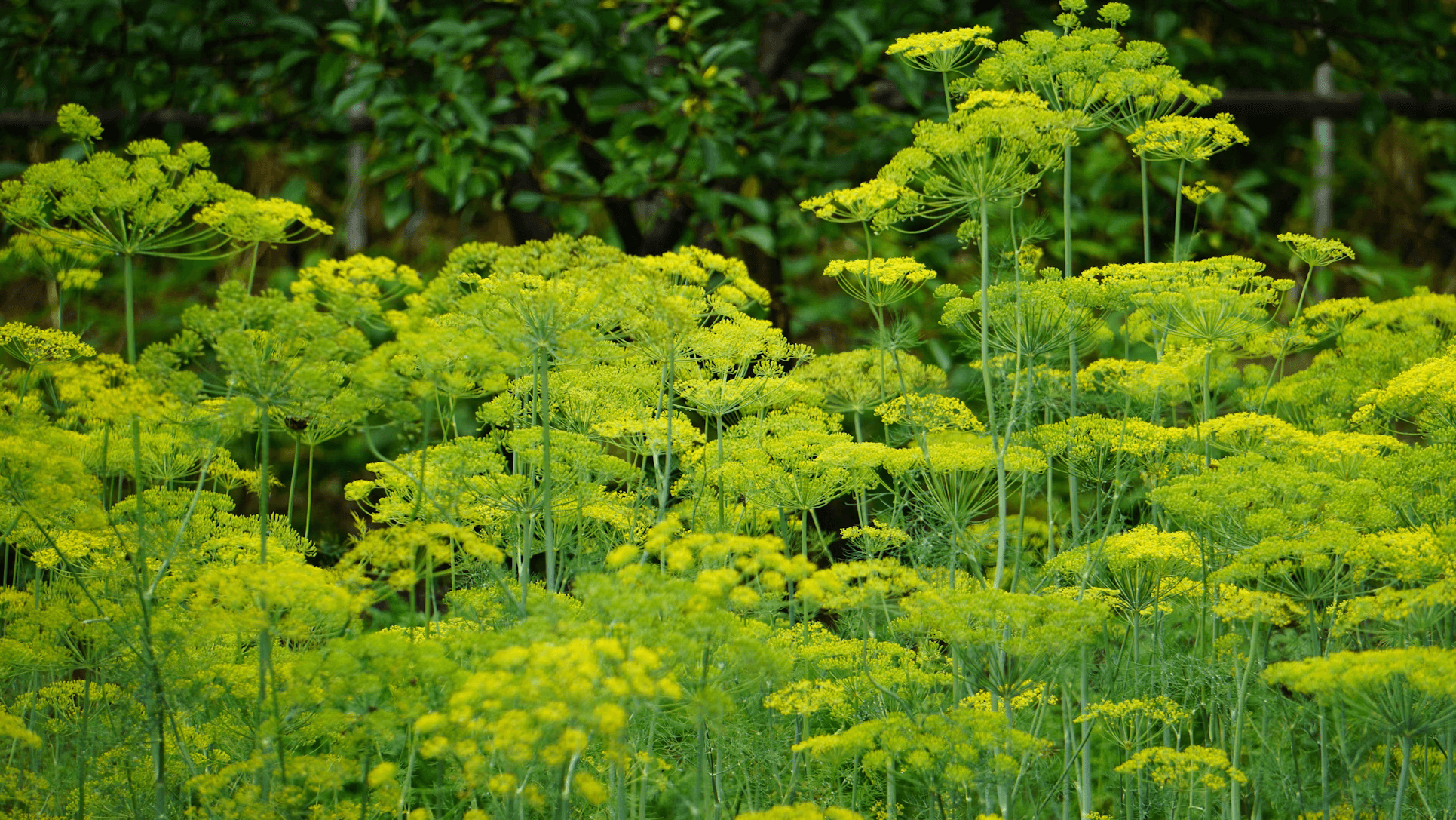
Dill Companion Plants – What to Grow Next to Dill

9 min read · 17 Jul 2026

Dill Companion Plants – What to Grow Next to Dill

Dill is an easy-to-grow plant that gets along well with many vegetables. This guide describes 15 plants that can be planted alongside it, a few to avoid, and mistakes that can quietly sabotage the entire process.

Plant Recommendations
Dill Companion Plants – What to Grow Next to Dill
Plant Pot Sizes: How to Choose the Right Plant Container

7 min read · 20 Aug 2026

Plant Pot Sizes: How to Choose the Right Plant Container

Plant pot sizes can be confusing because the number on the label only tells you part of the required information. A container may look spacious but actually be too shallow. So, how to choose pot size for plant species?

Beginner Guides
Plant Pot Sizes: How to Choose the Right Plant Container
12 Best Plants That Repel Spiders For Your Home and Garden

8 min read · 24 Jul 2026

12 Best Plants That Repel Spiders For Your Home and Garden

Spiders constantly appear in places you don't want them. A few common plants can help repel them using scent alone. Here are 12 options suitable for both indoors and outdoors, plus care tips for each.

Plant Recommendations
12 Best Plants That Repel Spiders For Your Home and Garden