Lipstick plant (Aeschynanthus radicans) Watering Guide

This page explains when, how often, and how much to water Aeschynanthus radicans without giving exact schedules or measurements.

Water Requirements

Moderate Water

Aeschynanthus radicans Watering

In bright, warm indoor conditions, watering Lipstick plant starts with understanding its naturally moist, humid forest origins. Aeschynanthus radicans experiences regular rainfall but grows on trees where excess water drains quickly, so roots never sit soggy.

Indoors, aim for slightly moist soil that can dry a bit between waterings, rather than staying wet. This balanced approach guides how to water Lipstick plant before adjusting details for light, temperature, or potting setup.

Water when the top 1–2 inches (3–5 cm) of soil feel dry to the touch; this is the best cue for Aeschynanthus radicans. In bright, warm indoor conditions, it typically needs water about once a week. Lower light or cooler rooms usually extend the interval between waterings.

Water the Lipstick plant when the top 1-2 inches (3-5 cm) of potting mix feel dry and slightly lighter.

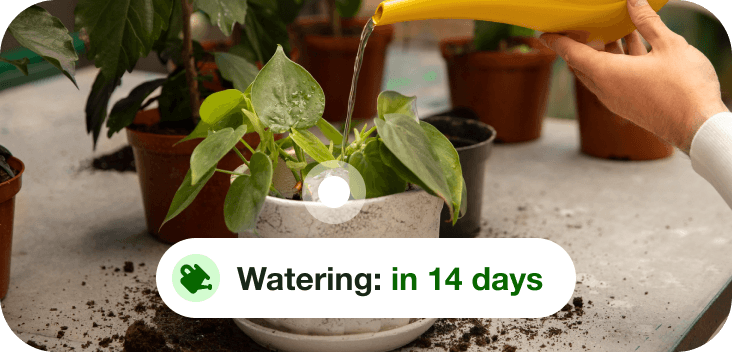
  • Pour room-temperature water slowly over the potting mix surface, keeping it off the leaves and stems as much as possible.
  • Continue adding water until it flows from the drainage holes, so the entire root zone is evenly moistened.
  • Let the pot drain fully for several minutes, then empty any saucer or cachepot so the container does not sit in runoff.
  • For hanging baskets, water over a sink or tub, rotating the pot to reach all sides of the root ball evenly.

Incorrect moisture can trigger several growth problems for Aeschynanthus radicans indoors or outdoors.

Wilting Foliage:

Leaves droop and lose firmness when roots sit in soggy soil or become extremely dry.

Leaf Yellowing:

Older leaves yellow and drop when watering stays inconsistent, stressing roots and nutrient uptake.

Shriveled Stems:

Thin, wrinkled vines develop after prolonged dryness, indicating depleted internal water storage tissues.

Blackened Stem Bases:

Dark, mushy stem sections near soil line suggest chronic overwatering and early root rot development.

Moldy Soil Surface:

Fuzzy growth on potting mix appears when drainage is poor and watering frequency stays too high.

Keep roots evenly moist in airy, fast-draining soil, allowing partial drying between thorough waterings.

Unsuitable watering habits quickly stress Aeschynanthus radicans, reducing flowering and vigor, even when light and temperature seem correct.

  • Watering by calendar: Following a fixed schedule ignores changing indoor conditions; instead, water when the top soil feels dry and the pot feels lighter.
  • Dense or heavy soil: Using peat-heavy or compact soil keeps roots soggy; choose a loose, chunky mix that drains fast yet retains slight moisture.
  • Letting runoff sit: Leaving water in the saucer re-saturates the mix; drain excess after a few minutes to keep roots comfortably moist, not soaked.

Aim for evenly moist, well-drained soil, adjusting timing to room conditions so the Lipstick plant never sits in prolonged wetness.

  • Spring: As days brighten, growth increases; check moisture more often and water when the top inch feels dry, avoiding constant sogginess.
  • Summer: In warm, bright conditions and active growth, indoor plants typically dry faster; monitor closely and water thoroughly, then drain excess from the pot.
  • Fall: As light and growth slow, allow the potting mix to dry a bit longer between waterings while still preventing complete dryness.
  • Winter: With cooler temperatures and lower light, growth is modest; extend intervals between waterings but protect from cold drafts and chilled, wet soil.

Your Lipstick plant Care Companion

Use Botan for a clear watering guide and practical care steps for Aeschynanthus radicans, plus gentle photo-based issue detection to spot early signs of stress or pests.

Botan plant care app — identify plants on mobile

Interesting Watering Facts

Epiphytic rain capture

In the wild, this species often grows as an epiphyte on tree branches, relying on frequent but light tropical rains and trapped leaf litter rather than deep soil moisture. Its roots are adapted to quickly absorb brief pulses of water and then dry relatively fast.


Succulent-like stems

The semi-succulent stems and slightly fleshy leaves act as short-term water reservoirs. This structure helps the plant bridge the gap between rain events in its native Southeast Asian forests, so it tolerates short dry spells better than many thin-leaved tropical houseplants.

FAQ

Water when the top 1–2 inches (3–5 cm) of potting mix feels dry, rather than on a strict schedule. In typical indoor conditions, that often means watering every 7–10 days, adjusting with season and light.

Everything About Lipstick plant

More Plant Watering Guides

Is Your Watering Routine Hurting Your Lipstick plant?

Botan quickly reviews your watering pattern so adjustments are simple and informed.

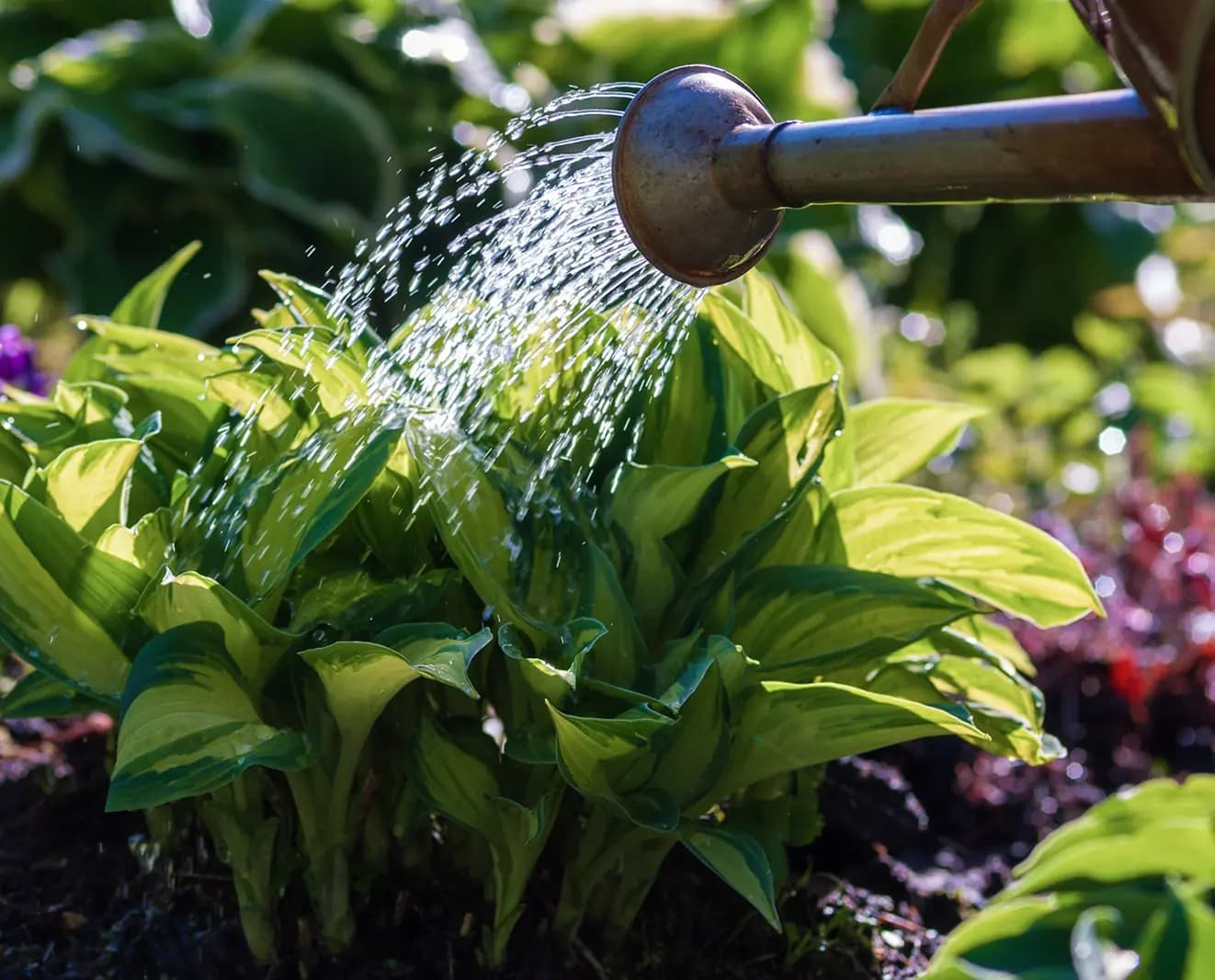
Watering a plant with a copper watering can
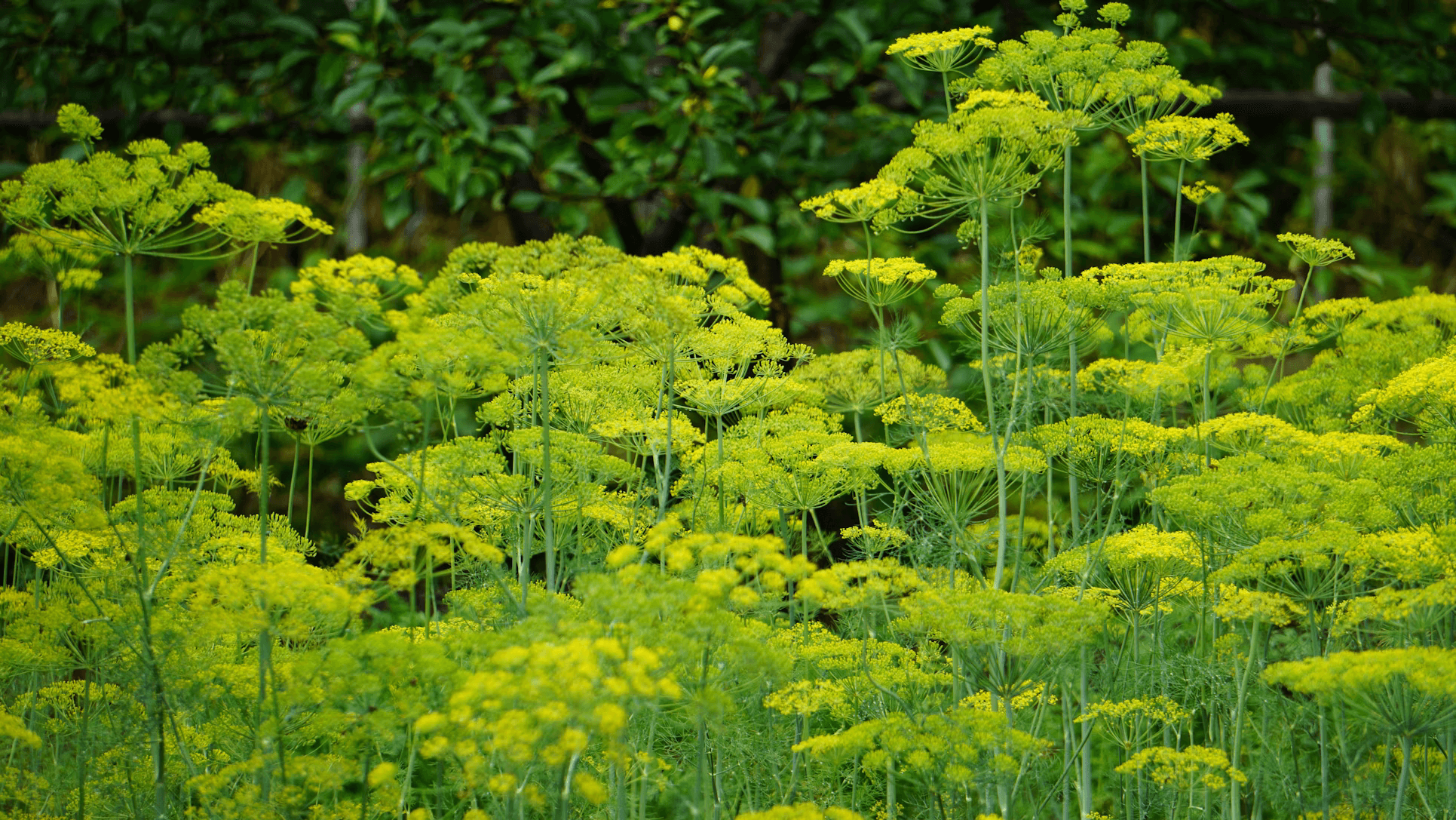
Dill Companion Plants – What to Grow Next to Dill

9 min read · 17 Jul 2026

Dill Companion Plants – What to Grow Next to Dill

Dill is an easy-to-grow plant that gets along well with many vegetables. This guide describes 15 plants that can be planted alongside it, a few to avoid, and mistakes that can quietly sabotage the entire process.

Plant Recommendations
Dill Companion Plants – What to Grow Next to Dill
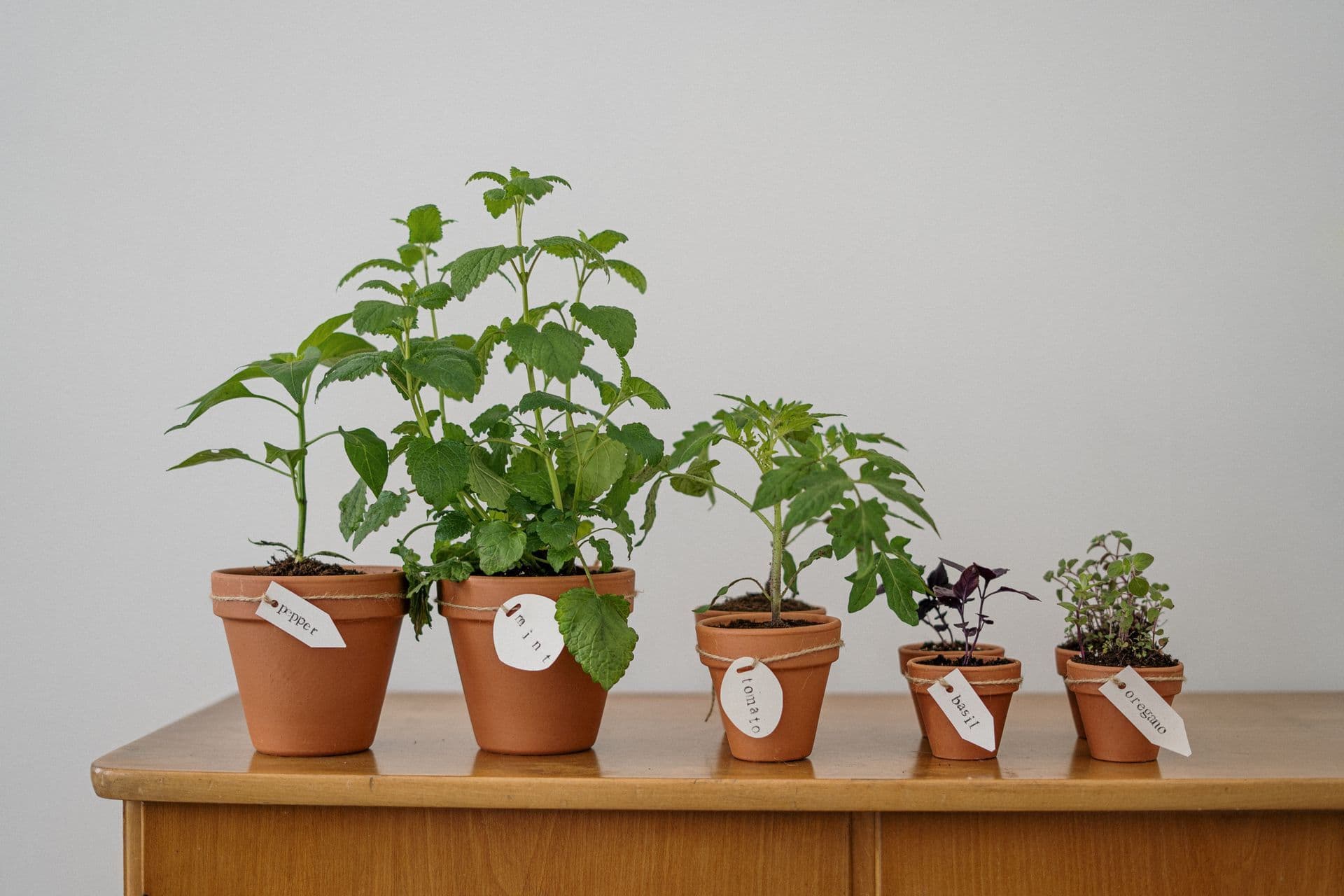
Plant Pot Sizes: How to Choose the Right Plant Container

7 min read · 20 Aug 2026

Plant Pot Sizes: How to Choose the Right Plant Container

Plant pot sizes can be confusing because the number on the label only tells you part of the required information. A container may look spacious but actually be too shallow. So, how to choose pot size for plant species?

Beginner Guides
Plant Pot Sizes: How to Choose the Right Plant Container
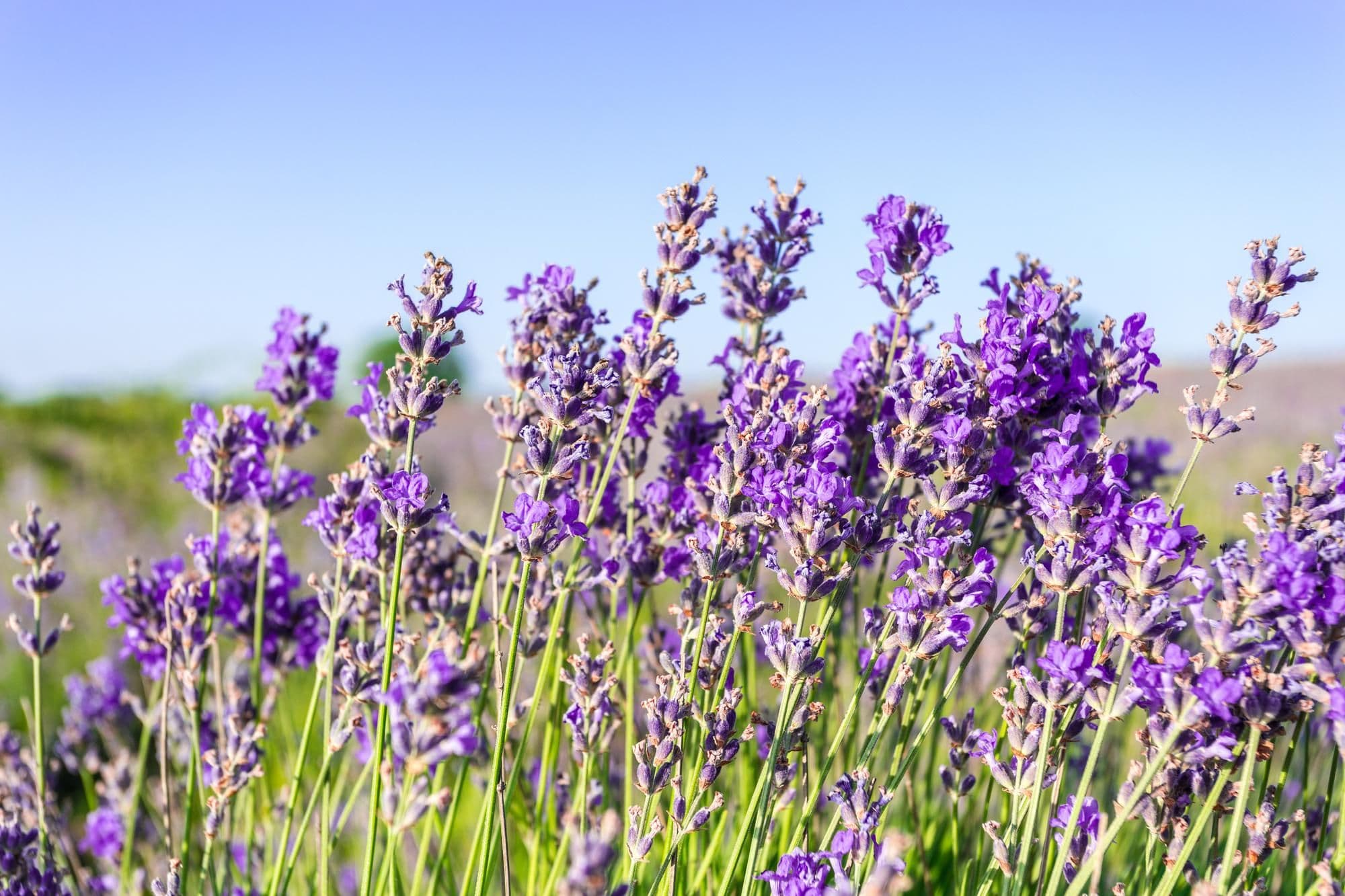
12 Best Plants That Repel Spiders For Your Home and Garden

8 min read · 24 Jul 2026

12 Best Plants That Repel Spiders For Your Home and Garden

Spiders constantly appear in places you don't want them. A few common plants can help repel them using scent alone. Here are 12 options suitable for both indoors and outdoors, plus care tips for each.

Plant Recommendations
12 Best Plants That Repel Spiders For Your Home and Garden