

Pickle plant (Delosperma echinatum) Watering Guide

This page explains when, how often, and how much to water Delosperma echinatum in straightforward terms.

Water Requirements

Low Water

Delosperma echinatum Watering

Native to dry, rocky habitats, this succulent is adapted to brief rainfall and fast‑draining soil. Delosperma echinatum prefers soil that dries between waterings rather than staying consistently moist.

In general, watering Pickle plant means allowing the potting mix to nearly dry, then rehydrating moderately. Indoors and in containers, moisture builds up faster than in outdoor beds, so adjust frequency accordingly while keeping conditions on the dry side.

Let the soil dry out almost completely before watering again; the top 1–2 inches (3–5 cm) should feel bone dry. Delosperma echinatum typically needs water about every 2–4 weeks indoors, with more frequent watering in strong summer sun and less in cooler, lower-light conditions.

Water Pickle plant when the potting mix is completely dry, then rehydrate the roots thoroughly while preventing prolonged soggy conditions.

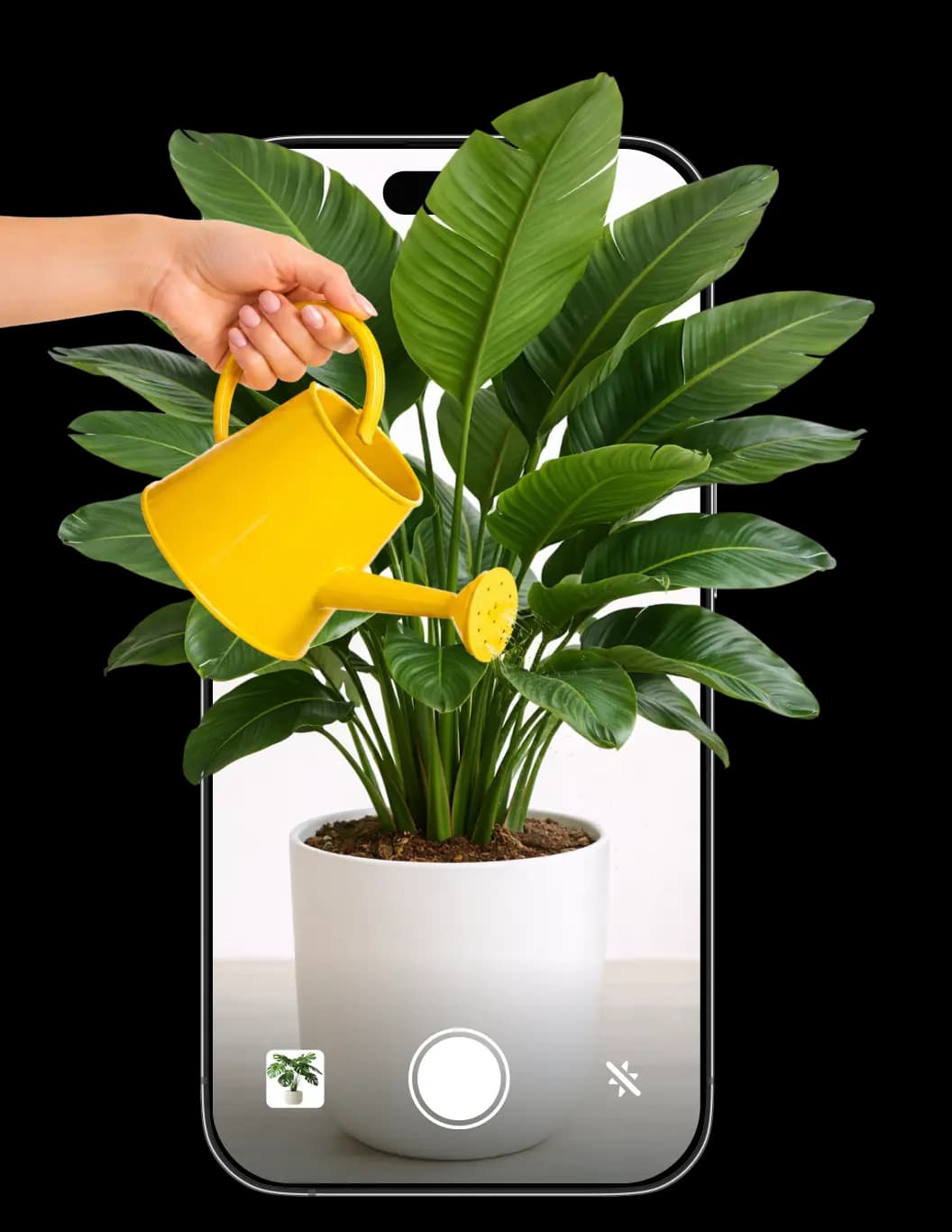
  • Pour room-temperature water slowly over the soil surface until it begins to drain from the bottom holes.
  • Allow the water to soak through, then wait a minute and water again so the entire root ball is evenly moistened.
  • Empty any saucer or decorative cachepot after drainage so the container never sits in standing water.
  • Keep the fuzzy leaves and stems dry by directing the water stream at the soil, not onto the plant itself.

Incorrect moisture levels may stress Delosperma echinatum and lead to avoidable, moisture-related growth problems over time.

Shriveled, Wrinkled Leaves:

Leaves look deflated and thin because the plant has depleted stored water through extended underwatering.

Yellow, Mushy Lower Leaves:

Lower leaves soften and discolor when soil stays wet too long, signaling developing root decline.

Blackened, Soft Stems:

Stem bases darken and collapse where prolonged saturation encourages rot-causing fungi in compacted soil.

Pale, Stalled Growth:

New segments remain small and dull when frequent light watering never fully recharges internal water reserves.

Allow the soil to dry deeply between soakings, favoring brief drought over lingering, airless wetness.

Unsuitable watering habits weaken Delosperma echinatum, making this drought-tolerant succulent more vulnerable to stress, pests, and sudden collapse.

  • Watering by calendar: Following a fixed schedule instead of checking soil dryness often keeps it damp; wait until the mix is completely dry before watering again.
  • Using dense potting soil: Standard peat-heavy mixes stay wet too long; choose a gritty, fast-draining cactus or succulent blend with added mineral grit.
  • No drainage or saucer puddles: Keeping the plant in a pot without drainage, or leaving runoff in the saucer, lets roots sit in water; discard excess promptly.

For a healthy pickle plant, focus on quick-draining soil, full drainage, and watering only after the root zone dries thoroughly.

  • Spring: Increase watering slightly as new growth appears, letting the mix dry between drinks; cool nights mean roots resent prolonged wetness.
  • Summer: In bright heat, water a bit more often but still deeply and infrequently, watching for wrinkling leaves rather than following a fixed schedule.
  • Fall: Gradually extend drying time between waterings as growth slows, especially if days shorten and indoor light intensity drops.
  • Winter: Provide very light sips only when the mix is fully dry, since cooler conditions and slower growth raise the risk of root rot.

Your Pickle plant Care Companion

Use Botan for a simple watering guide and step‑by‑step care for Delosperma echinatum, plus gentle photo-based checks that can highlight early signs of stress or other issues.

Botan plant care app — identify plants on mobile

FAQ

In active growth, water every 10–21 days, adjusting for light, temperature, and pot size. Let the mix dry about 75–100% between waterings. In winter rest, reduce frequency sharply and water only when the leaves start to soften slightly.

More Plant Watering Guides

Is Your Watering Routine Hurting Your Pickle plant?

Botan reviews your watering routine so adjustments are easier to make with confidence.

Watering a plant with a copper watering can
How to Tell if a Plant Is Dead

6 min read · 19 Aug 2026

How to Tell if a Plant Is Dead

A plant can lose its leaves, stop growing, or collapse and still remain alive. A closer look at the stems, roots, bulbs, and tubers can show whether the plant still has a chance to recover.

Beginner Guides
How to Tell if a Plant Is Dead
Best Fertilizer for Vegetable Gardens – What to Use for Each Plant

11 min read · 20 Jul 2026

Best Fertilizer for Vegetable Gardens – What to Use for Each Plant

Here, you’ll find the right fertilizer formula for vegetables in your garden. Learn how to adjust feeding correctly throughout the growing cycle, spot nutrient deficiencies by their symptoms, and keep your plants healthy and prolific.

Plant Recommendations
Best Fertilizer for Vegetable Gardens – What to Use for Each Plant
Thorny Plants: A Comprehensive Guide

10 min read · 25 Aug 2026

Thorny Plants: A Comprehensive Guide

Many plants defend themselves with sharp thorns. This guide explores over 20 examples among flowers, shrubs, trees, and vines. You'll learn what each plant looks like, why it grows thorns, and how to quickly identify them.

Plant Recommendations
Thorny Plants: A Comprehensive Guide