



Best Soil for Pickle plant (Delosperma echinatum)

A gritty, fast-draining mix helps Delosperma echinatum keep roots healthy by balancing airflow with light moisture retention.

Soil Texture

Sandy, Loamy, Rocky

Soil pH

Slightly acidic (6.5–7.0), Neutral (7.0)

Soil Drainage

Well-drained

Delosperma echinatum Soil Guide

Native to South Africa, Delosperma echinatum grows in dry, open settings where soil drains fast and roots get plenty of air. That background explains why dense, moisture-holding potting media are a poor match for this species.

The best soil for Pickle plant is sandy, loamy, or rocky in character, with a light, mineral feel and excellent drainage. Its roots are adapted to short wet-dry cycles rather than long-lasting moisture, so the substrate should dry fairly quickly while still holding enough structure to anchor growth.

A simple homemade mix works well when Delosperma echinatum needs better airflow and sharper drainage than standard potting soil usually provides.

100% total mix = 20 scoops
10%
fine gravel2 scoops
20%
coarse sand4 scoops
30%
perlite or pumice6 scoops
40%
cactus potting mix8 scoops

The finished blend should feel gritty, loose, and crumbly, with water moving through fast instead of lingering around the root zone.

A good target range is about 6.5–7.0 pH. That places the soil in the slightly acidic to neutral range, which suits Pickle plant well and supports steady nutrient availability.

Within that range, key nutrients stay easier for the roots to absorb without pushing the mix too far acidic or alkaline. A small amount of variation is usually tolerated, but extremes can gradually limit uptake.

This species is more likely to struggle in stale, airless media than in a mix that dries properly. Check the root zone when growth slows or the soil seems to stay unchanged for too long.

Compacted mix:

If the surface hardens and water stops soaking in evenly, loosen the top layer gently and replace part of the old medium with a fresher, more open mix.

Staying wet too long:

If the pot remains heavy for many days, reduce moisture retention by changing to a faster-draining medium and checking that excess water can leave freely.

Crusting or mineral buildup:

A pale crust on the surface can point to salt accumulation, so scrape it away and flush the container thoroughly before it becomes more concentrated.

Dense nursery plug:

When Pickle plant arrives in a tight peat plug, ease some of it away from the outer roots so the surrounding mix can dry and aerate more evenly.

Get the Soil Right

Botan helps match this plant to a more suitable soil setup, so drainage and texture are easier to judge before problems build up.

FAQ

Yes. Drainage holes are important because this species handles excess moisture poorly in enclosed containers. They let water leave the pot and help the root zone dry at a safer pace.

Everything About Pickle plant

More Plant Soil Guides

Could It Be the Soil?

Soil may be part of the issue. Botan’s photo-based assessment can help you check whether the growing medium is worth a closer look.

Botan app helping with soil and plant care
12 Best Cold-Hardy Vegetables for Cold Weather

7 min read · 13 Oct 2026

12 Best Cold-Hardy Vegetables for Cold Weather

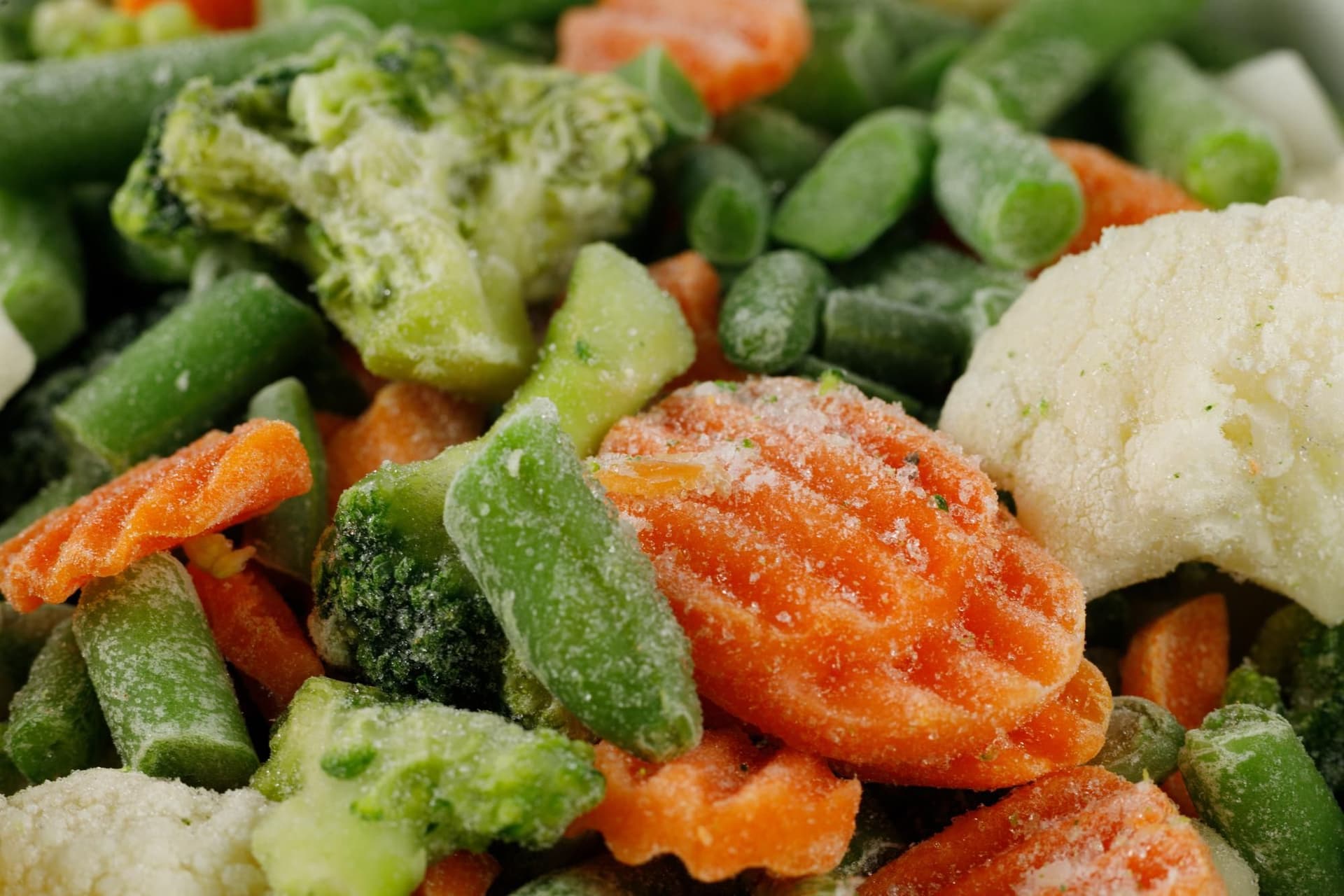
Cold-hardy vegetables can keep a garden productive through chilly fall, winter, and early spring weather. This guide covers 12 reliable crops, their frost tolerance, and practical growing tips for better cold-season harvests.

Plant Recommendations
12 Best Cold-Hardy Vegetables for Cold Weather
Frozen vs Fresh Vegetable Nutrients: Which Option Is Healthier?

6 min read · 8 Sept 2026

Frozen vs Fresh Vegetable Nutrients: Which Option Is Healthier?

Frozen and fresh vegetables are nutritionally comparable: frozen produce often retains vitamins just as well as fresh and may sometimes contain more. Here’s how blanching and storage affect nutrients—and when to choose each.

Plant Recommendations
Frozen vs Fresh Vegetable Nutrients: Which Option Is Healthier?
What Plants Don't Like Epsom Salt?

11 min read · 29 Jul 2026

What Plants Don't Like Epsom Salt?

Learn which plants can be seriously damaged by Epsom salt and which will thrive on it. We’ll explain when and how to use it properly, provide tips for indoor & outdoor plants — read on and enjoy a healthy garden.

Plant Care
What Plants Don't Like Epsom Salt?