



Best Soil for Rubber Tree (Ficus elastica)

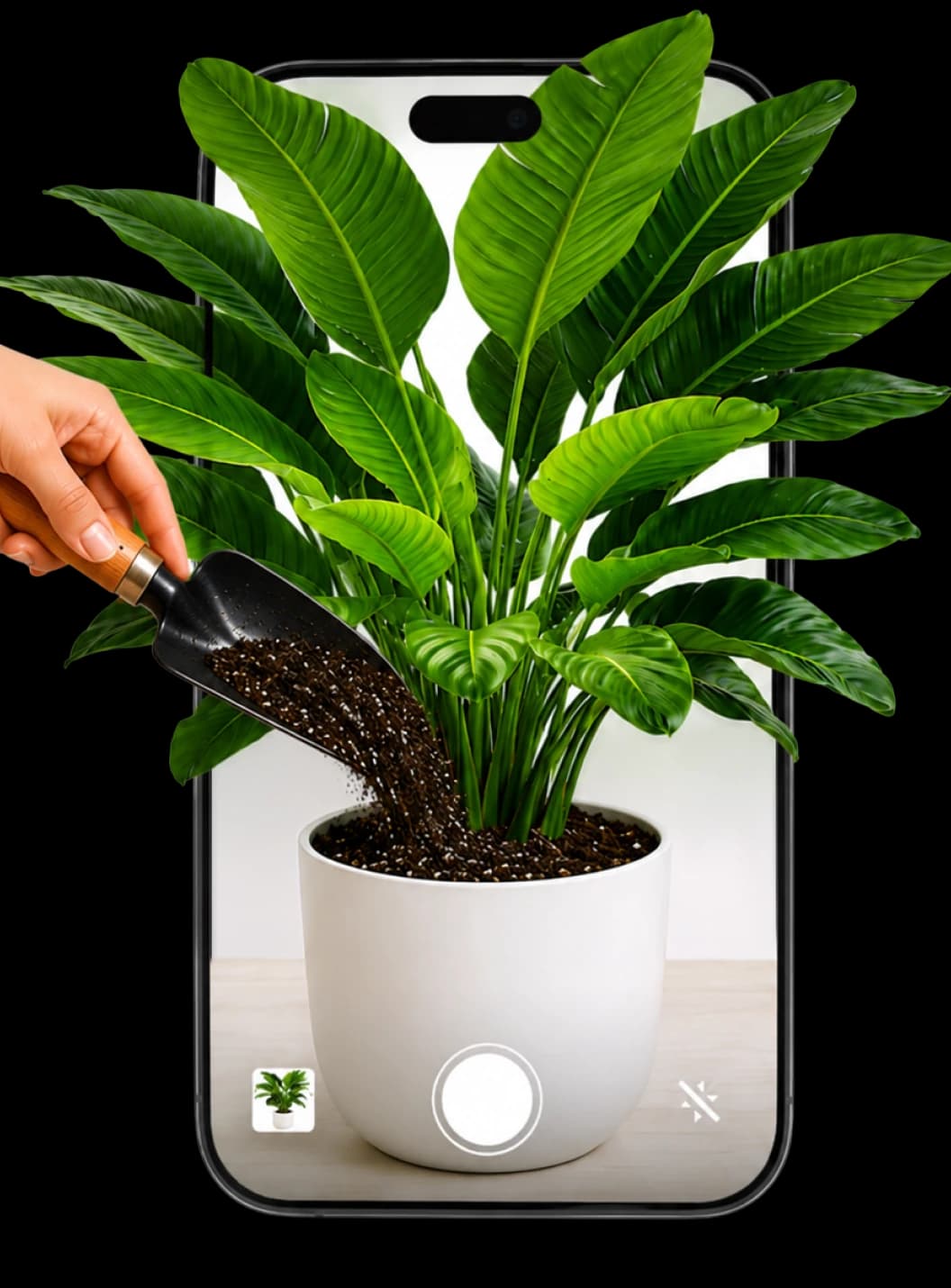
Ficus elastica grows best in a loose, moisture-retentive yet fast-draining mix that supports steady root growth and long-term plant health.

Soil Texture

Loamy, Sandy, Organic-rich

Soil pH

Acidic (5.5–6.5), Slightly acidic (6.5–7.0)

Soil Drainage

Moist but well-drained

Ficus elastica Soil Guide

Native to tropical parts of South and Southeast Asia, Ficus elastica grows in warm, humid conditions where soil stays lightly moist but not waterlogged. That background explains why it prefers a loose, airy substrate that holds some moisture while still draining well.

Its roots benefit from oxygen around them, so dense, heavy soil is less suitable than a loamy, slightly sandy, organic-rich mix. The best soil for Rubber Tree supports steady moisture, gentle acidity to near-neutral conditions, and enough structure to anchor growth without staying soggy.

A simple homemade mix can give Ficus elastica the balance of structure, airflow, and moisture control it needs in a container.

100% total mix = 20 scoops
15%
coco coir or compost3 scoops
20%
perlite or pumice4 scoops
25%
pine bark fines or orchid bark5 scoops
40%
high-quality potting soil8 scoops

The finished blend should feel light and crumbly, hold some moisture between particles, and let excess water move through without staying soggy.

A slightly acidic to near-neutral range of about 5.5–7.0 suits Rubber Tree well. Within that span, key nutrients stay more available to the roots, which supports steady leaf and stem development.

This species usually handles mild variation, but soil that drifts too far outside that range can reduce nutrient uptake over time even when the mix otherwise looks suitable.

This species can be sensitive to stale, compacted root conditions. A few simple checks can help rule out soil-related stress early.

Compacted mix:

If the surface hardens and water stops soaking in evenly, gently aerate the top layer and plan to replace the dense medium with a fresher one.

Poor drainage:

If the pot stays heavy for a long time or the mix feels swampy, check the drainage holes and remove any trapped water from the outer container.

Hydrophobic soil:

If very dry mix shrinks from the pot edge and sheds water, rewet it gradually so the root zone absorbs moisture more evenly again.

Salt buildup:

If a crust forms on the soil surface or pot rim, flush the container thoroughly once and reduce residue from mineral-heavy water sources.

Soil Help, Fast

Botan helps compare your plant’s soil needs with your current setup so it is easier to choose a more suitable mix.

FAQ

Yes. Drainage holes let excess water leave the container and help keep the root zone better aerated, which matters for a mix that should stay lightly moist, not stagnant.

Everything About Rubber Tree

More Plant Soil Guides

Check Your Soil Choice

If growth or leaf condition seems off, Botan can help assess whether soil may be one factor worth checking from a photo.

Botan app helping with soil and plant care
How To Revive a Dying Plant: 6 Steps To Bring A Plant Back To Life

6 min read · 1 Sept 2026

How To Revive a Dying Plant: 6 Steps To Bring A Plant Back To Life

Drooping leaves and brown tips don't always mean the end, and a weakened plant can often recover with a little help. These six simple steps will help you revive a dying plant and restore its health.

Plant Care
How To Revive a Dying Plant: 6 Steps To Bring A Plant Back To Life
How to Increase Humidity for Plants – 8 Simple Ways That Work

8 min read · 14 Aug 2026

How to Increase Humidity for Plants – 8 Simple Ways That Work

Dry indoor air stresses a lot of houseplants. You usually notice it first in the browning leaf tips. This guide describes 8 simple ways to raise the moisture around your plants, from humidifiers to pebble trays.

Plant Care
How to Increase Humidity for Plants – 8 Simple Ways That Work
12 Best Plants That Repel Spiders For Your Home and Garden

8 min read · 24 Jul 2026

12 Best Plants That Repel Spiders For Your Home and Garden

Spiders constantly appear in places you don't want them. A few common plants can help repel them using scent alone. Here are 12 options suitable for both indoors and outdoors, plus care tips for each.

Plant Recommendations
12 Best Plants That Repel Spiders For Your Home and Garden