
Rubber Tree (Ficus elastica) Watering Guide

This page explains when, how often, and how much to water a Rubber Tree in straightforward terms.

Water Requirements

Moderate Water

Ficus elastica Watering

In its Southeast Asian forest habitat, Rubber Tree grows with periodic rainfall and airy, slightly moist soil around the roots. Indoors, Ficus elastica generally prefers soil that partly dries between thorough waterings rather than staying constantly wet.

As a houseplant, watering Rubber Tree means aiming for moderate moisture, then adjusting frequency to light, temperature, and pot size. Outdoors in warm climates, in-ground plants usually experience deeper but less frequent natural soaking than container-grown specimens.

Water when the top 1–2 inches (3–5 cm) of soil feel dry, rather than on a fixed schedule. Indoors, Ficus elastica typically needs water about every 1–2 weeks, with brighter light or warmer rooms shortening this interval and lower light or cooler conditions extending it.

Water Rubber Tree when the top 1-2 inches (3-5 cm) of soil feel dry, using slow, deep watering for even moisture.

  • Pour room-temperature water slowly over the soil surface around the trunk, avoiding direct contact with stems and leaves.
  • Continue adding water until it begins to drain from the bottom holes, fully soaking the central and outer root zone.
  • Allow the pot to drain freely in a sink or tray, then discard any standing water from the saucer.
  • Use top watering rather than bottom watering to flush excess minerals and keep the soil evenly moistened over time.

Incorrect moisture balance can stress Ficus elastica and trigger avoidable health problems over time.

Yellowing Lower Leaves:

Older leaves turn uniformly yellow and drop as chronically wet soil limits oxygen around roots.

Brown Leaf Edges:

Crisp, brown margins with slight curl indicate extended dryness or low humidity stressing leaf tissue.

Mushy Root Zone:

Sour smell and soft, blackened roots develop when containers lack drainage and watering stays frequent.

Sudden Leaf Drop:

Otherwise green leaves fall quickly after drastic soil moisture swings between very dry and saturated.

Keep soil lightly moist, allowing partial drying between waterings while avoiding prolonged saturation or bone-dry periods.

Unsuitable watering habits weaken Ficus elastica by stressing its roots, making the Rubber Tree less resilient to light, pests, and temperature changes.

  • Watering by calendar: Following a fixed schedule instead of checking soil moisture keeps roots too wet or too dry; test the top layer before watering.
  • Heavy, compact soil: Using dense potting soil holds water around the roots too long; choose a chunky, well‑draining mix with perlite or bark.
  • Letting saucers fill: Leaving runoff in the saucer keeps the root zone saturated; empty excess water a few minutes after each watering.

A safer approach is to let the top soil dry slightly between waterings while ensuring quick drainage through both soil and container.

  • Spring: Growth usually ramps up; check soil more often and water when the top 1–2 inches feel dry, avoiding constant moisture.
  • Summer: In bright, warm rooms, transpiration increases, so expect faster drying soil and deeper watering, but still allow partial drying between waterings.
  • Fall: As light and growth slow, lengthen the time between waterings and reduce volume slightly while still preventing complete soil dryness.
  • Winter: With shorter days and cooler indoor temperatures, watering needs drop; let more of the root zone dry before watering again.

Your Rubber Tree Care Companion

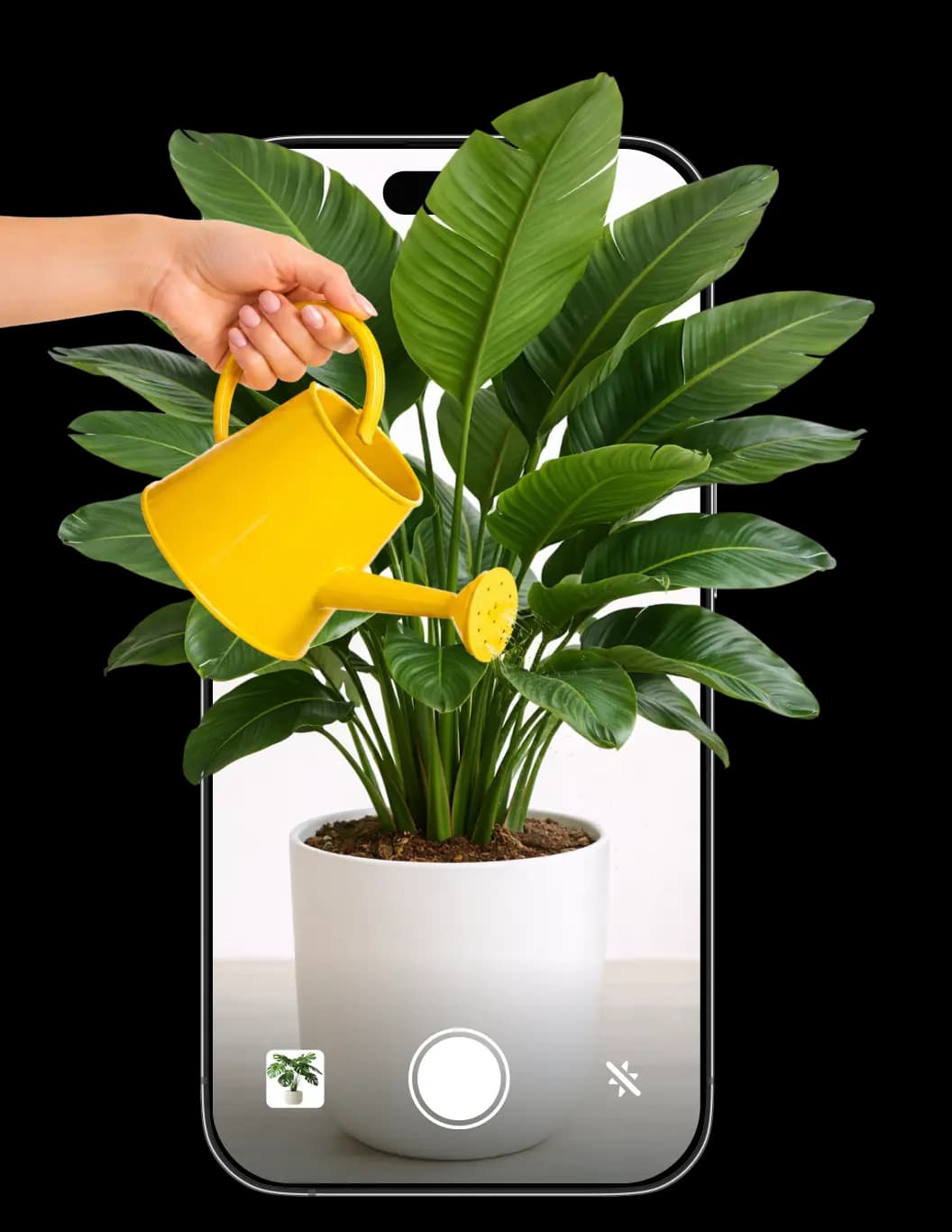
Use Botan for a clear watering guide and practical care steps for your Rubber Tree (Ficus elastica), plus gentle photo-based checks that help notice leaf or stem issues early.

Botan plant care app — identify plants on mobile

Interesting Watering Facts

Monsoon-tuned growth

In its native Himalayan foothills and Southeast Asian forests, rubber tree growth flushes with the monsoon season, when soil stays consistently moist but not waterlogged, then slows during drier months. Indoor watering that is lighter in winter and heavier in summer loosely mirrors this natural rhythm.


Latex as drought buffer

The thick, latex-rich sap of the rubber tree helps reduce water loss from wounded tissue, an advantage in periodically dry habitats. This protective sealing means minor stem damage does not dehydrate the plant as quickly as in many thinner-sapped species.

Aerial roots seeking moisture

In humid native habitats, mature rubber trees develop aerial roots that grow downward toward moist soil or mossy surfaces. These extra roots increase water and nutrient uptake, which partly explains the species’ strong response to higher humidity compared with many common houseplants.

FAQ

Yes. Water slowly until excess flows from the drainage holes, then empty the saucer. This leaches built-up salts and ensures the entire root ball is moistened without leaving the soil waterlogged.

More Plant Watering Guides

Is Your Watering Routine Hurting Your Rubber Tree?

Botan quickly checks if your watering routine matches your plant’s needs.

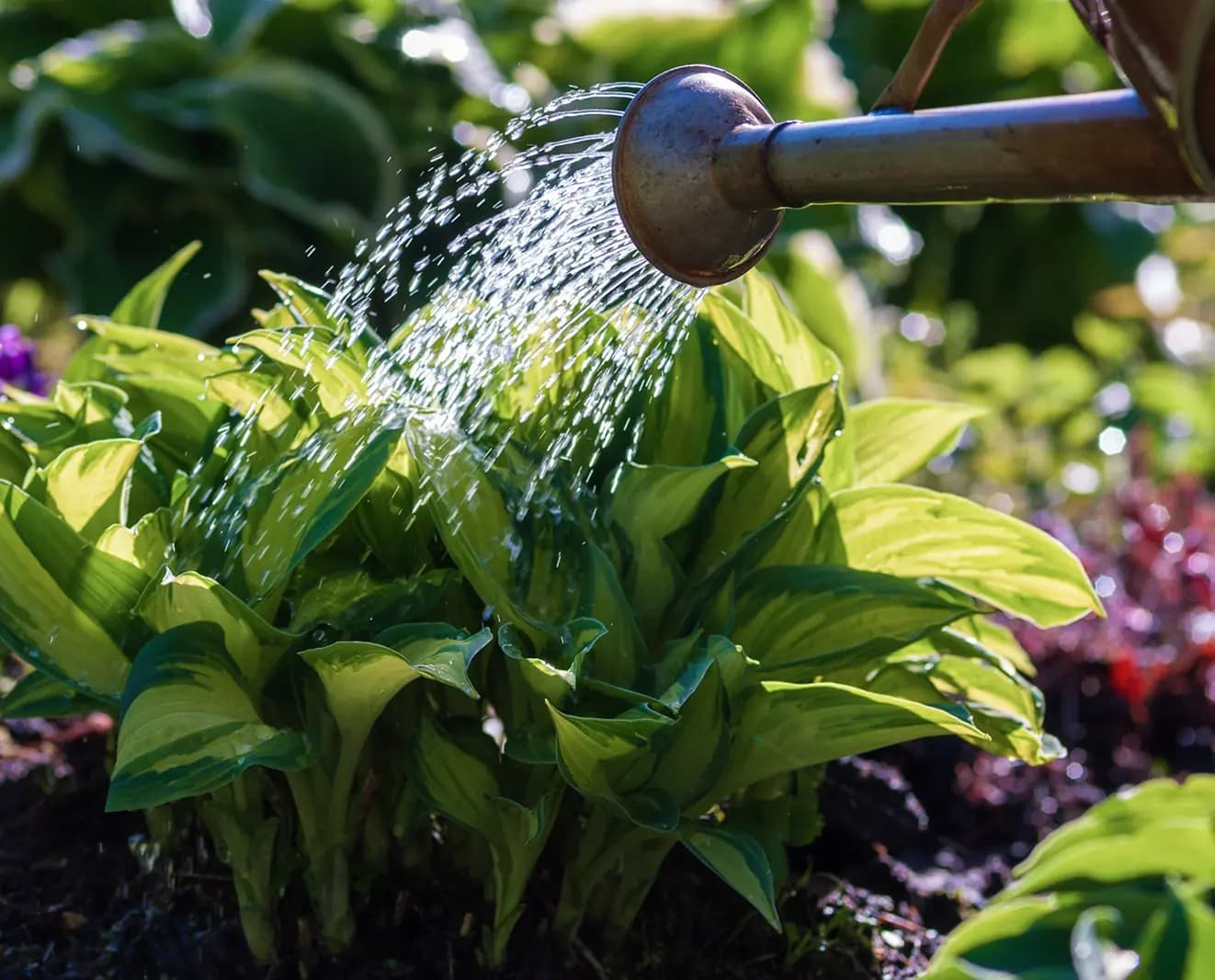
Watering a plant with a copper watering can
Best Fertilizer for Grass in Summer: How to Choose the Right One

6 min read · 18 Aug 2026

Best Fertilizer for Grass in Summer: How to Choose the Right One

The right fertilizer in summer can make a lawn thrive. The wrong one can damage it. Here, you’ll learn the best NPK ratios by grass type, when and how to apply your formula, and how to recognize the signs of over- or under-fertilizing.

Plant Care
Best Fertilizer for Grass in Summer: How to Choose the Right One
Rice Water for Plants – Which Plants Love It and How to Make It

8 min read · 14 Jul 2026

Rice Water for Plants – Which Plants Love It and How to Make It

Rice water can be an ideal DIY solution for orchids, roses, or fruiting plants. It supports growth, leaf count, and height. We’ll share how to make and apply it correctly for your plant.

Plant Care
Rice Water for Plants – Which Plants Love It and How to Make It
Banana Peel Water for Plants: 5 Things to Know Before Trying It

5 min read · 9 Jul 2026

Banana Peel Water for Plants: 5 Things to Know Before Trying It

Banana water can provide potassium and some nutrients that may support plant growth, but it is not a universal fix. Use it carefully and only when the plant actually shows signs of nutrient deficiency rather than as a routine treatment.

Plant Care
Banana Peel Water for Plants: 5 Things to Know Before Trying It