
Crown-of-thorns (Euphorbia milii) Watering Guide

This page explains when, how often, and how much to water Euphorbia milii for steady, controlled growth.

Water Requirements

Low Water

Euphorbia milii Watering

This sun-loving succulent prefers a lean moisture routine that reflects its naturally dry, rocky habitat. Euphorbia milii grows best when soil dries noticeably between waterings, rather than staying consistently moist.

As a houseplant, watering Crown-of-thorns usually means waiting for the potting mix to dry more than many foliage plants. Outdoors in warm climates, plants in the ground often manage slightly longer on natural rainfall, but still benefit from similar dry-down periods.

Let the soil dry almost completely, then water when the top 1–2 inches (3–5 cm) feel dry and the pot feels noticeably lighter. Indoors, Euphorbia milii typically needs water about every 10–21 days, with brighter light and higher heat shortening this interval and cooler, lower-light conditions extending it.

Water Crown-of-thorns when the top half of the potting mix feels completely dry, using a slow, controlled soak.

  • Pour room-temperature water directly onto the soil surface, circling the base so the entire root zone is evenly moistened.
  • Continue watering until liquid runs from the drainage holes, ensuring deeper roots receive moisture throughout the pot depth.
  • Let the pot drain freely for several minutes, then empty saucers or cachepots so the container does not sit in standing water.
  • Keep stems and leaves dry by aiming the stream at the soil only, which reduces unnecessary moisture on the plant body.

Incorrect moisture levels often weaken Euphorbia milii and trigger avoidable stress-related growth problems.

Shriveled Leaves:

Soft, wrinkling foliage typically signals prolonged underwatering and very dry, fast-draining potting mix.

Yellowing Lower Leaves:

Pale, dropping older leaves usually indicate frequent overwatering and soil staying wet for too long.

Blackened Stems:

Dark, mushy stem sections often result from chronic saturation and early stages of stem rot.

Mushy Roots:

Soft, brown roots with sour smell point to poor drainage and consistently waterlogged substrate.

Aim for thorough, infrequent watering with fast drainage, allowing the mix to dry significantly between soakings.

Unsuitable watering habits can stress Euphorbia milii, weakening growth and resilience even though this succulent tolerates short dry spells.

  • Rigid watering schedule: Watering on the same calendar day ignores light and temperature changes; instead, wait until most of the mix has fully dried.
  • Using dense, peat-heavy soil: Very compact soil holds moisture around the roots too long; use a fast-draining cactus mix with added mineral grit instead.
  • Letting runoff sit in saucers: Leaving the pot standing in collected water keeps roots saturated; promptly empty saucers so excess moisture can escape.

Aim for deep but infrequent watering in a sharply draining mix, guided by soil dryness and current growing conditions, not habit.

  • Spring: Increase watering slightly as new growth appears, letting the mix dry between drinks to avoid swollen, weak stems and roots.
  • Summer: In strong heat and sun, water more often but still deeply and infrequently, ensuring the pot drains fast to prevent root rot.
  • Fall: Gradually extend drying time between waterings as growth slows, especially if indoor light and temperatures start to drop.
  • Winter: Water sparingly during semi-dormancy, just enough to keep stems firm, and reduce further in cool rooms with low light.

Not Sure When to Water? Botan Knows

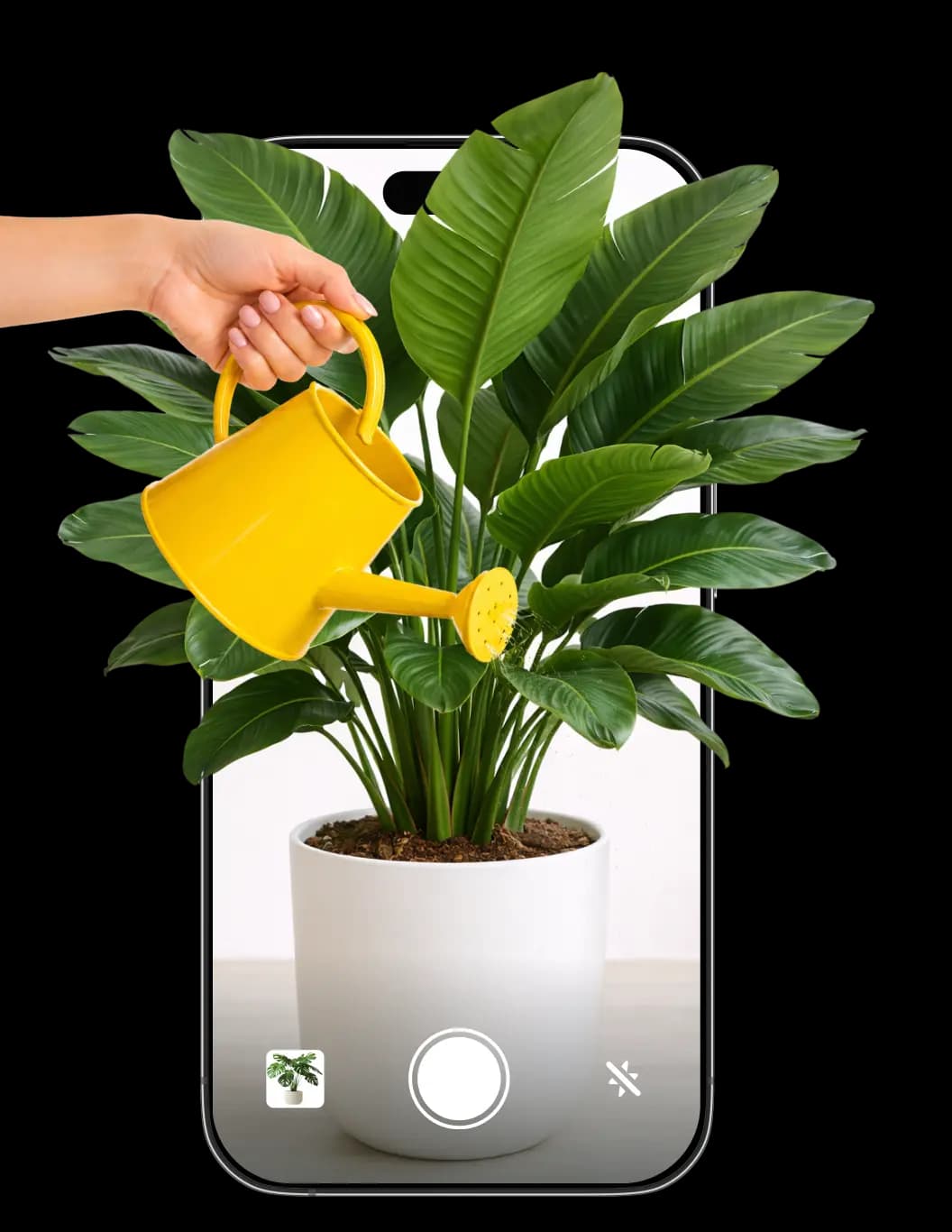
Use Botan for a simple watering guide and care steps for your plant, plus gentle photo-based checkups that help spot emerging issues before they become harder to manage.

Botan plant care app — identify plants on mobile

Interesting Watering Facts

Madagascar dry-season specialist

Euphorbia milii is native to rocky, seasonally dry areas of Madagascar, where it experiences long dry periods broken by short rainy seasons, which explains its strong tolerance for extended drought compared with many other houseplants.


Woody stems store moisture

Its thick, spiny, woody stems act as a water reservoir, allowing the plant to maintain leaves and flowers through weeks of limited rainfall, as long as root rot from excess moisture does not occur.

Leaves respond to drought

When soil moisture stays low for too long, Euphorbia milii commonly sheds some leaves to reduce water loss, a reversible response that helps it survive dry spells in its native habitat.

FAQ

In bright light, water every 10–21 days, letting the top 1–2 inches (3–5 cm) dry first. In lower light or winter, extend intervals. Temperature, pot size, and soil mix also affect how often to water.

More Plant Watering Guides

Is Your Watering Routine Hurting Your Crown-of-thorns?

Use Botan to review watering patterns and keep moisture levels on track.

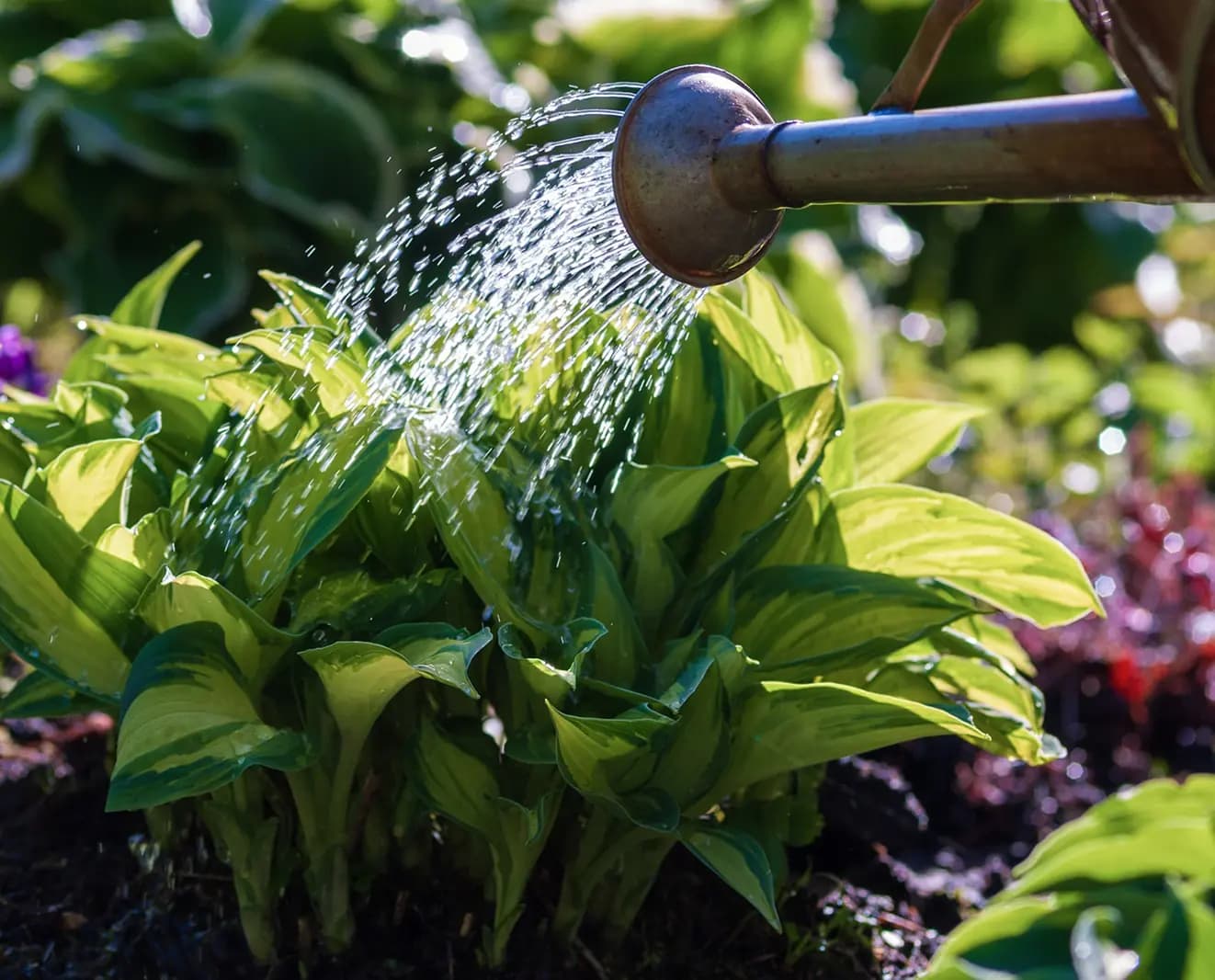
Watering a plant with a copper watering can
Best Fertilizer for Vegetable Gardens – What to Use for Each Plant

11 min read · 20 Jul 2026

Best Fertilizer for Vegetable Gardens – What to Use for Each Plant

Here, you’ll find the right fertilizer formula for vegetables in your garden. Learn how to adjust feeding correctly throughout the growing cycle, spot nutrient deficiencies by their symptoms, and keep your plants healthy and prolific.

Plant Recommendations
Best Fertilizer for Vegetable Gardens – What to Use for Each Plant
How to Bottom Water Plants: Complete Guide

6 min read · 13 Jul 2026

How to Bottom Water Plants: Complete Guide

Bottom watering helps soil absorb moisture evenly and keeps foliage dry, reducing the risk of missed dry spots or root problems. Place the pot in a tray of water for a short time, then let it drain well.

Plant Care
How to Bottom Water Plants: Complete Guide
Rice Water for Plants – Which Plants Love It and How to Make It

8 min read · 14 Jul 2026

Rice Water for Plants – Which Plants Love It and How to Make It

Rice water can be an ideal DIY solution for orchids, roses, or fruiting plants. It supports growth, leaf count, and height. We’ll share how to make and apply it correctly for your plant.

Plant Care
Rice Water for Plants – Which Plants Love It and How to Make It