Deep pulp water stores
The fleshy pads of Opuntia ficus-indica can hold substantial water in mucilage-rich tissues, allowing the plant to keep photosynthesizing through long dry periods without relying on frequent rainfall or irrigation.

This page explains when, how often, and how much to water Opuntia ficus-indica for practical, everyday care.

Water Requirements
Low Water
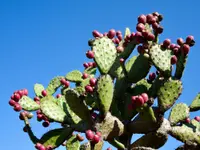
Native to arid regions, this cactus experiences brief, infrequent rainfall and long dry periods, shaping its moisture needs. Opuntia ficus-indica prefers soil that dries between sessions rather than staying consistently moist. Understanding this pattern gives a solid foundation before exploring detailed watering Prickly pear guidelines.
Outdoors in the ground, it usually copes with natural rainfall, while containers require more attentive, controlled watering decisions.
Let the soil dry completely before watering Opuntia ficus-indica again. Indoors, this usually means watering about every 3–4 weeks, while outdoor plants in hot, intense sun may need water a bit more often. Check that the mix is dry down 1–2 inches (3–5 cm) as a readiness guide.
Water Prickly pear only when the potting mix is completely dry, then give a single, deep drink that reaches the roots.
Incorrect moisture levels can stress Opuntia ficus-indica and trigger several avoidable growth problems.
Pads wrinkle and deflate from prolonged dryness or extremely fast-draining soil, signaling deeper watering is overdue.
Pale, yellow segments often indicate consistently damp soil, poor drainage, or an oversize, moisture-retentive container.
Dark, mushy tissue at the stem base suggests chronic overwatering and developing fungal or bacterial rot.
Segments feel spongy and collapse when roots suffocate in waterlogged soil or saucers left full.
New pads fail to form when watering is too frequent in cool, low-light seasonal conditions.
Let soil dry deeply between thorough waterings, favoring brief drought over any chance of saturation.
Poor watering habits can gradually weaken Opuntia ficus-indica, leaving Prickly pear less resilient to light, temperature, and pest stress.
Successful watering relies on fast drainage and thorough drying between waterings, adjusted to season, container size, and indoor conditions.
Is It Time to Water?
See whether your plant is ready for watering or needs more time to dry.
Use Botan for a simple watering guide and essential care steps for your Opuntia ficus-indica, plus gentle photo-based checks that help spot early signs of stress or common issues.
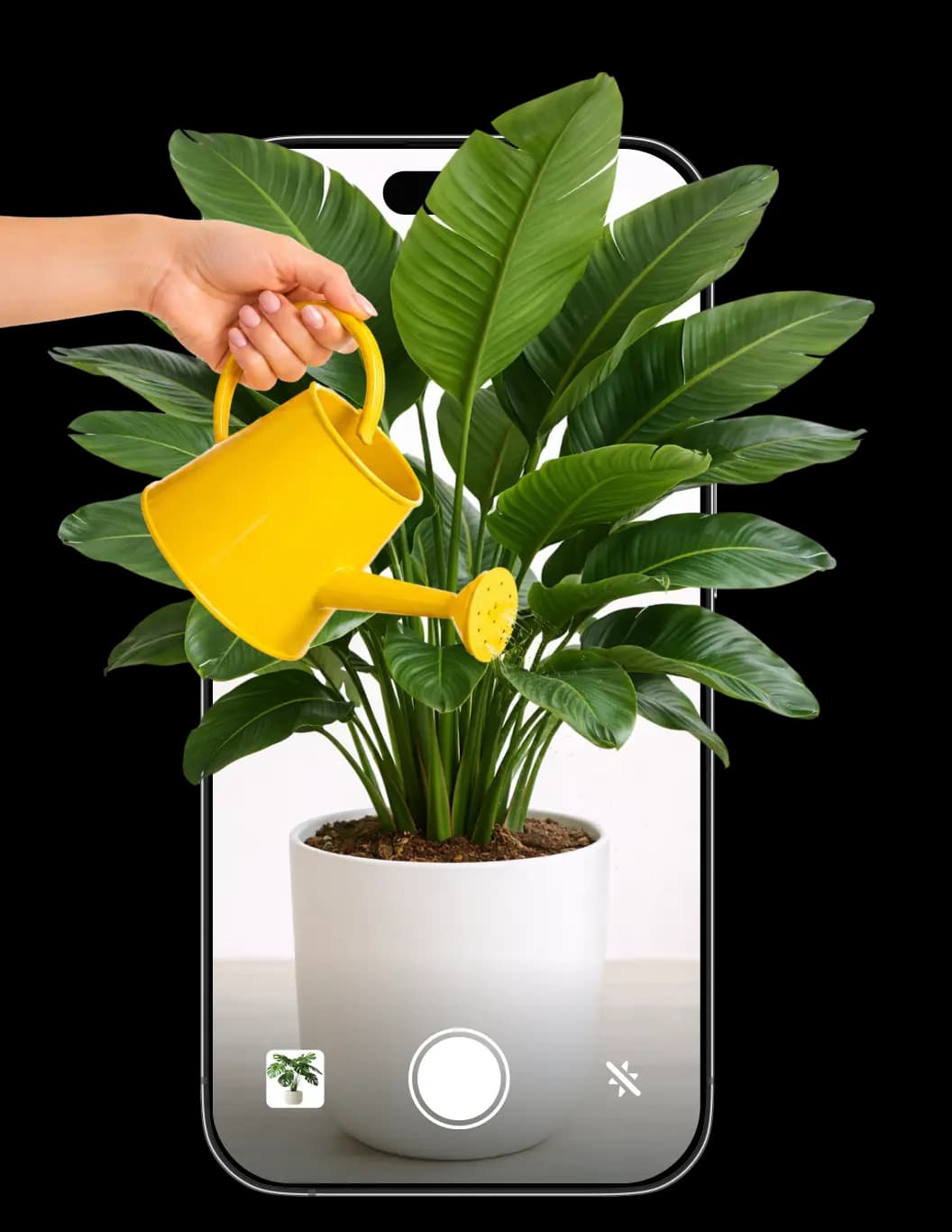
The fleshy pads of Opuntia ficus-indica can hold substantial water in mucilage-rich tissues, allowing the plant to keep photosynthesizing through long dry periods without relying on frequent rainfall or irrigation.
Like many cacti, Opuntia ficus-indica uses CAM photosynthesis, opening stomata mainly at night to reduce water loss and tolerate hot, arid conditions while still maintaining carbon intake for growth.
In its native semi-arid habitats, Opuntia ficus-indica often produces new pads mainly after significant rain events, matching its vegetative growth flush to short windows of higher soil moisture.
Use an unglazed terracotta or clay pot with large drainage holes. These materials let excess moisture evaporate and help prevent root rot, which is crucial for this desert species’ watering needs.
Use Botan to review watering patterns and see if moisture timing needs adjustment.

10 min read · 7 Jul 2026
Bamboo grows extremely fast: some species can reach 5-6 m in just 3-4 months under the right conditions. This guide explains how much bamboo can grow per day, week, and year, and what affects its growth rate.

6 min read · 8 Sept 2026
Frozen and fresh vegetables are nutritionally comparable: frozen produce often retains vitamins just as well as fresh and may sometimes contain more. Here’s how blanching and storage affect nutrients—and when to choose each.
8 min read · 31 Aug 2026
Good plant grouping can mean the difference between a well-planned garden and one that looks sloppy. This guide explores layers, spacing, cluster shapes, and the plants that thrive when you group them.