Coastal Drought Specialist
Carpobrotus chilensis naturally grows on dry Pacific coastal bluffs and dunes, where rainfall is low and irregular, so it is adapted to long dry periods with only brief pulses of moisture.

This page explains when, how often, and how much to water Carpobrotus chilensis for practical, consistent care.

Water Requirements
Low Water
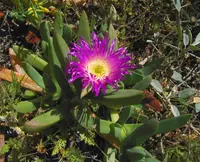
This succulent groundcover evolved along dry, coastal areas, so it relies on infrequent moisture and fast-drying soil. Carpobrotus chilensis prefers soil that dries between waterings rather than staying consistently damp, especially in open garden beds.
Expect lower watering needs outdoors than in containers, where soil dries faster. A simple, restrained approach to watering ice plant supports steady growth before adjusting details for your specific climate and site.
Let the top 2–3 inches (5–7 cm) of soil dry out completely before watering again, as Carpobrotus chilensis stores moisture in its leaves and dislikes frequent watering. Outdoor plants in hot, full sun typically need water more often than those in cooler weather or partial shade.
Water when the top 2 inches of soil feel completely dry; use a slow, controlled soak to hydrate ice plant roots.
Incorrect moisture levels often stress Carpobrotus chilensis and lead to several avoidable growth problems.
Sections of succulent foliage turn soft and yellow from chronic overwatering and poorly drained, compacted soil.
Segment tips wrinkle and lose plumpness when soil stays dry for prolonged, heat-intense periods.
Lower stems darken and collapse where waterlogged soil encourages fungal rot around rooting nodes.
Exposed roots feel soft and discolored after repeated irrigation on already moist, slow-drying substrates.
Allow soil to dry well between waterings, prioritizing sharp drainage and brief, infrequent irrigation sessions.
Unsuitable watering habits can stress Carpobrotus chilensis, weakening its natural drought tolerance and making it less resilient in containers or beds.
Successful watering relies on fast drainage, brief wet periods, and allowing the soil to dry noticeably between soakings for this succulent.
Watering Check
Not sure if your plant needs water? Check its watering needs inside the app.
Use Botan to set a simple watering guide and care steps for Carpobrotus chilensis, and quickly check potential issues from a photo before they become more serious.
Carpobrotus chilensis naturally grows on dry Pacific coastal bluffs and dunes, where rainfall is low and irregular, so it is adapted to long dry periods with only brief pulses of moisture.
Its thick, triangular, succulent leaves store water, allowing the plant to maintain growth and stay green through coastal summer droughts with little or no rainfall.
In coastal habitats of California and Chile, this species often benefits from fog drip and light mist rather than frequent rain, using small amounts of moisture condensing on and around its foliage and stems.
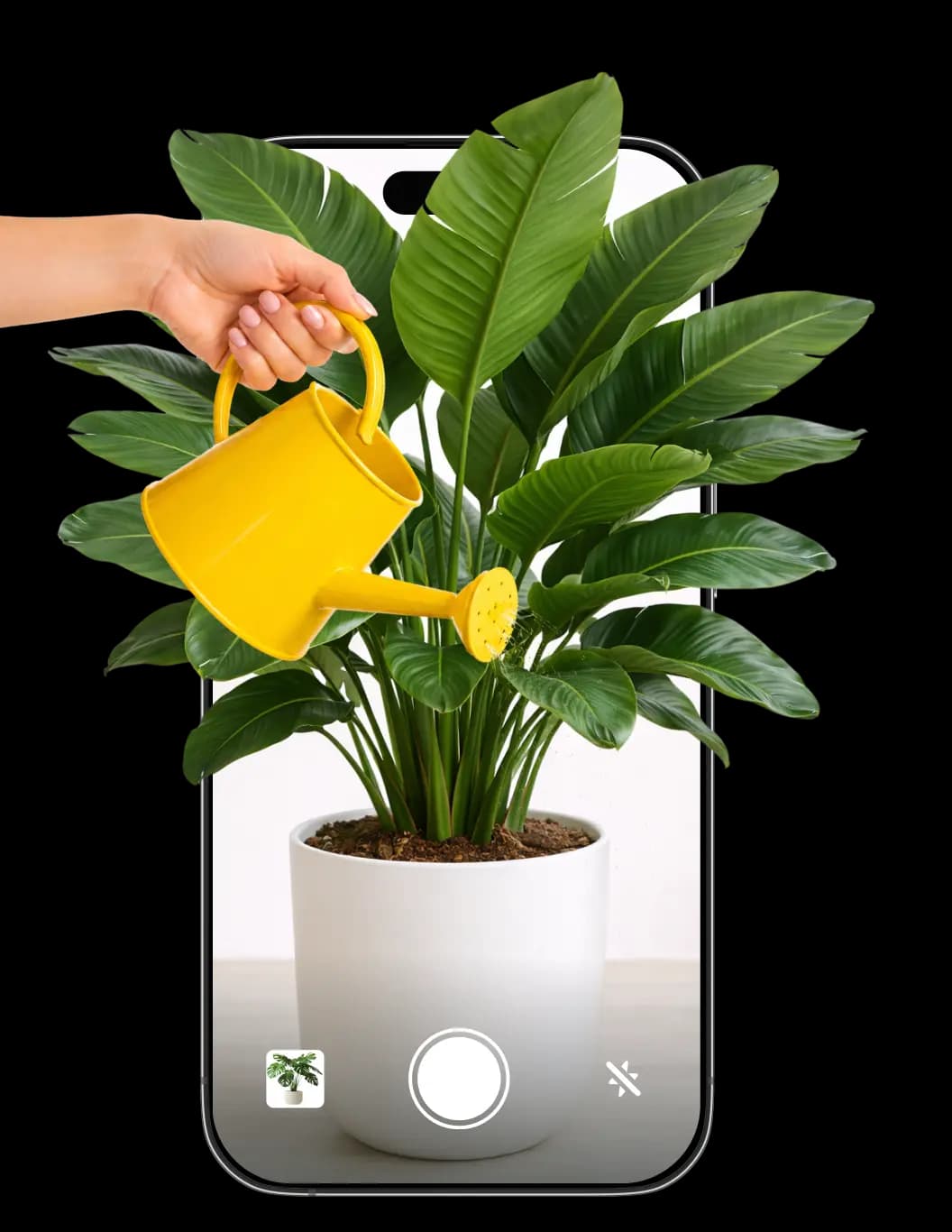
Top watering is simplest. Pour gently over the soil, not the foliage, until it is evenly moist but not soaked. Good drainage is essential. Bottom watering is possible but the pot should drain fully afterward.
Botan reviews your watering pattern and flags when adjustments may be helpful.

6 min read · 15 Sept 2026
Plants can grow under artificial light when the setup provides a suitable spectrum, enough intensity, and sufficient daily exposure. This guide explains how artificial lighting compares with sunlight, which options work indoors, and how to match a setup to houseplants.
8 min read · 31 Aug 2026
Good plant grouping can mean the difference between a well-planned garden and one that looks sloppy. This guide explores layers, spacing, cluster shapes, and the plants that thrive when you group them.
8 min read · 14 Jul 2026
Rice water can be an ideal DIY solution for orchids, roses, or fruiting plants. It supports growth, leaf count, and height. We’ll share how to make and apply it correctly for your plant.