
Christmas cactus (Cylindropuntia leptocaulis) Watering Guide

This page explains when, how often, and how much to water Cylindropuntia leptocaulis in simple, practical terms.

Water Requirements

Low Water

Cylindropuntia leptocaulis Watering

Understanding basic cactus moisture needs helps frame both watering Christmas cactus and desert species. Cylindropuntia leptocaulis grows in arid regions with brief, infrequent rainfall, so soil stays dry most of the time.

This species prefers the soil to dry between waterings rather than remaining consistently moist. Outdoor plants usually tolerate wider moisture swings than container specimens, which benefit from slightly more regular attention without becoming wet for long.

Let the soil dry out almost completely before watering again, checking that the top 1–2 inches (3–5 cm) feel dry to the touch. In bright, hot outdoor conditions, this may happen more quickly, while cooler indoor spots usually mean longer intervals between waterings for Cylindropuntia leptocaulis.

Water Christmas cactus when the top 1-2 inches (3-5 cm) of soil feel dry, using an even, thorough approach.

  • Pour room-temperature water slowly over the soil surface, circling the base so moisture spreads evenly through the pot.
  • Continue adding water until it flows from the drainage holes, fully soaking the root zone without rushing the process.
  • Let the pot drain completely over a sink or tray, then discard any collected water so roots do not sit submerged.
  • Keep stems and joints mostly dry by avoiding overhead splashing, focusing the water stream directly onto the soil only.

Incorrect moisture levels can stress Cylindropuntia leptocaulis and gradually weaken growth and vigor.

Shriveled Green Stems:

Segment surfaces wrinkle and feel soft from prolonged dryness or extremely fast-draining, sandy substrate.

Yellowing Lower Segments:

Base segments turn dull yellow when roots sit in chronically wet, poorly aerated soil.

Blackened Stem Bases:

Dark, mushy joints appear after extended saturation, often indicating early rot at the crown.

Stalled New Segment Growth:

Fresh joints remain tiny or abort when watering is infrequent during active warm-season growth.

Salt-Crusted Soil Surface:

White crust forms from frequent light watering and fertilizer, stressing roots and reducing water uptake.

Let the mix dry well between thorough waterings, especially in cool seasons or low light.

Inconsistent or unsuitable watering habits can stress Cylindropuntia leptocaulis, weakening growth and making the plant more vulnerable to environmental swings.

  • Watering by calendar: Following a fixed schedule ignores how quickly the mix dries; instead, water only when most of the potting soil feels dry.
  • Dense, peat-heavy soil: Using moisture-retentive potting mixes keeps roots wet for too long; choose a gritty cactus blend with extra mineral content instead.
  • No drainage or saucer puddles: Keeping the pot in standing runoff or using containers without holes suffocates roots; discard excess water and ensure free drainage.

For this desert cactus, let the mix dry most of the way, then water thoroughly and let it drain completely each time.

  • Spring: As new joints and small leaves appear, water slightly more often after dry spells, allowing soil to fully dry between light soakings.
  • Summer: In intense heat, rely mainly on natural rainfall; add brief, deep watering only after prolonged drought if stems noticeably shrivel.
  • Fall: Reduce supplemental water as nights cool and growth slows, spacing out soakings to prevent root issues in cooling soil.
  • Winter: Keep nearly dry during dormancy, watering sparingly only during extended warm, dry periods to prevent severe shriveling of segments.

Track Watering. Catch Problems Early

Use Botan for a clear watering guide and step-by-step care procedures for your Cylindropuntia leptocaulis, plus gentle photo-based checks that help spot emerging issues before they spread.

Botan plant care app — identify plants on mobile

FAQ

Drooping after watering usually means roots sit in soggy soil. Excess moisture limits oxygen and weakens tissues. Check drainage, empty saucers, and let the top layer dry before the next drink to prevent root stress.

More Plant Watering Guides

Is Your Watering Routine Hurting Your Christmas cactus?

Use Botan to see if your current watering schedule stays on track.

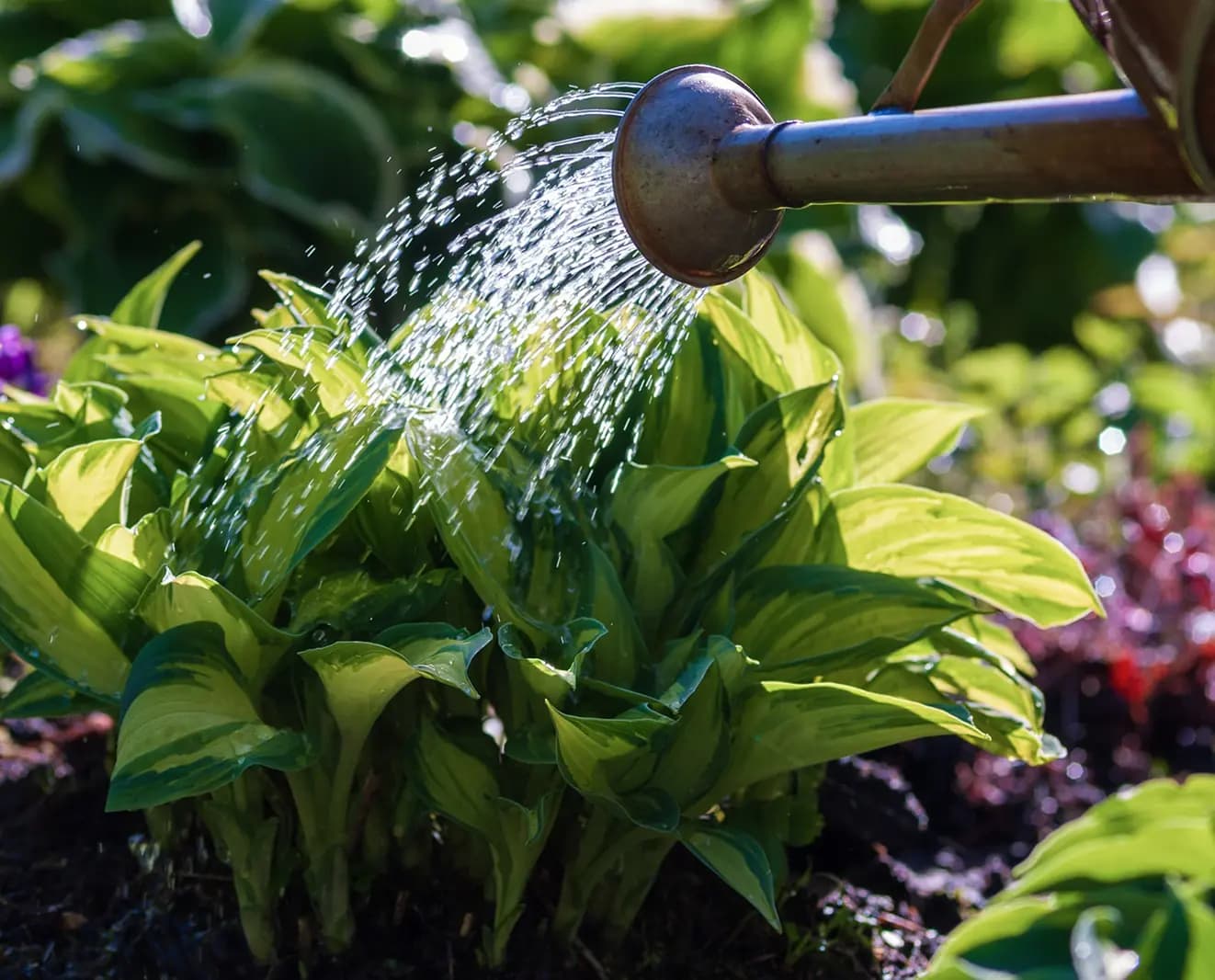
Watering a plant with a copper watering can
How to Plant Pumpkin Seeds for a Fall Harvest and Grow Your Own Patch

7 min read · 4 Nov 2026

How to Plant Pumpkin Seeds for a Fall Harvest and Grow Your Own Patch

A backyard pumpkin patch starts months before the first leaves turn: the harvest that ends up on the porch in October is decided by what a gardener does in late spring.

Beginner Guides
How to Plant Pumpkin Seeds for a Fall Harvest and Grow Your Own Patch
When to Plant Hydrangeas: Best Time by Season and Type

6 min read · 30 Oct 2026

When to Plant Hydrangeas: Best Time by Season and Type

Hydrangeas grow best when you plant them in cool weather. This guide explains when to plant hydrangeas in your area, compares fall and spring planting seasons, and shows the right steps for each type.

Beginner Guides
When to Plant Hydrangeas: Best Time by Season and Type
Planting Grass Seed in Summer – What Works and What Fails

7 min read · 6 Aug 2026

Planting Grass Seed in Summer – What Works and What Fails

Summer seeding succeeds when the grass type suits the season, and the soil stays moist. Find out how to prepare the seedbed and choose a safe window for planting.

Plant Care
Planting Grass Seed in Summer – What Works and What Fails