Cool-season water demand
Schlumbergera truncata does most of its growth and flowering in cool, short-day months and therefore needs its most consistent moisture in fall and early winter, unlike many houseplants that slow water use at this time.


This page explains when, how often, and how much to water Schlumbergera truncata for steady, healthy growth.

Water Requirements
Moderate Water
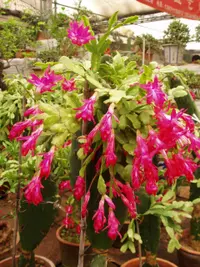
This guide to watering Thanksgiving Cactus focuses on keeping soil lightly moist, not wet or bone dry. Schlumbergera truncata comes from humid, rocky forests, where moisture is steady but drains quickly. Indoors, treat it as a moisture-loving succulent that dislikes long dry spells.
Aim for a balance: let the top layer lose some moisture, then rehydrate before the root zone dries completely. This overview sets the baseline before adjusting watering to your home’s light, temperature, and potting mix.
Water when the top 1–2 inches (3–5 cm) of soil feel dry and the pot feels noticeably lighter. This typically means watering about every 1–2 weeks in moderate indoor light. Cooler rooms or lower light extend the interval, while warm, bright conditions shorten it, especially during active growth.
Water Thanksgiving cactus when the top 1-2 inches (3-5 cm) of potting mix feel dry, using a slow, thorough approach.
Incorrect moisture levels can stress Schlumbergera truncata and trigger several avoidable growth and health problems.
Flattened, drooping stem segments usually signal prolonged dryness or compact soil restricting quick rehydration.
Pale, glassy pads often indicate chronic overwatering that reduces oxygen around the roots.
Healthy-looking segments suddenly falling off typically result from rapid swings between very dry and saturated soil.
Soft, dark roots with sour odor point to waterlogged mix and developing root rot.
Keep roots evenly moist in a free-draining mix, avoiding both deep drought and lingering saturation.
Unsuitable watering habits disrupt Schlumbergera truncata’s shallow roots and moisture balance, leaving Thanksgiving cactus stressed and more disease-prone.
Aim for evenly moist, never waterlogged soil, using responsive watering based on actual dryness in a well-drained, airy potting setup.

Plant Water Guide
Learn how much water your plant needs and keep its routine on track
Use Botan for a simple watering guide and practical care steps for Schlumbergera truncata, plus gentle photo-based checkups that can highlight early leaf, stem, or root problems.
Schlumbergera truncata does most of its growth and flowering in cool, short-day months and therefore needs its most consistent moisture in fall and early winter, unlike many houseplants that slow water use at this time.
In its native Brazilian cloud forests, Schlumbergera truncata often grows on trees or rocks, using flattened stem segments to intercept frequent mist and light rain rather than relying on deep soil moisture.
This species has fine, shallow roots adapted to thin moss and leaf litter layers, so it is sensitive to waterlogged, heavy potting mixes and prefers quick-draining media that can be watered thoroughly and then dry slightly between waterings.
Frequency depends on light, temperature, and potting mix. In active growth, water when the top 1–2 inches of soil feel dry. In cooler, lower-light periods, how often to water decreases, sometimes to every 2–3 weeks.
Botan reviews your plant’s watering pattern to support healthier moisture habits over time.
8 min read · 17 Sept 2026
Some plants thrive in dim rooms, shaded corners, and places with indirect light. In this guide, you’ll explore the top 15 species best suited to low-light conditions and how to care for them.
10 min read · 25 Aug 2026
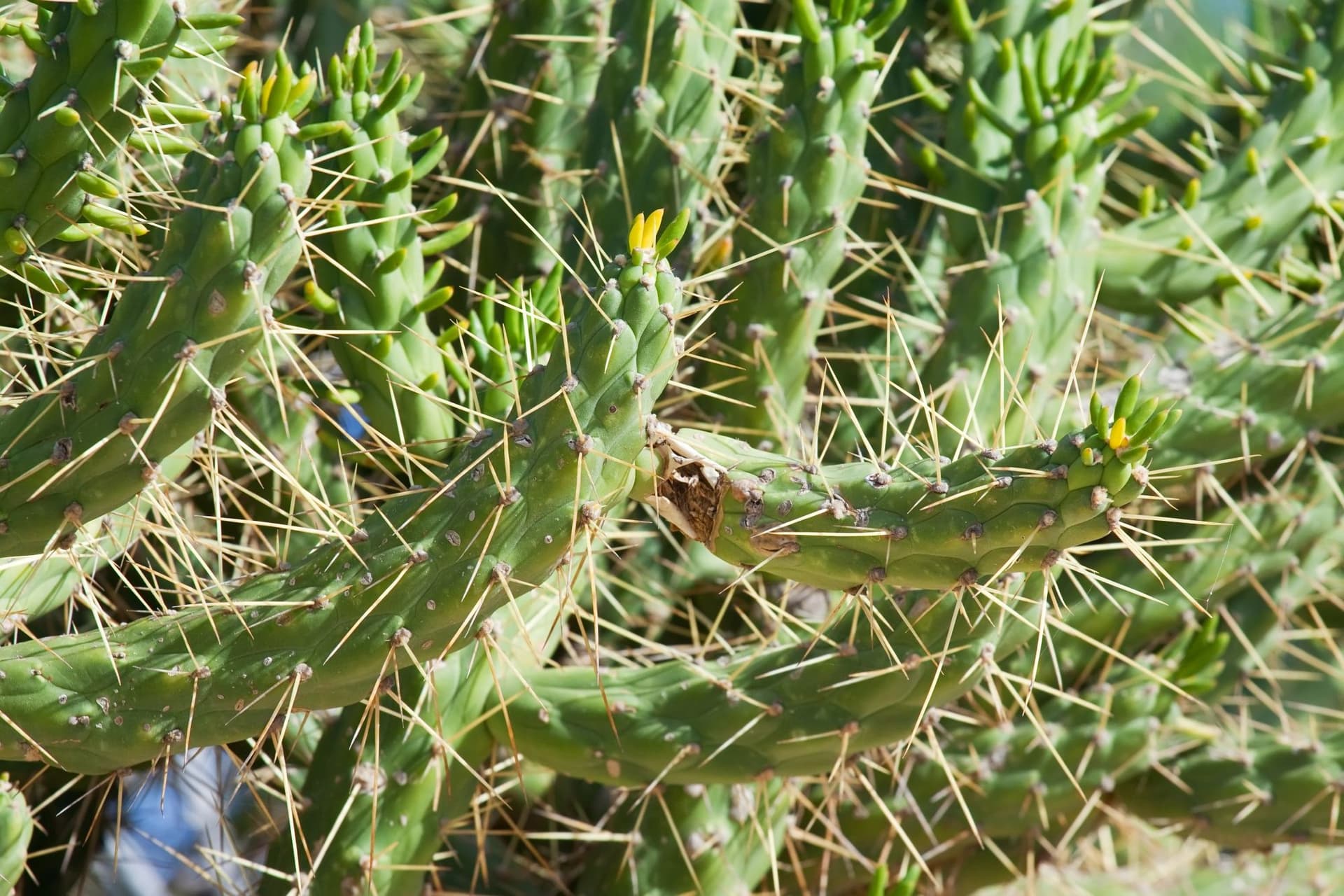
Many plants defend themselves with sharp thorns. This guide explores over 20 examples among flowers, shrubs, trees, and vines. You'll learn what each plant looks like, why it grows thorns, and how to quickly identify them.
8 min read · 9 Oct 2026
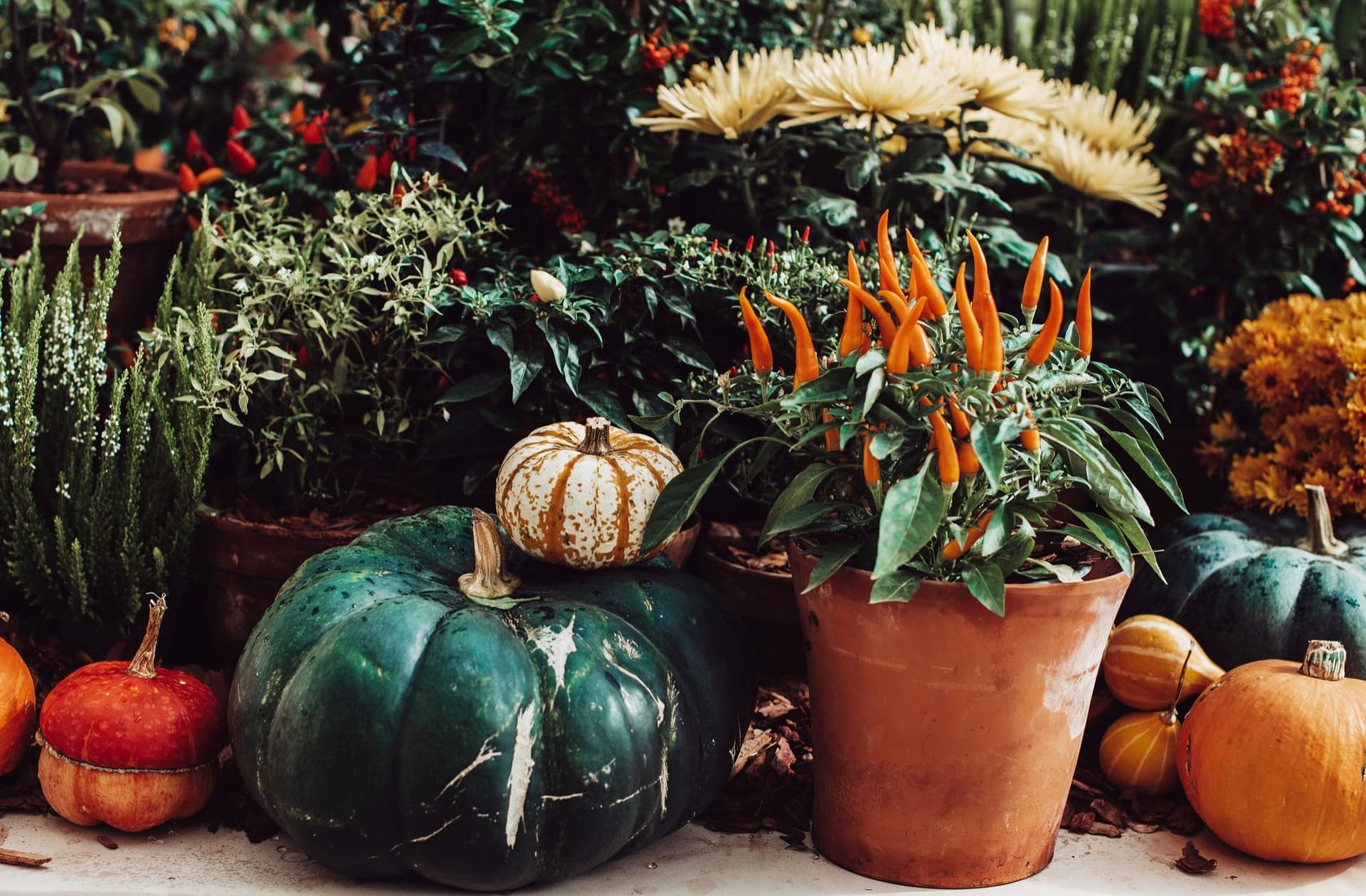
Want a garden that looks eerie in October? Here are 15 Halloween plants and fungi, from carnivorous traps to bleeding mushrooms. For each species, we cover its appearance, care requirements, and potential uses in your landscape.