










Best Soil for Thanksgiving Cactus (Schlumbergera truncata)

A loose, organic-rich mix helps Schlumbergera truncata maintain healthy roots by balancing steady moisture with strong drainage and airflow.

Soil Texture

Loamy, Peaty, Organic-rich

Soil pH

Acidic (5.5–6.5), Slightly acidic (6.5–7.0)

Soil Drainage

Moist but well-drained

Schlumbergera truncata Soil Guide

Native to the coastal mountains of southeastern Brazil, Schlumbergera truncata grows in humid forests rather than dry desert ground. In nature, it often settles into pockets of leaf litter and decaying organic matter, where roots get steady moisture, moving air, and quick drainage.

That background explains the best soil for Thanksgiving Cactus: loose, organic-rich, and slightly acidic to near neutral. Its roots are relatively fine and benefit from a mix that holds some moisture without staying soggy, while a loamy, airy texture helps oxygen reach the root zone.

A homemade mix can give Schlumbergera truncata the balance of air and moisture its roots handle best in containers.

100% total mix = 20 scoops
10%
compost2 scoops
20%
perlite or pumice4 scoops
30%
fine orchid bark6 scoops
40%
peat moss or coco coir8 scoops

The finished blend should feel springy and crumbly, hold some moisture, and let extra water pass through without becoming heavy or compacted.

Thanksgiving Cactus grows best in slightly acidic to mildly acidic soil, around 5.5–6.5 pH. In that range, key nutrients stay more available to the roots and are less likely to become chemically tied up in the mix.

It can usually tolerate a slightly broader range near neutral, but growth is often steadier when the pH stays a bit acidic rather than alkaline.

This species is more sensitive to stale, airless root conditions than many growers expect. Check the mix when growth seems off, since soil may be part of the issue.

Compacted mix:

Compacted mix: Soil that feels tight, hard, or slow to absorb water may be limiting oxygen, so gently loosen the surface and plan to replace the mix if it stays dense.

Soggy root zone:

Soggy root zone: A mix that stays wet for a long time can stress roots, so reduce trapped moisture by improving drainage and removing any standing water from saucers.

Dry, shrinking soil:

Dry, shrinking soil: If the mix pulls away from the pot edges, it may be resisting moisture, so rehydrate it evenly and check whether the medium has broken down too far.

Debris buildup:

Debris buildup: Old fallen segments or surface buildup can hold excess moisture and invite fungus gnats, so clear the top layer and keep the soil surface clean.

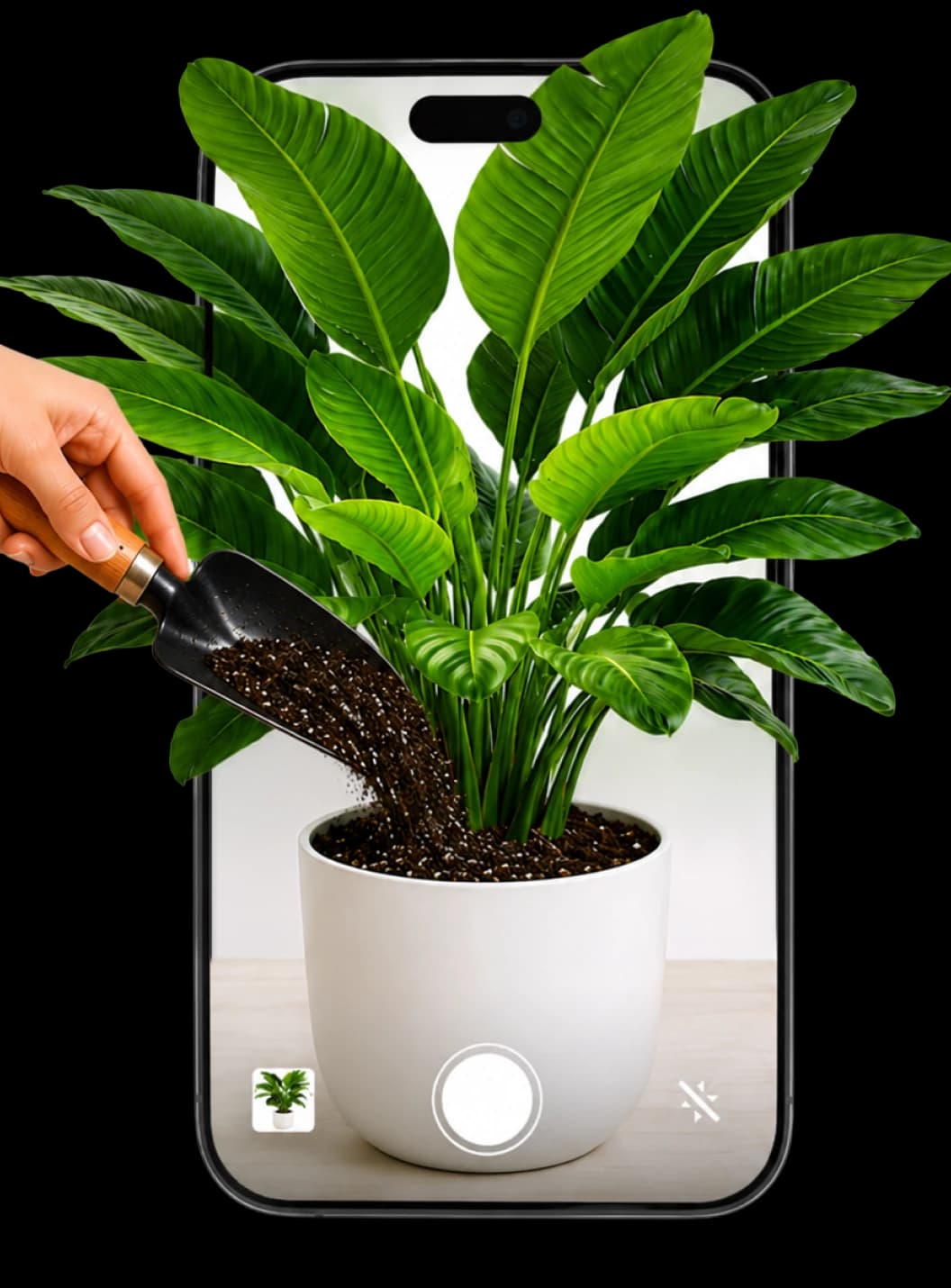
Scan for Soil Tips

Botan can help identify the plant and guide a more suitable soil choice based on how this species typically grows in containers.

FAQ

Yes. Drainage holes help excess water leave the pot so the root zone stays better aerated. That matters because this species prefers consistent moisture without sitting in trapped water.

More Plant Soil Guides

Soil Problem? Scan It.

Use Botan’s photo-based assessment to check whether a visible issue could be linked to soil conditions and what to review next.

Botan app helping with soil and plant care
Best Fertilizer for Vegetable Gardens – What to Use for Each Plant

11 min read · 20 Jul 2026

Best Fertilizer for Vegetable Gardens – What to Use for Each Plant

Here, you’ll find the right fertilizer formula for vegetables in your garden. Learn how to adjust feeding correctly throughout the growing cycle, spot nutrient deficiencies by their symptoms, and keep your plants healthy and prolific.

Plant Recommendations
Best Fertilizer for Vegetable Gardens – What to Use for Each Plant
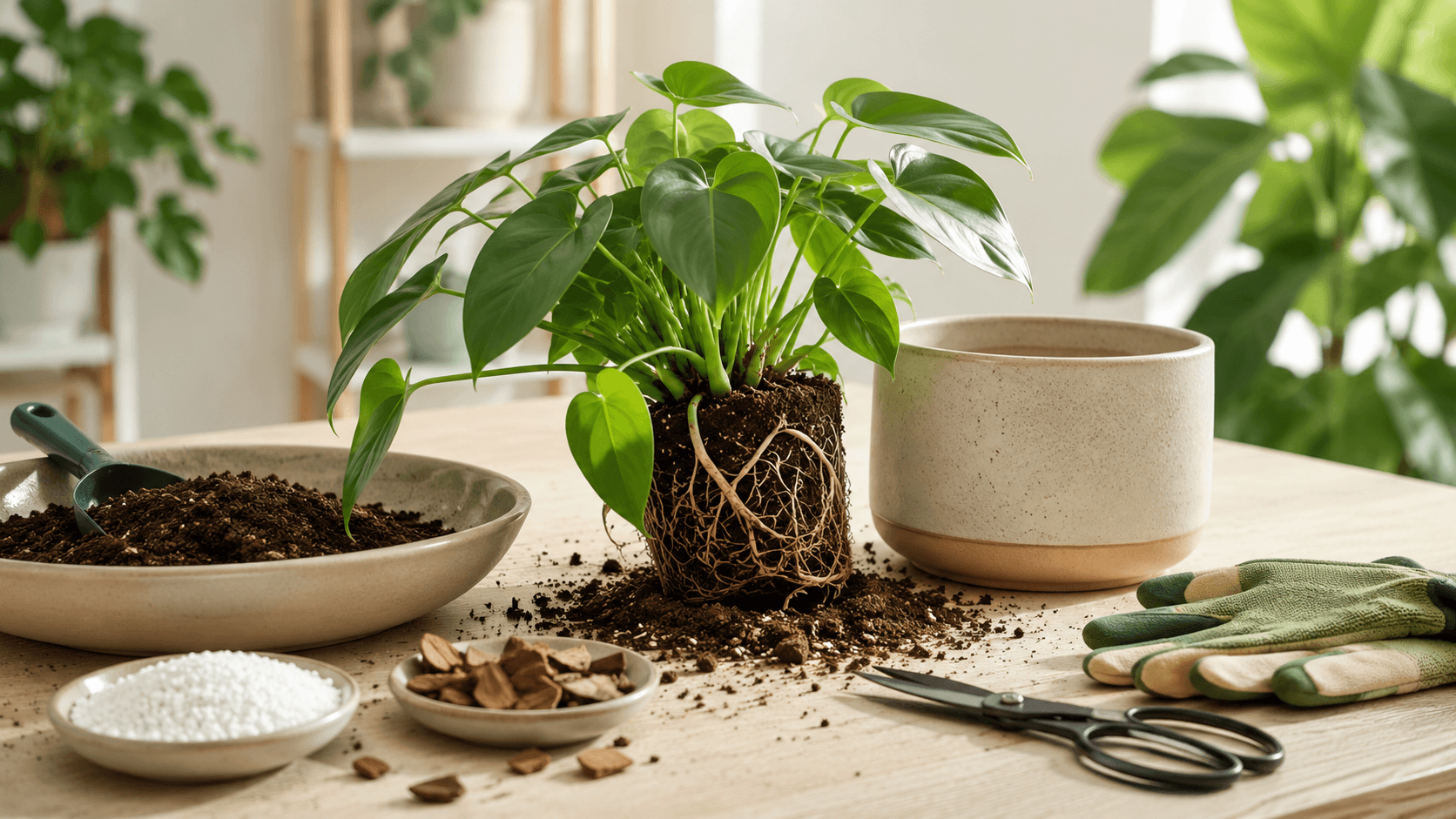
How to Repot a Plant: A Step-by-Step Guide

7 min read · 28 May 2026

How to Repot a Plant: A Step-by-Step Guide

In spring, many plants need repotting—an essential part of care. To avoid stress, consider the plant’s type and size. This article offers a step-by-step guide for repotting indoors or outdoors and shows how to check plant health and get care tips using the Botan app.

Plant Care
How to Repot a Plant: A Step-by-Step Guide
10 Easy Garden Flowers to Grow

8 min read · 10 Sept 2026

10 Easy Garden Flowers to Grow

Discover 10 garden flowers that require minimal care. Learn which characteristics make plants easy to grow and follow tips on how to create a beautiful corner from beginner-friendly blooms on your property.

Beginner Guides
10 Easy Garden Flowers to Grow