6 min read · 19 Aug 2026
How to Tell if a Plant Is Dead
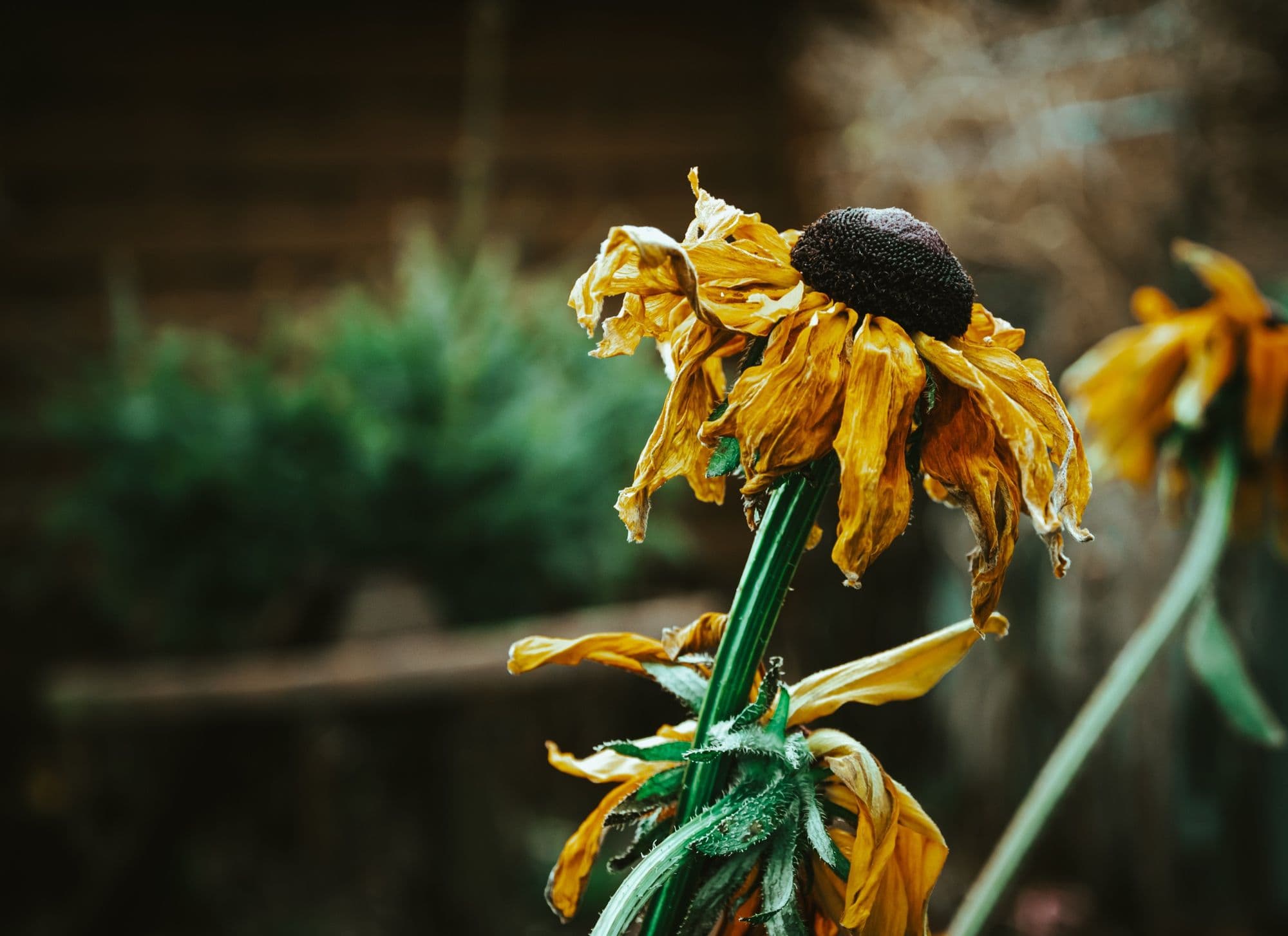
A plant can lose its leaves, stop growing, or collapse and still remain alive. A closer look at the stems, roots, bulbs, and tubers can show whether the plant still has a chance to recover.
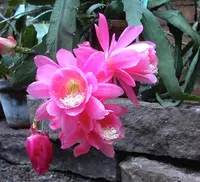
A loose, organic-rich, well-drained mix helps Disocactus phyllanthoides maintain healthy roots while still holding enough moisture for steady growth.

Soil Texture
Sandy, Loamy, Organic-rich

Soil pH
Acidic (5.5–6.5), Slightly acidic (6.5–7.0)

Soil Drainage
Well-drained

Native to Mexico, this species grows in warm forests where roots anchor into loose, airy organic debris and fast-draining pockets rather than dense ground. That habitat helps explain why Disocactus phyllanthoides prefers a substrate that stays lightly moist but never heavy or compacted.
The best soil for Cactus is loose, well-aerated, and rich enough to hold some moisture while still draining quickly. Its roots are relatively fine and benefit from oxygen around them, so a sandy, loamy texture with organic content suits steady uptake without trapping excess water.

A homemade mix gives better control over texture and drainage for Disocactus phyllanthoides. The goal is balance, not a harsh, dry blend.
The finished blend should feel springy, crumbly, and open, with quick runoff and a little moisture left behind for the root zone.
A slightly acidic to near-neutral range of about 5.5–7.0 suits Cactus well. Within that range, key nutrients stay more available to the roots without pushing the mix too far toward acidity or alkalinity.
Disocactus phyllanthoides is not known for needing an unusually narrow target, but staying close to mildly acidic conditions supports steadier nutrient uptake over time.
This species can react poorly when the root zone stays stale or compressed for long periods. Checking the mix early often prevents bigger setbacks.
Dense soil that stays heavy after watering can limit air around roots, so loosen the top layer gently and plan to switch to a more open mix.
If the pot feels damp for many days, excess moisture may be lingering around roots, so improve airflow and review whether drainage is moving freely.
Old organic matter can shrink and repel water, leaving some areas dry while others soak, so re-wet the mix gradually and evenly.
A crust on the surface or pot rim can point to mineral accumulation, so flush the soil thoroughly once and monitor for repeat buildup.
Persistent tiny flies around Cactus soil often suggest overly moist organic material, so let the upper layer dry a bit more between checks.

Plant Soil Guide
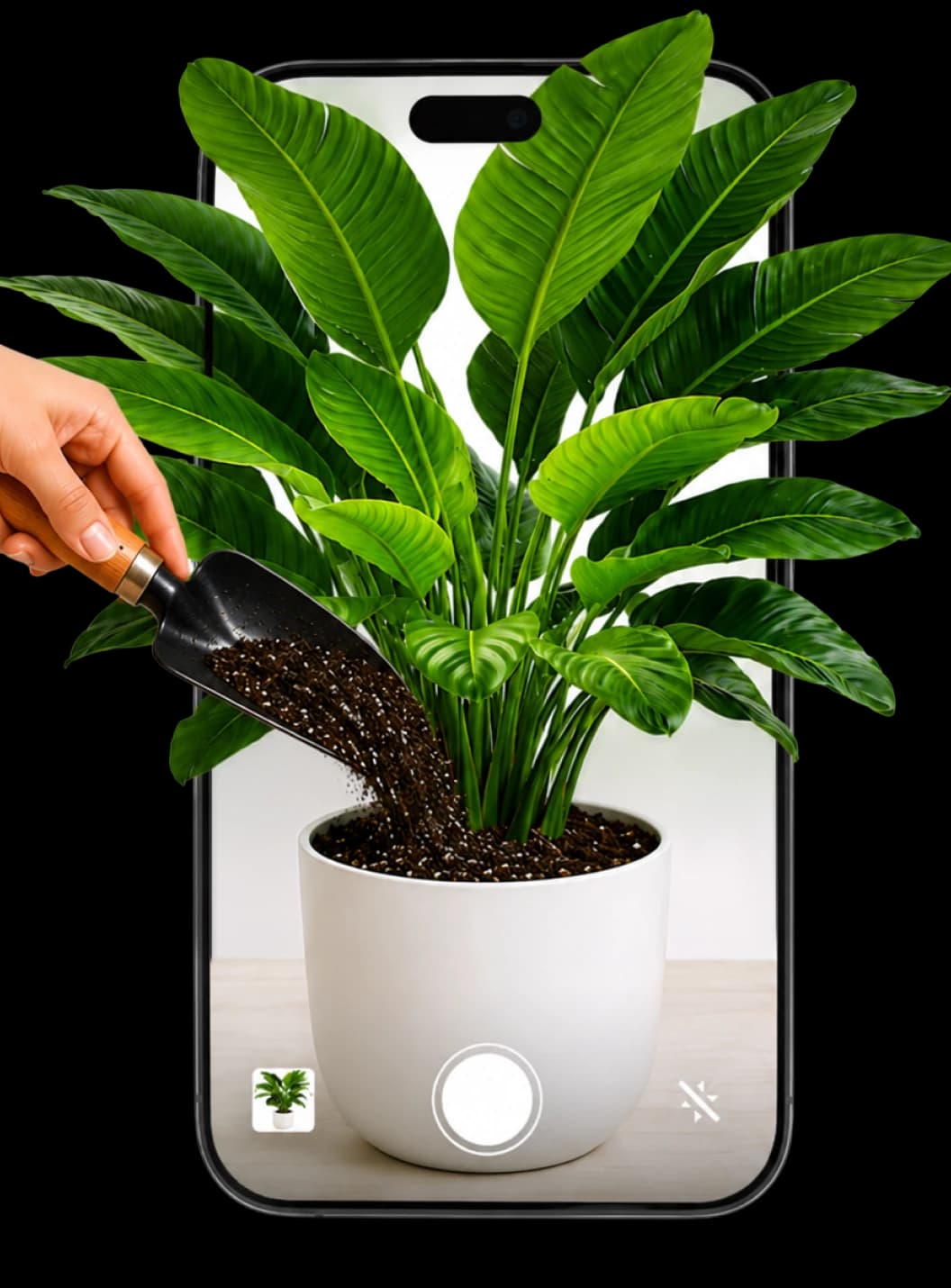
Find the right soil mix for your plant and support healthier root growth
Botan can help match this plant to a more suitable mix by comparing its growth habit and soil needs from a photo.
Yes. Drainage holes let excess water leave the container and reduce the chance of stale, airless conditions around the roots, which is especially important in an organic, fast-draining potting soil for Cactus.
Use Botan’s photo check to see whether soil conditions may be contributing to visible decline. It helps narrow down what to inspect next.


6 min read · 19 Aug 2026
A plant can lose its leaves, stop growing, or collapse and still remain alive. A closer look at the stems, roots, bulbs, and tubers can show whether the plant still has a chance to recover.

6 min read · 15 Sept 2026
Plants can grow under artificial light when the setup provides a suitable spectrum, enough intensity, and sufficient daily exposure. This guide explains how artificial lighting compares with sunlight, which options work indoors, and how to match a setup to houseplants.

6 min read · 21 Sept 2026
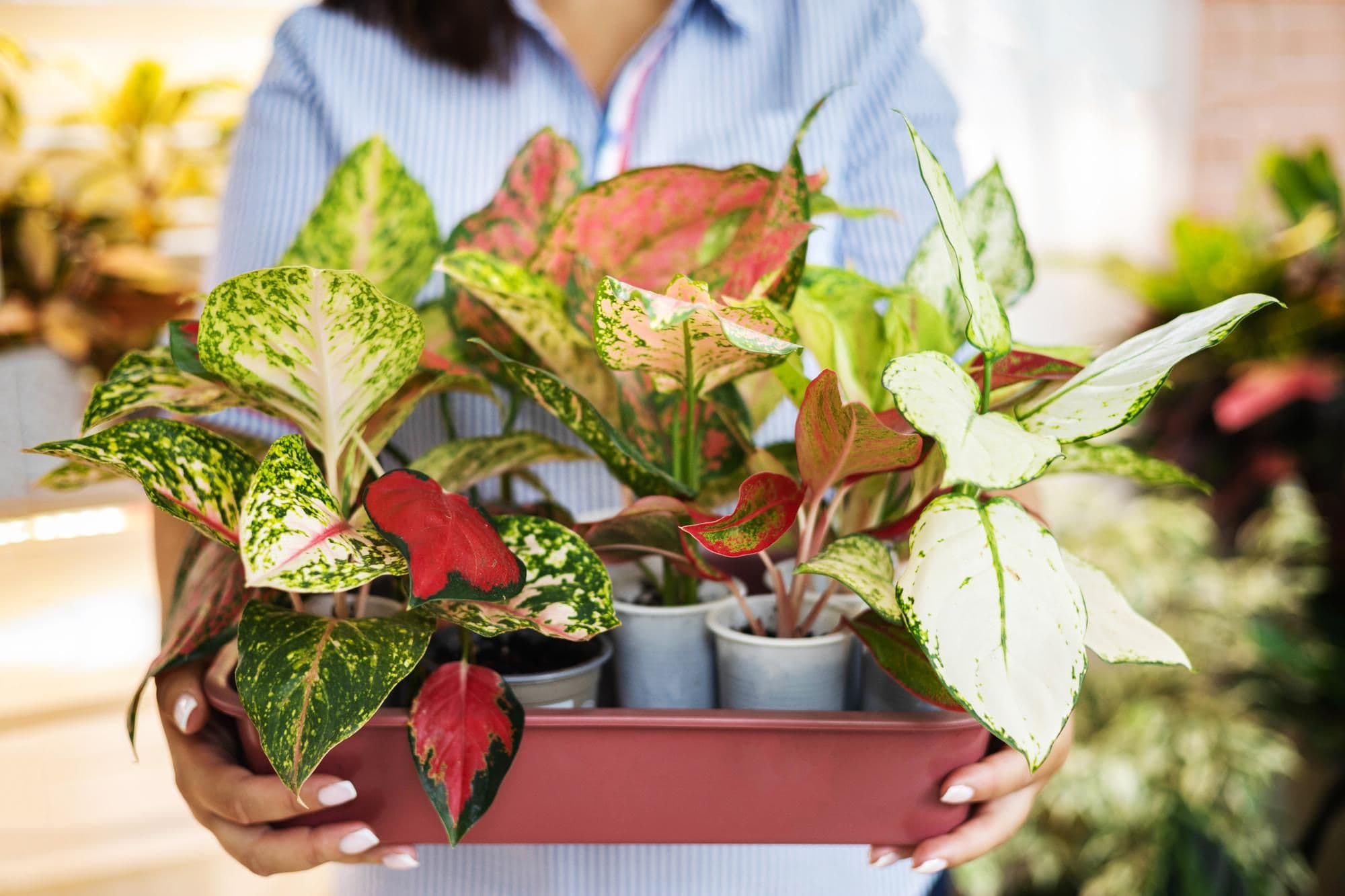
Rare houseplants can turn an ordinary corner in your apartment into a living botanical collection. This guide covers 12 most admired picks, what makes them special, and how to grow them successfully at home.