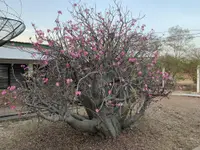
Best Soil for Desert Rose (Adenium obesum)

Adenium obesum grows best in a gritty, fast-draining mix that supports root health and limits stale, airless conditions.

Soil Texture

Sandy, Loamy, Rocky

Soil pH

Slightly acidic (6.5–7.0), Neutral (7.0)

Soil Drainage

Well-drained

Adenium obesum Soil Guide

Native to dry parts of Africa and the Arabian Peninsula, Adenium obesum grows in hot, open landscapes with sandy, rocky, fast-draining ground. Those conditions explain why it prefers a mineral, airy substrate that dries fairly quickly instead of staying dense or damp.

Its swollen caudex and roots store water, so the best soil for Desert Rose should hold enough moisture for short-term use but release excess water fast. A loose sandy or loamy texture with good airflow around the roots supports steady growth and helps prevent prolonged wetness.


A simple homemade mix gives Adenium obesum the open root zone it prefers in containers. Aim for a blend that stays airy instead of compacting.

100% total mix = 20 scoops
15%
small gravel or chicken grit3 scoops
20%
coarse sand4 scoops
30%
pumice or perlite6 scoops
35%
coarse potting soil7 scoops

The finished blend should feel gritty and loose, with water moving through quickly rather than lingering around the roots.

A slightly acidic to neutral range of about 6.5–7.0 suits Desert Rose well. In that range, key nutrients stay more available without pushing the root zone too far toward acidity or alkalinity.

This species can handle a fairly narrow shift around neutral, but a balanced pH helps avoid nutrient tie-up, which means minerals in the mix remain easier for roots to absorb.

This species is especially sensitive to stale conditions around the root zone. When growth looks off, soil may be one factor worth checking.

Compacted mix:

Compacted mix: if the surface hardens and water stops moving through evenly, gently loosen the top layer and plan to replace the medium with a more open one.

Staying wet too long:

Staying wet too long: if the container feels heavy for many days, improve airflow around the root zone and check that excess moisture can leave freely.

Salt buildup:

Salt buildup: a white crust on the surface or pot rim can point to mineral residue, so scrape it away and flush the mix thoroughly once conditions allow.

Old degraded soil:

Old degraded soil: when the medium shrinks, sinks, or turns dusty and uneven, refresh it so roots are sitting in a more stable structure.

Match Plant to Soil

Botan helps match this plant to a more suitable growing medium based on its growth habit, container setup, and care conditions.

FAQ

Yes. A pot that is too deep can leave excess mix below the roots holding moisture longer than needed. Choose a container depth that fits the root system with only modest extra room.

Everything About Desert Rose

More Plant Soil Guides

Scan for Soil Problems

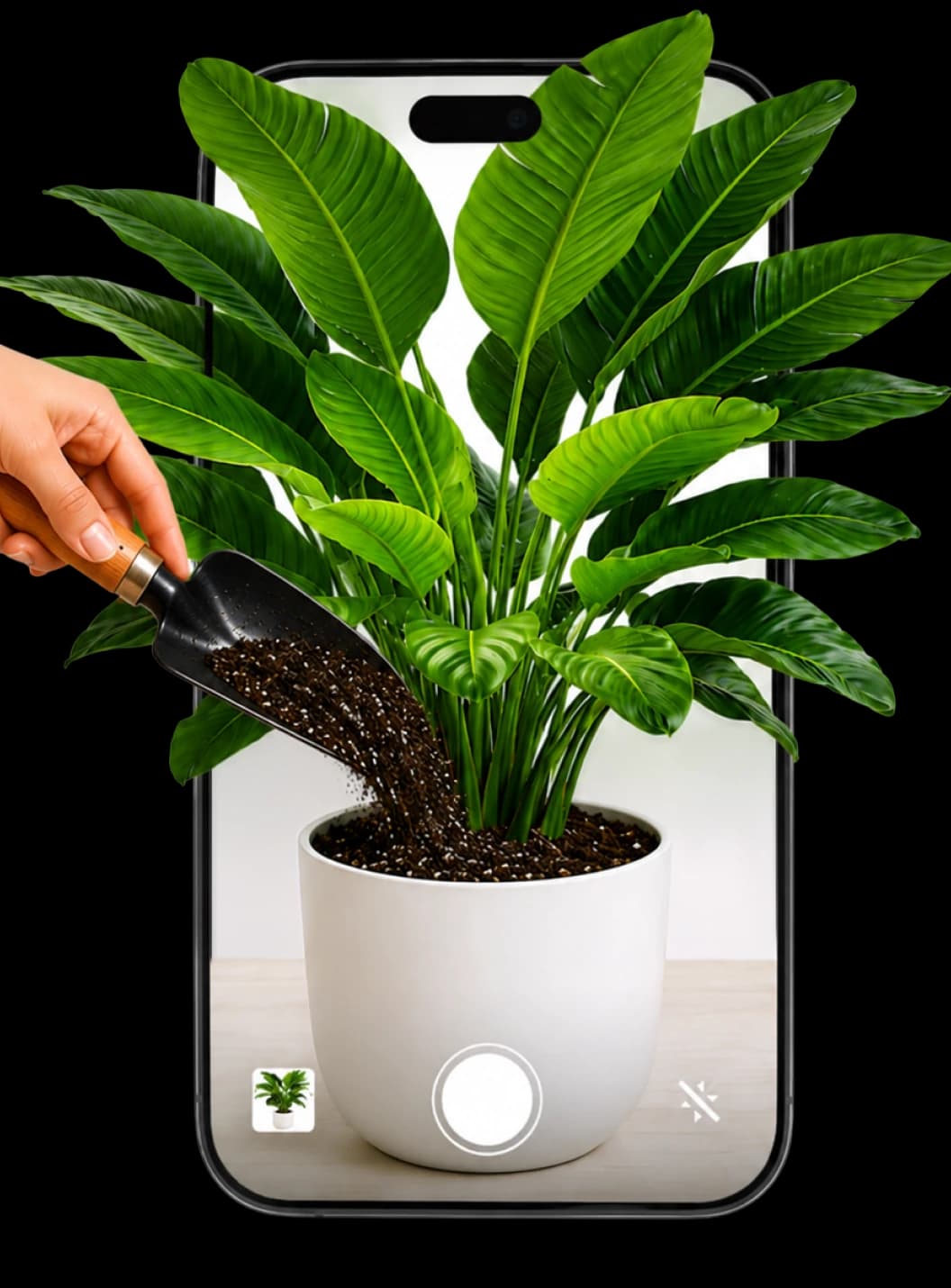
Botan can help review visible issues in a photo and show whether soil conditions may be one factor to check.

Botan app helping with soil and plant care
20 Funny Plant Names That Make You Laugh

8 min read · 16 Oct 2026

20 Funny Plant Names That Make You Laugh

Some plants carry names that sound like jokes. This guide explains the origins of 20 funny plant names. You will also see which of these plants you can grow at home.

Plant Recommendations
20 Funny Plant Names That Make You Laugh
Is Sugar Water Good for Plants?

4 min read · 14 Sept 2026

Is Sugar Water Good for Plants?

Sugar water may sound like an easy boost, but most rooted plants do not need extra sucrose. This guide explains how green tissues produce carbohydrates, when a sweetened solution can be useful, and why too much can cause problems.

Plant Care
Is Sugar Water Good for Plants?
How to Use a Moisture Meter for Plants

5 min read · 4 Sept 2026

How to Use a Moisture Meter for Plants

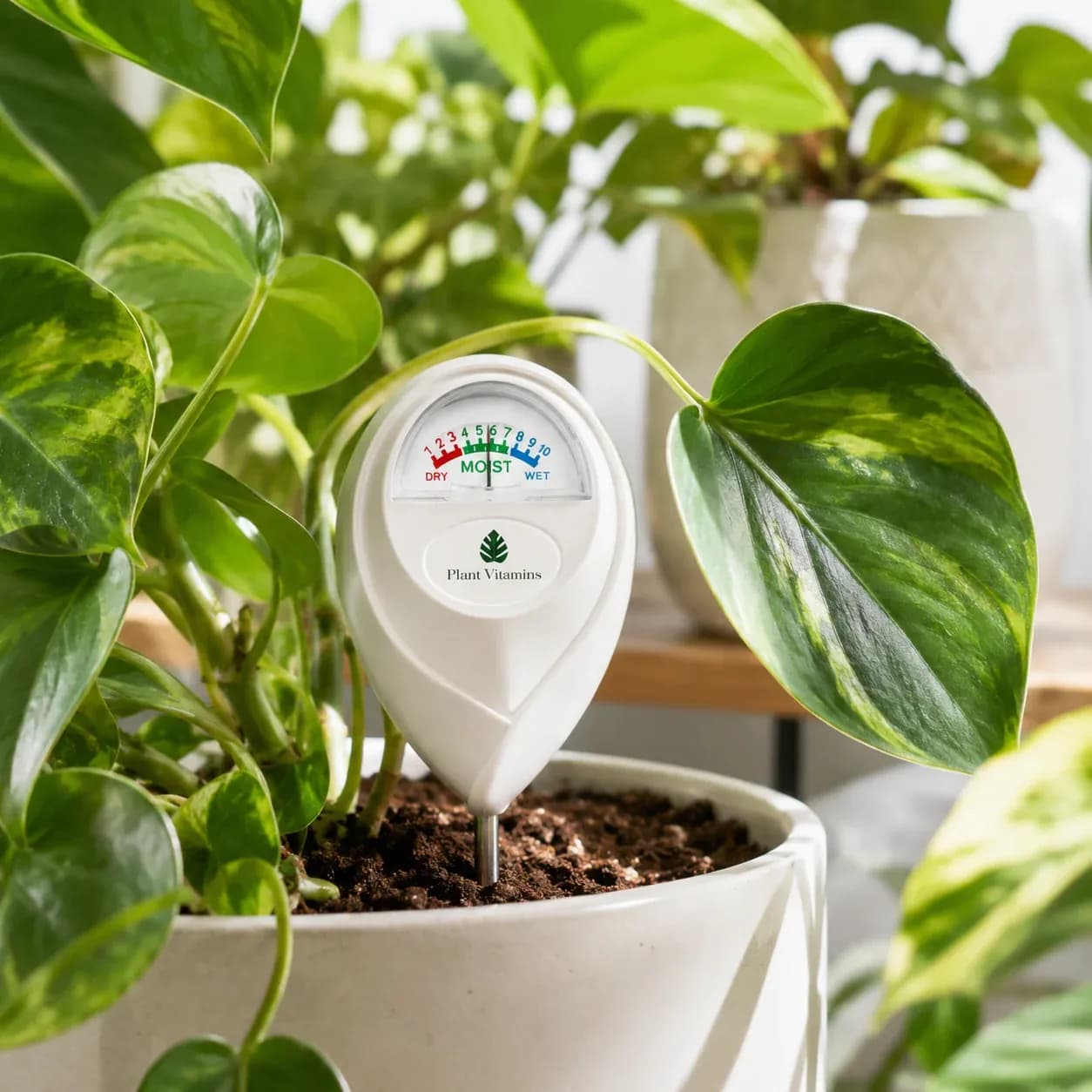
Watering by feel kills plenty of houseplants. A moisture meter checks the soil for you, and takes the guesswork out of it. This guide will show you how to use it correctly, from the first touch to the final reading.

Beginner Guides
How to Use a Moisture Meter for Plants