Swollen caudex reservoir
The thickened trunk base (caudex) of Adenium obesum stores water absorbed during brief rains, allowing the plant to survive long dry periods in its native arid and semi‑arid habitats of East Africa and the Arabian Peninsula.


This page explains when, how often, and how much to water Adenium obesum so it stays properly hydrated.

Water Requirements
Low Water
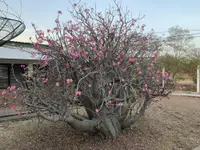
Native to arid regions, this succulent shrub comes from places with dry soil and brief seasonal rainfall. Adenium obesum prefers soil that dries between waterings rather than staying consistently moist.
Indoors, watering Desert Rose centers on letting the mix dry more thoroughly; outdoors, plants may need slightly more frequent attention. This section outlines the basic mindset for watering Desert Rose before more specific guidance later.
Water when the top 1–2 inches (3–5 cm) of soil feel completely dry and the pot feels noticeably lighter. In warm, bright indoor conditions, Adenium obesum typically needs water about every 10–21 days, with shorter intervals in very hot outdoor sun and longer intervals in cooler, lower-light rooms.
Water when the top 1-2 inches (3-5 cm) of soil feel dry, soaking Desert Rose deeply but briefly each time.
Incorrect moisture balance can stress Adenium obesum and trigger several avoidable growth problems indoors or outdoors.
Upper stem sections turn mushy and dark from chronic overwatering, promoting internal rot and collapse.
Swollen base looks wrinkled and sunken after prolonged dryness, indicating depleted internal water reserves.
Older leaves yellow, then fall quickly when roots sit in soggy, poorly drained soil.
Potting mix smells sour and stays wet for days, signaling suffocated roots and emerging rot.
Keep the mix fast-draining, then water deeply but infrequently, allowing thorough drying between soakings.
Unsuitable watering habits can stress Adenium obesum, weakening its thick caudex and reducing flowering and long‑term vigor.
A safer approach is fast‑draining soil, thorough but infrequent watering, and letting the mix partly dry before each watering.
Watering Advice
Learn when to water your plant and avoid common watering mistakes.
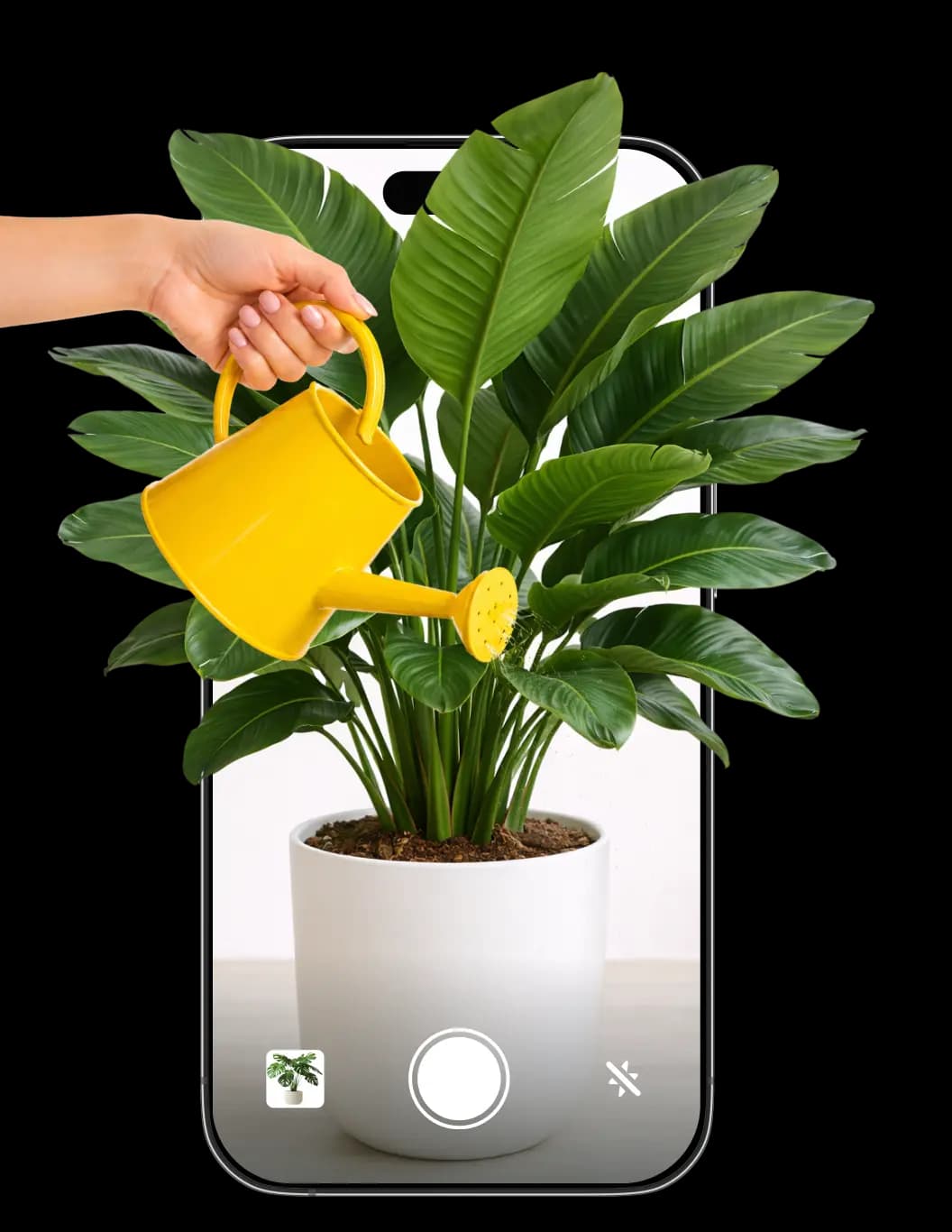
Use Botan for a clear Adenium obesum watering routine and practical care steps, plus gentle photo-based checks that can help flag early signs of stress or other issues.
The thickened trunk base (caudex) of Adenium obesum stores water absorbed during brief rains, allowing the plant to survive long dry periods in its native arid and semi‑arid habitats of East Africa and the Arabian Peninsula.
In habitat, Adenium obesum often sheds many or all leaves during extended drought, reducing water loss through transpiration and entering a semi-dormant state until rainfall returns.
Field observations in its native range show that Adenium obesum often produces strong flowering flushes following seasonal rains, when increased soil moisture briefly supports rapid growth before conditions dry again.
Unpot the plant, gently remove wet soil, and trim any black, mushy roots. Let roots dry several hours, then repot in fast-draining cactus mix. Water lightly and allow the mix to fully dry before watering again.
Botan reviews your watering pattern and highlights when adjustments may be helpful.
8 min read · 16 Oct 2026
Some plants carry names that sound like jokes. This guide explains the origins of 20 funny plant names. You will also see which of these plants you can grow at home.
4 min read · 14 Sept 2026
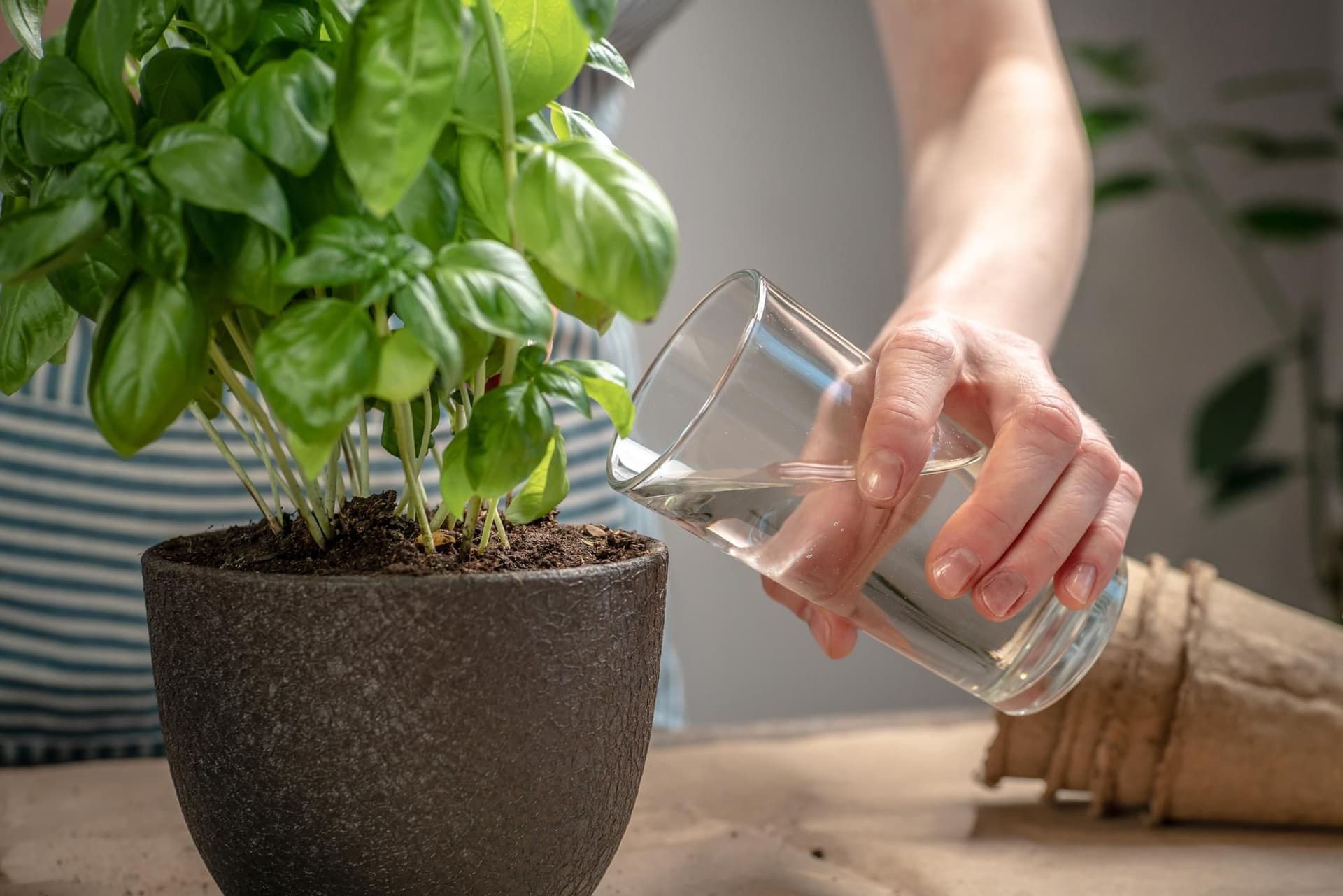
Sugar water may sound like an easy boost, but most rooted plants do not need extra sucrose. This guide explains how green tissues produce carbohydrates, when a sweetened solution can be useful, and why too much can cause problems.
5 min read · 4 Sept 2026
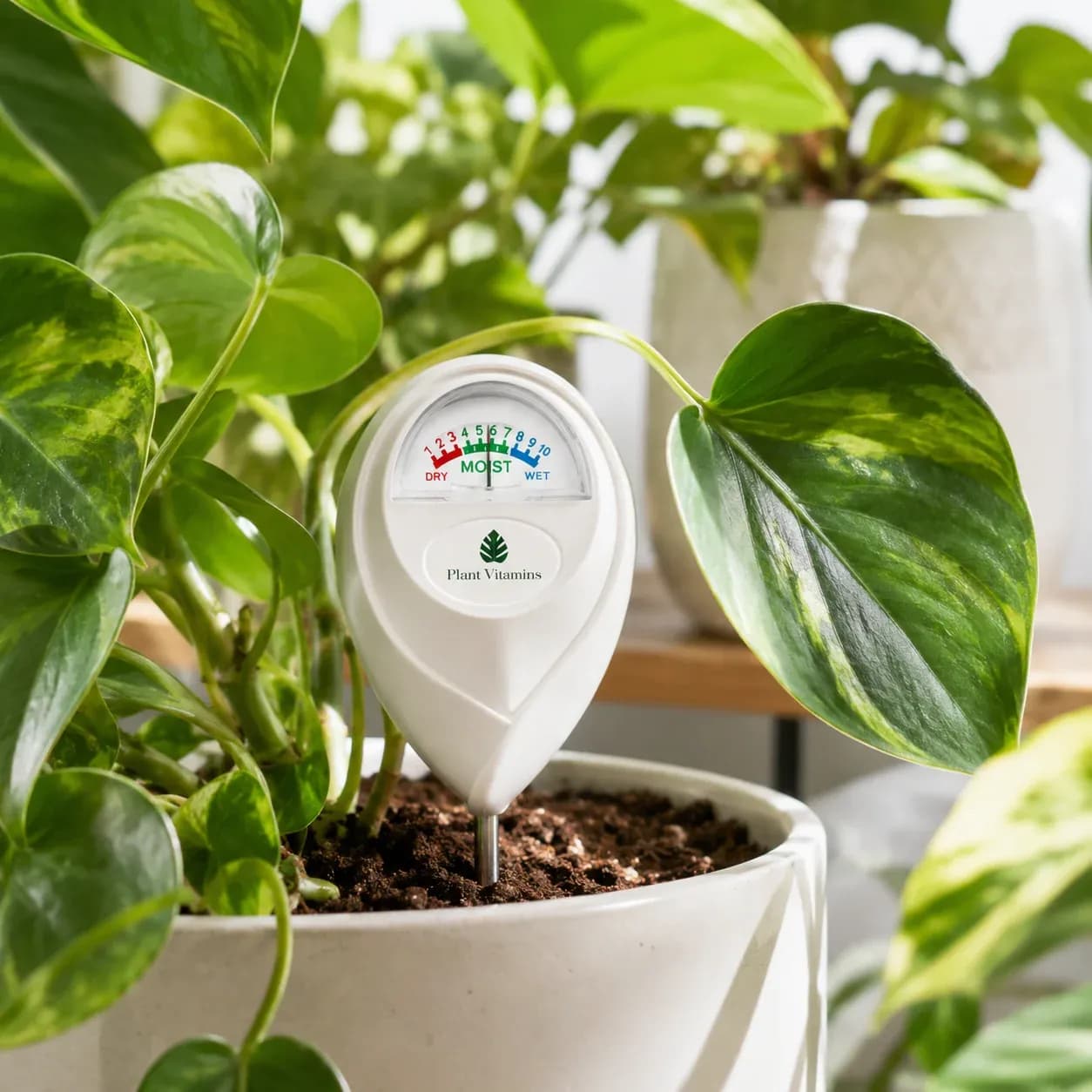
Watering by feel kills plenty of houseplants. A moisture meter checks the soil for you, and takes the guesswork out of it. This guide will show you how to use it correctly, from the first touch to the final reading.