Golden Pothos (Epipremnum aureum) Watering Guide

This guide explains when, how often, and how much to water Epipremnum aureum for steady, healthy growth.

Water Requirements

Moderate Water

Epipremnum aureum Watering

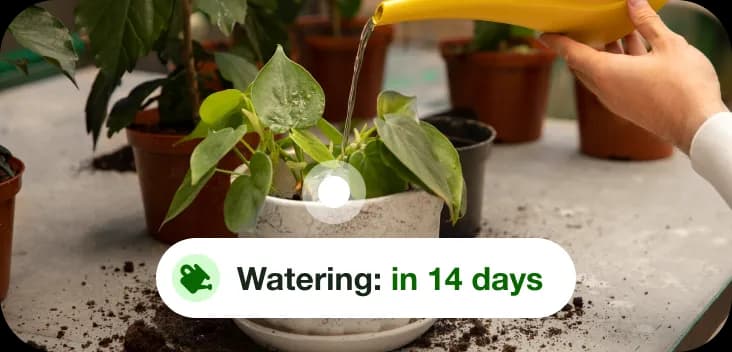
Native to humid tropical forests, pothos prefers slight, steady moisture rather than soggy or bone-dry soil. Indoors, watering Golden Pothos centers on letting the top layer lose some moisture before re-wetting the root zone.

Epipremnum aureum in containers usually needs closer attention than outdoor, soil-planted vines. Think of watering as gently matching its naturally damp, not soaked, habitat, setting the stage for more specific guidelines later.

Water when the top 1–2 inches (3–5 cm) of soil feel dry, rather than on a fixed schedule. Golden pothos typically needs water about every 7–10 days indoors, but low light or cooler rooms can extend this to longer intervals. In brighter, warmer spots, it may dry faster.

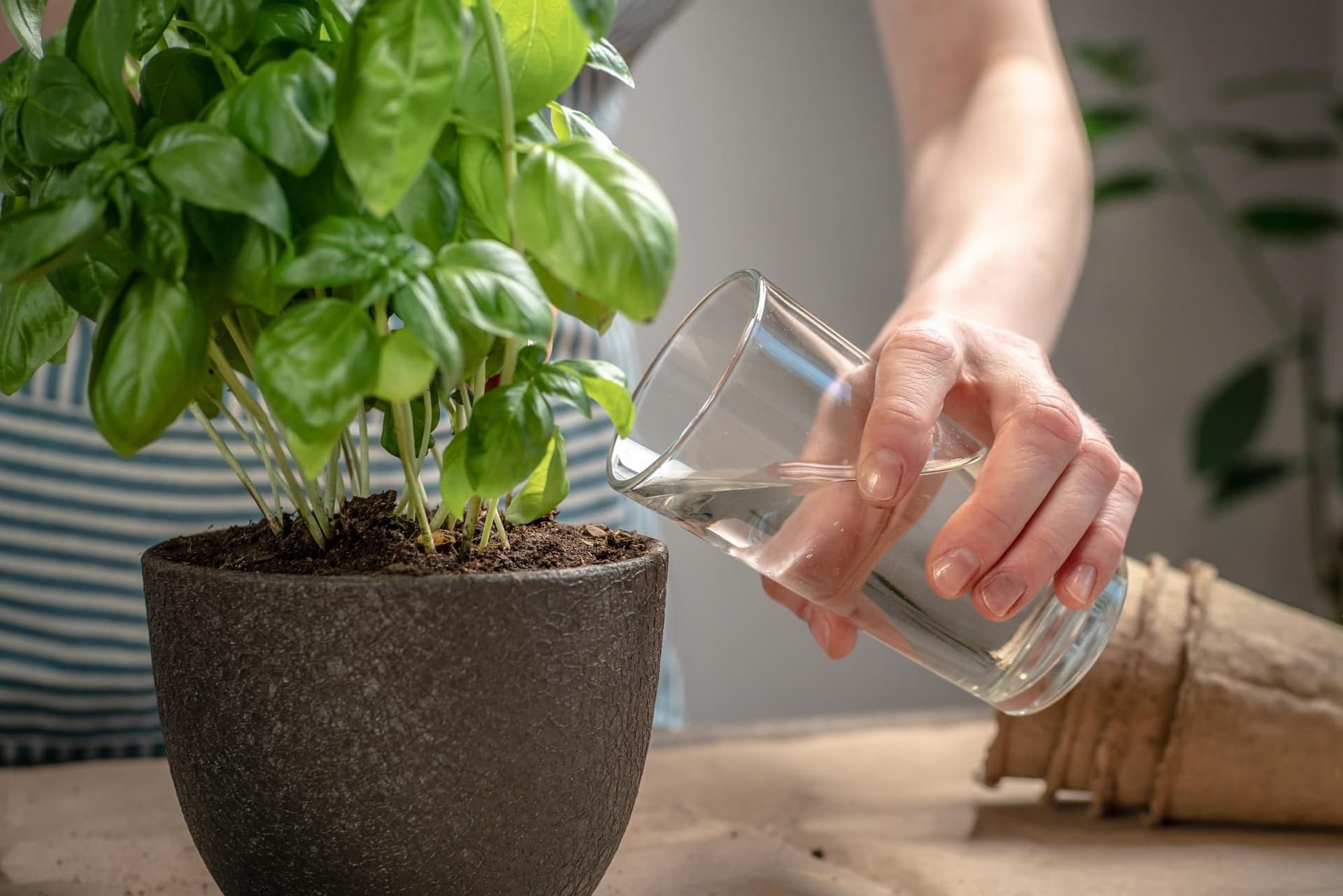
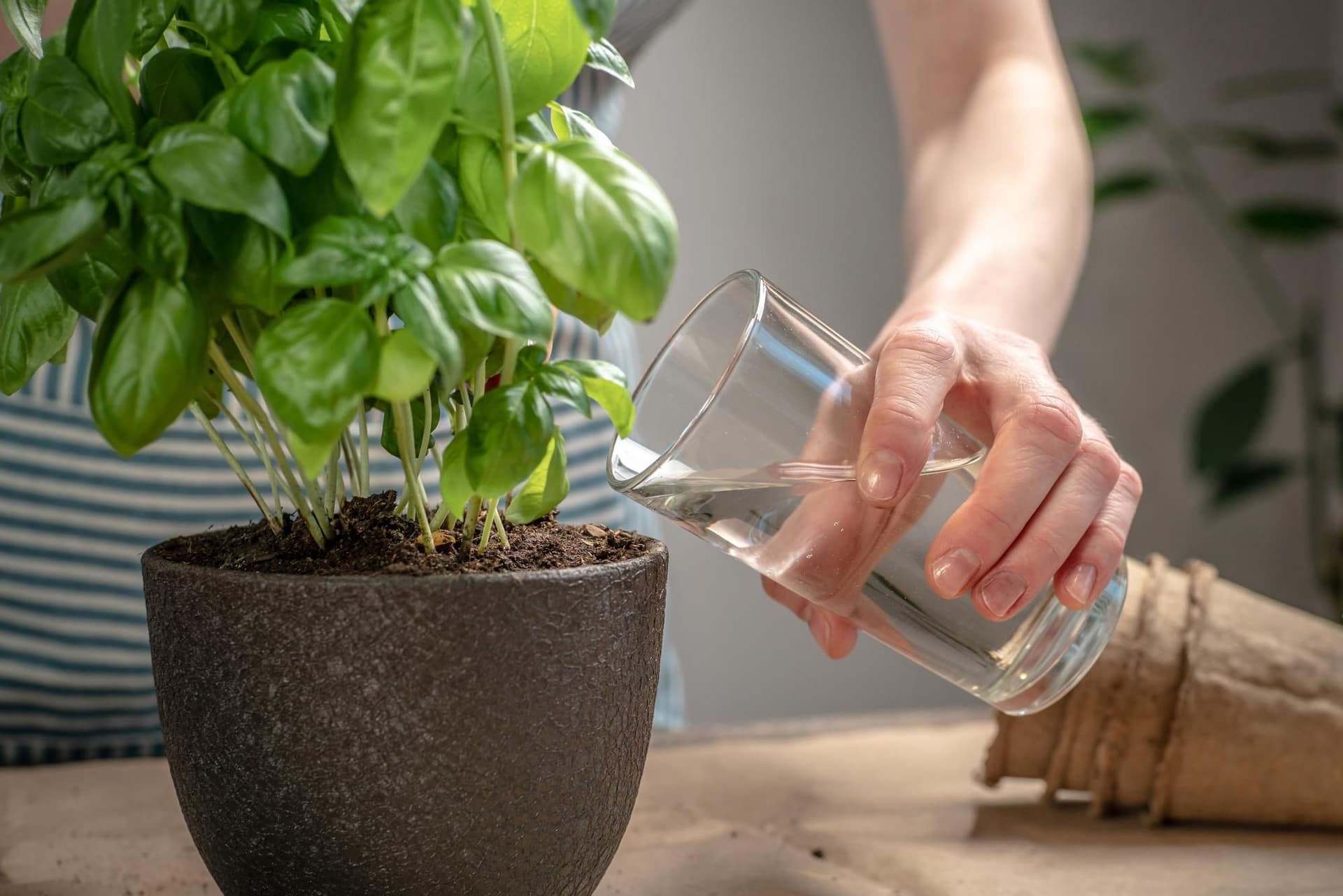
Water Golden Pothos when the top 1-2 inches (3-5 cm) of soil feel dry, using slow, even watering.

  • Pour room-temperature water over the soil surface near the base, avoiding stems and leaves to reduce lingering moisture aboveground.
  • Move the stream of water around the pot so the entire root zone is evenly soaked, not just one side.
  • Continue adding water until it flows freely from the drainage holes, confirming the full soil column is thoroughly moistened.
  • Let excess water drain for several minutes, then empty saucers or cachepots so the container does not sit in standing water.

Incorrect moisture around Epipremnum aureum roots often leads to preventable stress and decline indoors.

Yellowing Lower Leaves:

Older leaves turn uniform yellow and drop when soil stays wet too long between waterings.

Blackened Mushy Roots:

Roots feel soft, dark, and foul-smelling after chronic saturation in poorly drained potting mix.

Wilting With Dry Soil:

Limp, drooping stems and thin leaves appear when potting mix dries completely and repeatedly.

Brown Leaf Tips:

Crisp brown edges form when underwatering, low humidity, or high fertilizer salts dehydrate leaf margins.

Pale Slow Growth:

New leaves emerge smaller and lighter when inconsistent watering weakens roots and limits nutrient uptake.

Aim for evenly moist, never soggy soil, allowing the top layer to dry slightly between waterings.

Unsuitable watering habits disturb Epipremnum aureum’s balance, stressing Golden Pothos roots and foliage and shortening the plant’s long‑term vigor.

  • Following a fixed schedule: Watering by calendar instead of checking soil moisture keeps roots either too wet or too dry; test the top layer first.
  • Using dense, soggy soil: Heavy garden soil traps excess moisture around the roots; switch to a loose peat‑ or coco‑based mix with perlite for drainage.
  • Letting runoff sit in saucers: Leaving drained water in the saucer keeps the root zone saturated; empty saucers a few minutes after watering.

Base watering on how quickly the soil dries, using airy substrate and proper drainage so the root zone cycles between moist and slightly dry.

  • Spring: Growth usually picks up, so check soil slightly more often and water when the top layer dries instead of staying evenly moist.
  • Summer: Warm indoor temperatures and brighter light speed drying; in most homes, watering needs increase, but confirm by feeling soil before each drink.
  • Fall: As growth slows and days shorten, allow the top portion of soil to dry deeper between waterings to prevent lingering moisture.
  • Winter: Cooler rooms and low light reduce use of water; extend the drying period and be cautious with plants near cold, drafty windows.

Your Golden Pothos Care Companion

Use Botan to get a simple watering guide and care steps for Epipremnum aureum, plus gentle photo-based checkups that can flag early leaf, stem, or watering-related issues.

Botan plant care app — identify plants on mobile

Interesting Watering Facts

Adapts To Canopy Drying

In its native range, Epipremnum aureum often grows as a climber on trees, where roots experience fast drying after tropical showers. This adaptation helps the plant tolerate brief indoor dry periods better than many other aroids, as long as it is not kept wet for long stretches.


Aerial Roots Seek Moisture

The species produces aerial roots along its vines that anchor to bark or rough surfaces and can absorb moisture from humid air and wet substrates. Indoors, these roots often grow toward damp potting mix or moss poles, reflecting the plant’s natural moisture-foraging habit.

Tolerant Of Temporary Waterlogging

Field observations in Pacific islands show Epipremnum aureum persisting in disturbed, periodically waterlogged sites such as drainage margins. It survives short-term flooding but not prolonged stagnation, which aligns with indoor care needs for deep, occasional watering followed by good drainage.

FAQ

Yellowing after watering usually points to overwatering and poor drainage, which suffocate roots. Check for soggy soil, heavy pots, and a musty smell. Let soil partially dry, then adjust how often to water and improve drainage.

Everything About Golden Pothos

More Plant Watering Guides

Is Your Watering Routine Hurting Your Golden Pothos?

Botan reviews your watering pattern so you can adjust with more confidence.

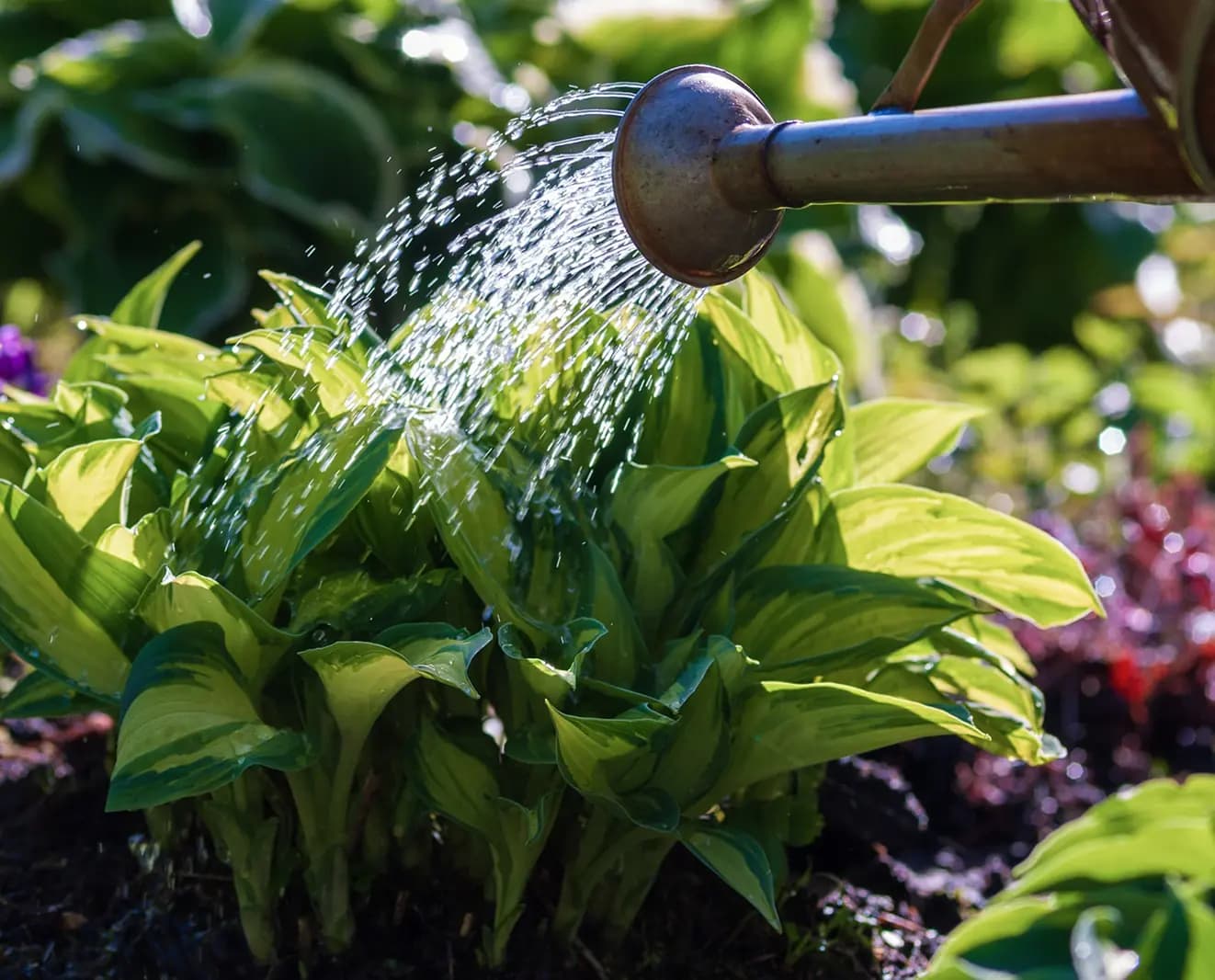
Watering a plant with a copper watering can
Best Water for Plants – How to Choose the Right Type

7 min read · 13 Aug 2026

Best Water for Plants – How to Choose the Right Type

Rainwater, filtered, distilled, and tap water affect plants differently. Learn which types support healthy growth and which cause slow damage. Match each to your plants and discover how to easily improve tap water quality.

Plant Care
Best Water for Plants – How to Choose the Right Type
Is Sugar Water Good for Plants?

4 min read · 14 Sept 2026

Is Sugar Water Good for Plants?

Sugar water may sound like an easy boost, but most rooted plants do not need extra sucrose. This guide explains how green tissues produce carbohydrates, when a sweetened solution can be useful, and why too much can cause problems.

Plant Care
Is Sugar Water Good for Plants?
Top 15 Fast-Growing Trees For Your Garden

13 min read · 28 Jul 2026

Top 15 Fast-Growing Trees For Your Garden

Learn which of the 15 fastest-growing trees will suit your area. We’ll share detailed information on each: growth rate, mature spread, key tree demands, and main vulnerabilities. Read on and make the best choice possible.

Plant Recommendations
Top 15 Fast-Growing Trees For Your Garden