Emerald-Ripple Peperomia (Peperomia caperata) Watering Guide

This page outlines when, how often, and how much to water Peperomia caperata for steady indoor growth.

Water Requirements

Moderate Water

Peperomia caperata Watering

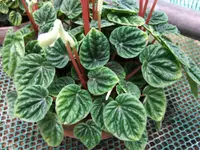
This compact houseplant comes from humid, shaded tropical forests, where roots experience light moisture but not constant saturation. Peperomia caperata prefers slightly moist soil that dries a bit between watering sessions, especially indoors.

Understanding these gentle moisture needs gives a clear foundation for watering Emerald-Ripple Peperomia. Indoor plants usually need more controlled watering than outdoor or greenhouse-grown specimens, so this guide outlines how to water Emerald-Ripple Peperomia in typical home conditions.

Water when the top 1–2 inches (3–5 cm) of soil feel dry, rather than on a fixed schedule. Emerald-Ripple Peperomia typically needs watering about every 7–14 days indoors, but bright light or warm, dry air shortens this interval, while lower light or cooler rooms extend it.

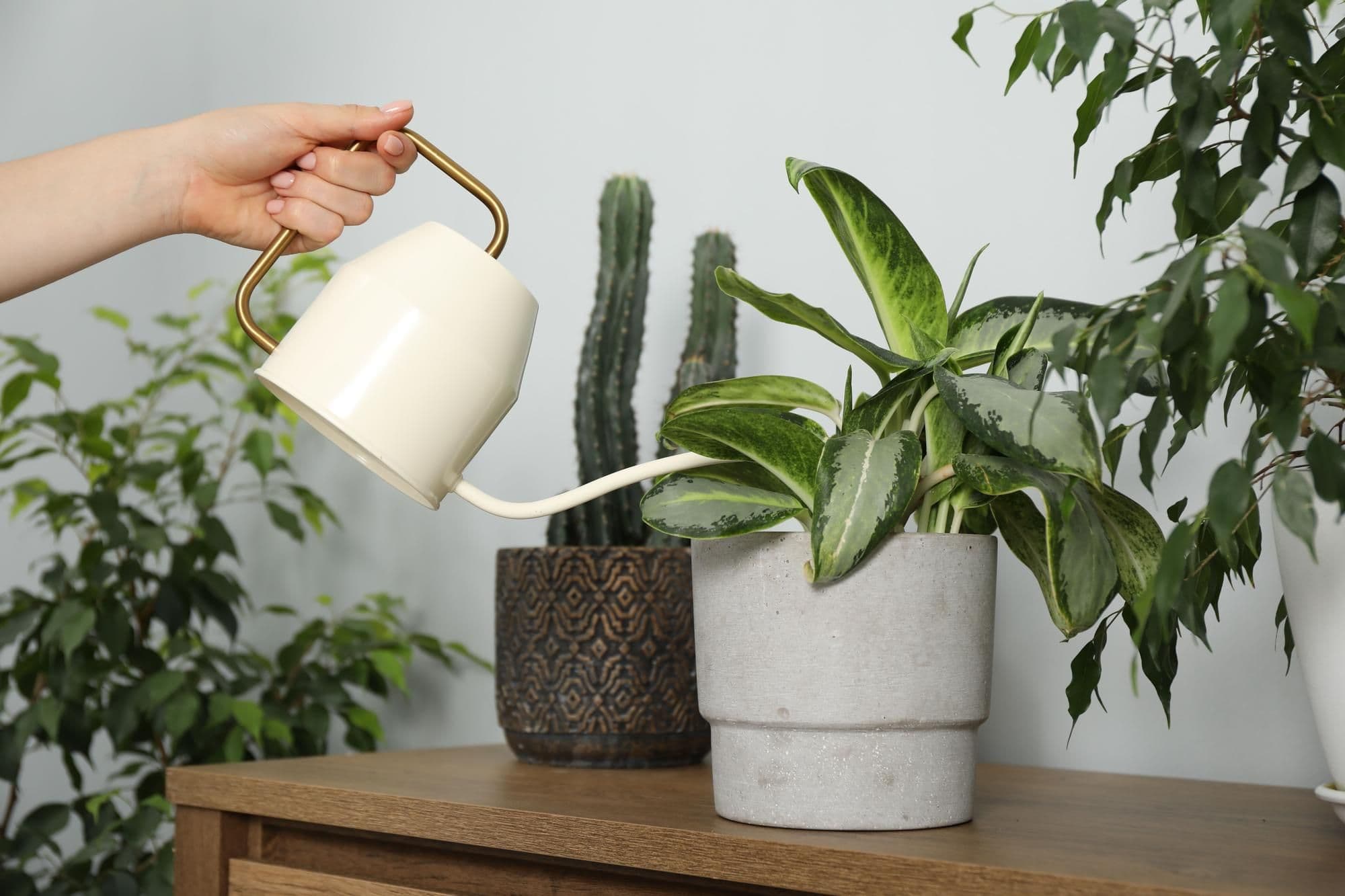
Water Emerald-Ripple Peperomia when the top 1-2 inches (3-5 cm) of soil feel dry, using a gentle, controlled soak.

  • Pour room-temperature water slowly around the inner pot rim, not directly at the stem base or crown center.
  • Continue adding water until it moves evenly through the root zone and a small amount drains from the bottom holes.
  • Let the pot drain fully over a sink or saucer, then discard any standing water so roots do not sit submerged.
  • Keep leaves and textured ripples as dry as possible, avoiding overhead watering that leaves moisture trapped on the foliage.

Incorrect moisture levels can stress Peperomia caperata, weakening growth and encouraging avoidable health problems.

Wilting, Soft Leaves:

Limp, folding foliage usually indicates excess moisture around roots and compacted, poorly aerated potting mix.

Yellowing Lower Leaves:

Older leaves turning uniformly yellow often signal chronic overwatering and slow, suffocated root systems.

Crisp, Drooping Leaf Edges:

Dry, curling margins commonly result from underwatering combined with low humidity and warm indoor air.

Mushy Stems At Base:

Soft, collapsing stems near soil surface typically point to root rot from persistently saturated substrate.

White Crust On Soil:

Mineral and fertilizer salt buildup from hard water or infrequent flushing can impair root moisture uptake.

Keep the root zone lightly moist, not soaked, using airy soil and careful, moderate watering.

Unsuitable watering habits can stress Emerald-Ripple Peperomia, making Peperomia caperata less resilient and more prone to long-term decline indoors.

  • Watering by schedule: Following a fixed calendar leads to repeated saturation or dryness; instead, water only when the top soil feels dry to the touch.
  • Dense, soggy potting mix: Heavy garden soil holds excess moisture around fine roots; use a light, chunky mix with perlite or orchid bark instead.
  • Wrong container and saucer: Using pots without drainage or leaving runoff in the saucer keeps roots wet for hours; choose draining pots and empty saucers promptly.

Safer watering focuses on responsive checks of soil moisture, quick drainage, and a light mix that dries moderately between waterings.

  • Spring: Growth gradually picks up; let the top inch of mix dry, then water slightly more often as new leaves form.
  • Summer: In bright, warm rooms, check moisture more frequently, but still allow partial drying to prevent root rot in the thick leaves.
  • Fall: Growth slows as light drops; extend the drying period between waterings and reduce how heavily the pot is soaked.
  • Winter: In cooler or low-light conditions, water sparingly after the mix mostly dries, since the plant’s metabolism and uptake are reduced.

Not Sure When to Water? Botan Knows

Use Botan to set a simple watering guide and care steps for Peperomia caperata, and get gentle photo-based checks that help spot early issues before they spread.

Botan plant care app — identify plants on mobile

FAQ

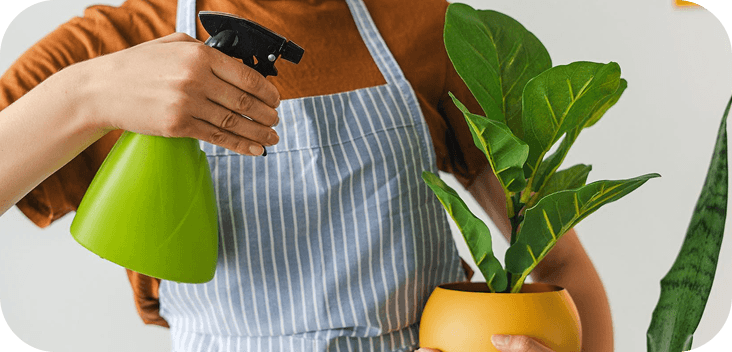
Light, occasional misting is fine but not required. This species absorbs most moisture through roots, not leaves. Avoid heavy or frequent misting, which can encourage fungal spots in crowded foliage or poor air circulation.

More Plant Watering Guides

Is Your Watering Routine Hurting Your Emerald-Ripple Peperomia?

Botan reviews your watering pattern to keep moisture levels better balanced over time.

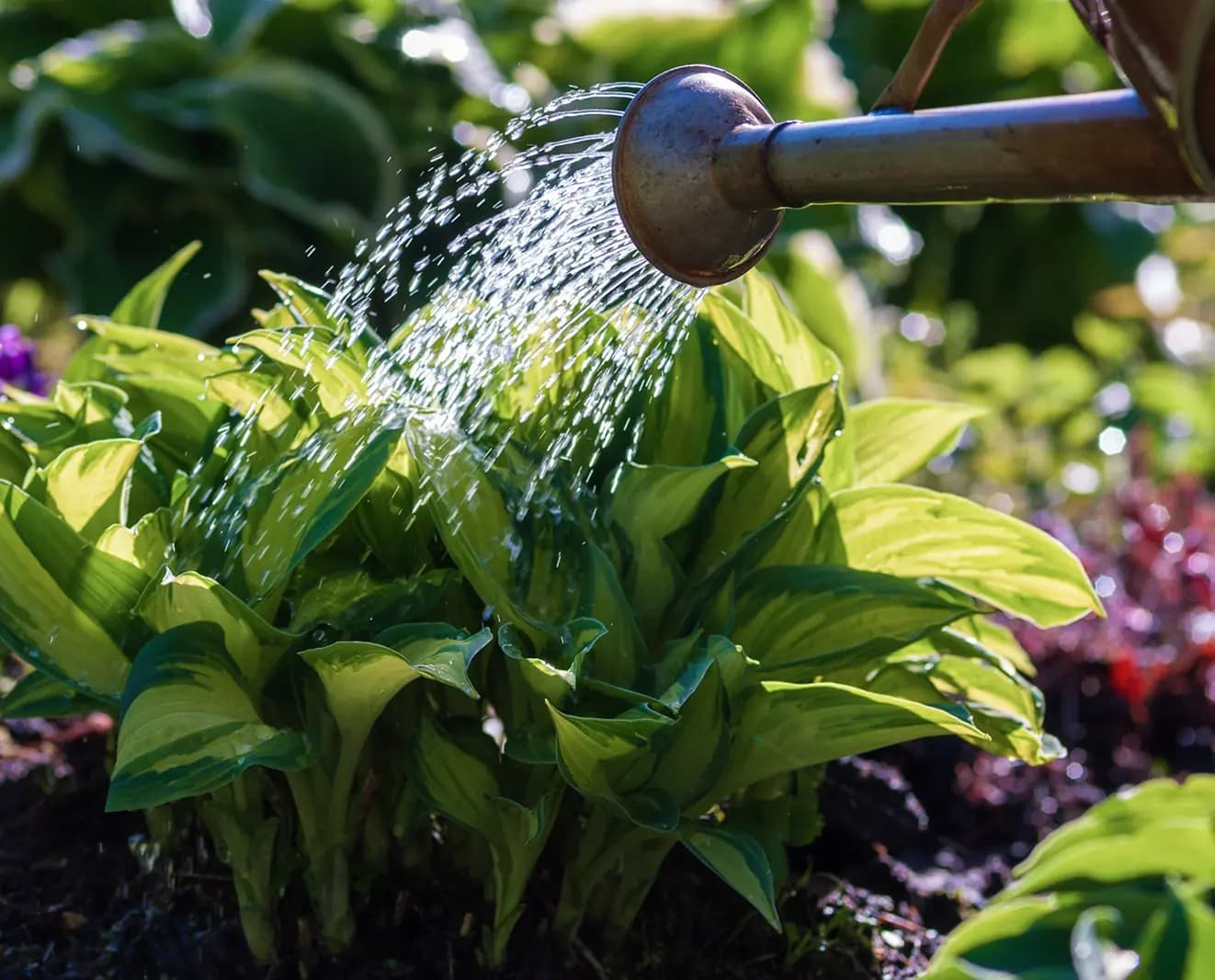
Watering a plant with a copper watering can
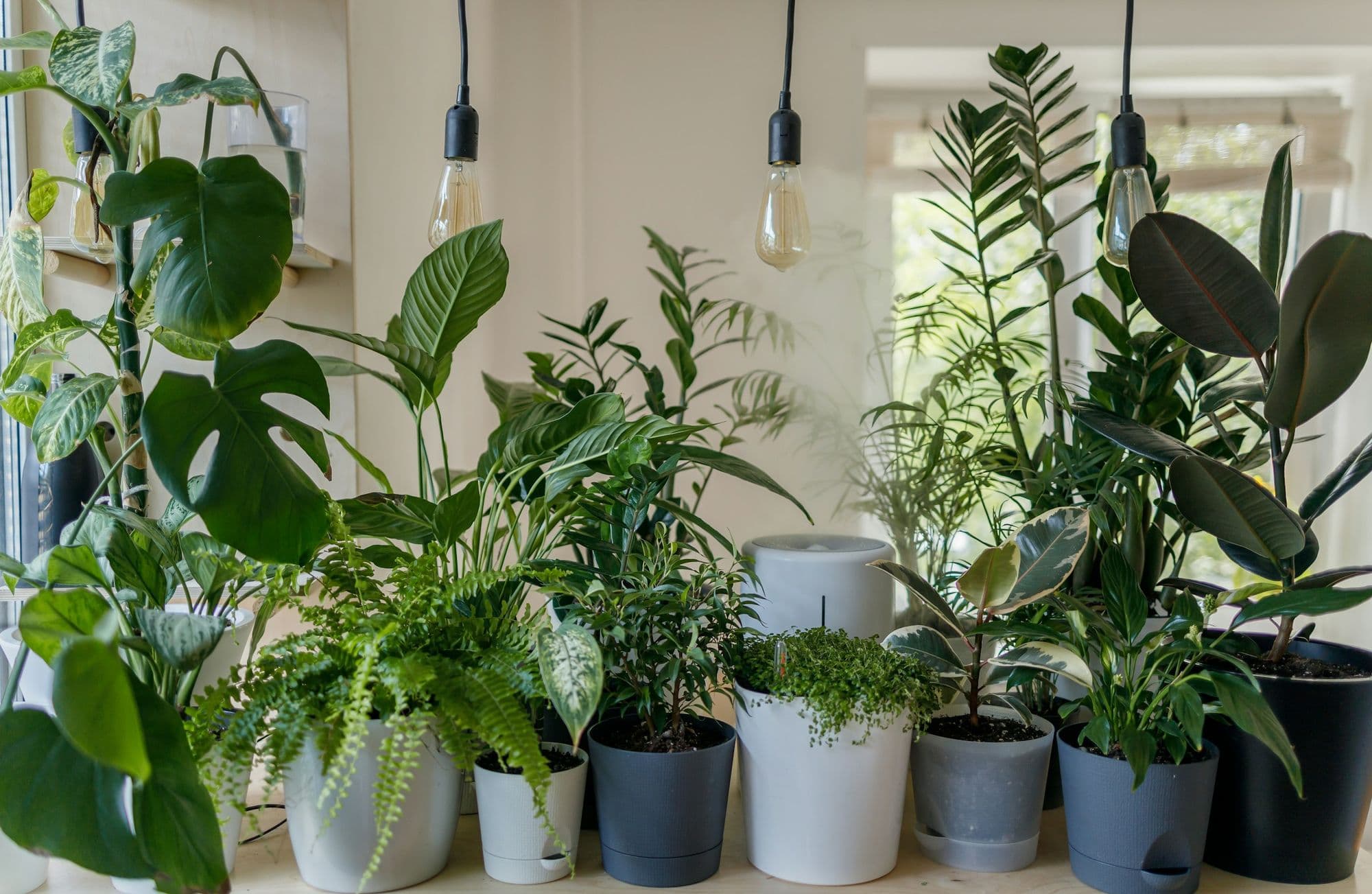
Top 15 Plants That Don’t Need Sunlight

8 min read · 17 Sept 2026

Top 15 Plants That Don’t Need Sunlight

Some plants thrive in dim rooms, shaded corners, and places with indirect light. In this guide, you’ll explore the top 15 species best suited to low-light conditions and how to care for them.

Plant Recommendations
Top 15 Plants That Don’t Need Sunlight
Dill Companion Plants – What to Grow Next to Dill

9 min read · 17 Jul 2026

Dill Companion Plants – What to Grow Next to Dill

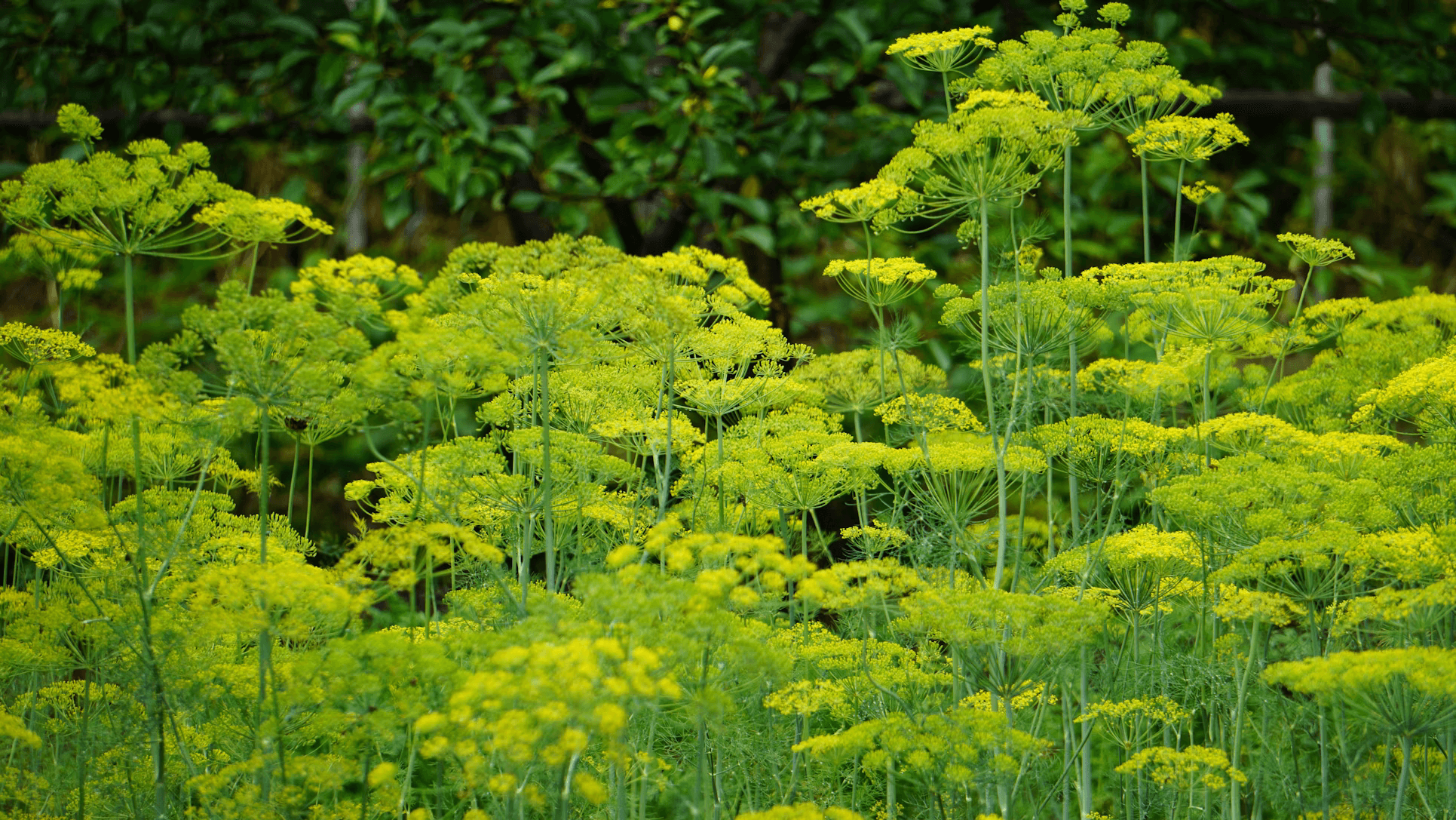
Dill is an easy-to-grow plant that gets along well with many vegetables. This guide describes 15 plants that can be planted alongside it, a few to avoid, and mistakes that can quietly sabotage the entire process.

Plant Recommendations
Dill Companion Plants – What to Grow Next to Dill
How to Water Houseplants: Watering Guide

7 min read · 24 Aug 2026

How to Water Houseplants: Watering Guide

Learn how often to water indoor plants, key factors for proper watering, and how to adjust the care routine by plant type, season, pot size, light, and indoor conditions.

Plant Care
How to Water Houseplants: Watering Guide