


7 min read · 24 Aug 2026
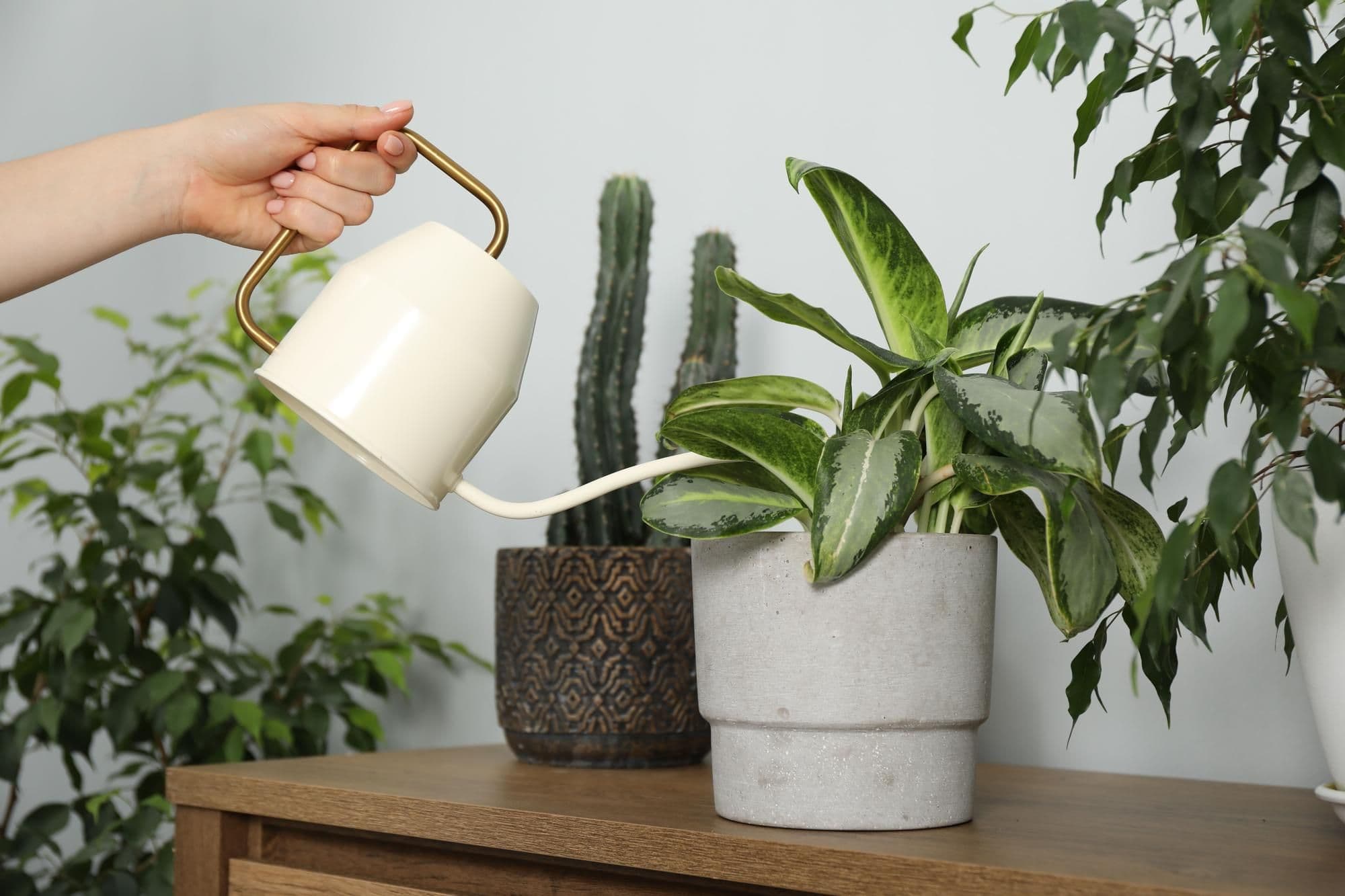
How to Water Houseplants: Watering Guide
Learn how often to water indoor plants, key factors for proper watering, and how to adjust the care routine by plant type, season, pot size, light, and indoor conditions.
Plant Care

Emerald-Ripple Peperomia grows best in bright indirect light, with only brief gentle morning sun.

Light Preference
Bright Indirect Light
In its native Brazilian forest habitat, Peperomia caperata grows as a small understory plant where taller vegetation softens the sun. Light is filtered, humid, and broken by shade rather than open, all-day exposure. Short periods of brighter seasonal light may reach the foliage, but harsh direct sun is uncommon. In cultivation, this points to steady filtered light indoors. Preferred light is bright indirect light.
Emerald-Ripple Peperomia needs about 6–8 hours of bright indirect or filtered light daily, including up to 1–2 hours of gentle direct morning sun.
Avoid full sun; strong midday or afternoon rays can scorch the textured leaves.
Shade is tolerated, but growth is usually slower and new leaves may stay smaller.
East-facing light is safest because it gives mild sun before heat builds.
Indoors, Emerald-Ripple Peperomia does best near a bright window without harsh direct sun.
Use a north-facing window only if it is bright and unobstructed; place the pot close to the glass.
An east-facing window is ideal because it provides bright light and mild morning sun.
A south-facing window works if the plant sits a few feet back or the sun is filtered by a sheer curtain.
A west-facing window needs filtering or extra distance because afternoon sun can be too hot.
Choose the brightest placement that keeps direct sun brief and gentle.
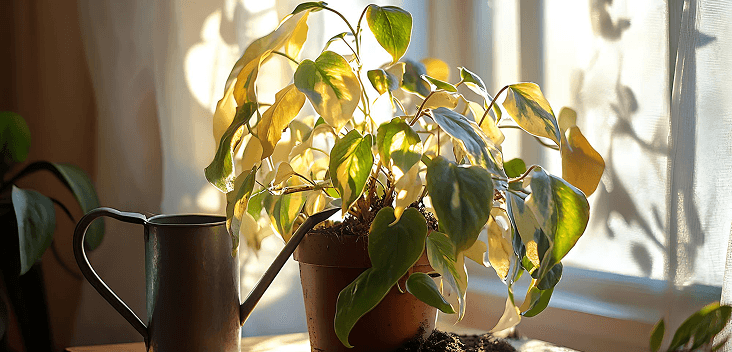
Strong sun often shows first on the most exposed leaves.
Upper leaves may look pale or washed out where direct rays hit the rippled surface.
Dry beige or light brown patches can appear after sudden exposure to hot window sun.
Leaves may cup or curl downward when light is intense and heat builds near glass.
The deep green tone can look duller when Peperomia caperata sits in harsh afternoon sun.
Move the pot back from the glass or add a sheer curtain. Keep the plant in bright indirect light while damaged leaves are replaced by new growth.
Low light usually affects new growth before older leaves. Peperomia caperata can tolerate shade, but it does not grow as compactly there.
Leaf stalks may lengthen as the plant reaches toward the brightest side.
New leaves can appear farther apart, making the mound look looser and less full.
Fresh leaves may stay smaller than normal during spring and summer growth.
The thin upright flower spikes may be reduced when light stays weak for long periods.
Move it to a brighter indirect position, increasing exposure over several days if the change is large.
If ideal light is limited, choose the brightest spot that avoids hot direct rays; this is usually better than deep shade.
Set the pot a little back from intense glass, or use a sheer curtain when leaves receive afternoon sun.
Rotate the pot a quarter turn every 1–2 weeks so the compact mound develops evenly.
Light Care Advice
Learn what light your plant needs and avoid common lighting mistakes
Scan your plant to receive care tips personalized for your specific plant
The best light for Emerald-Ripple Peperomia is bright indirect light for most of the day. A little gentle morning sun is usually fine, but strong direct sun is not ideal.
Discover how to care for your plants with Botan.
7 min read · 24 Aug 2026
Learn how often to water indoor plants, key factors for proper watering, and how to adjust the care routine by plant type, season, pot size, light, and indoor conditions.
9 min read · 29 Sept 2026
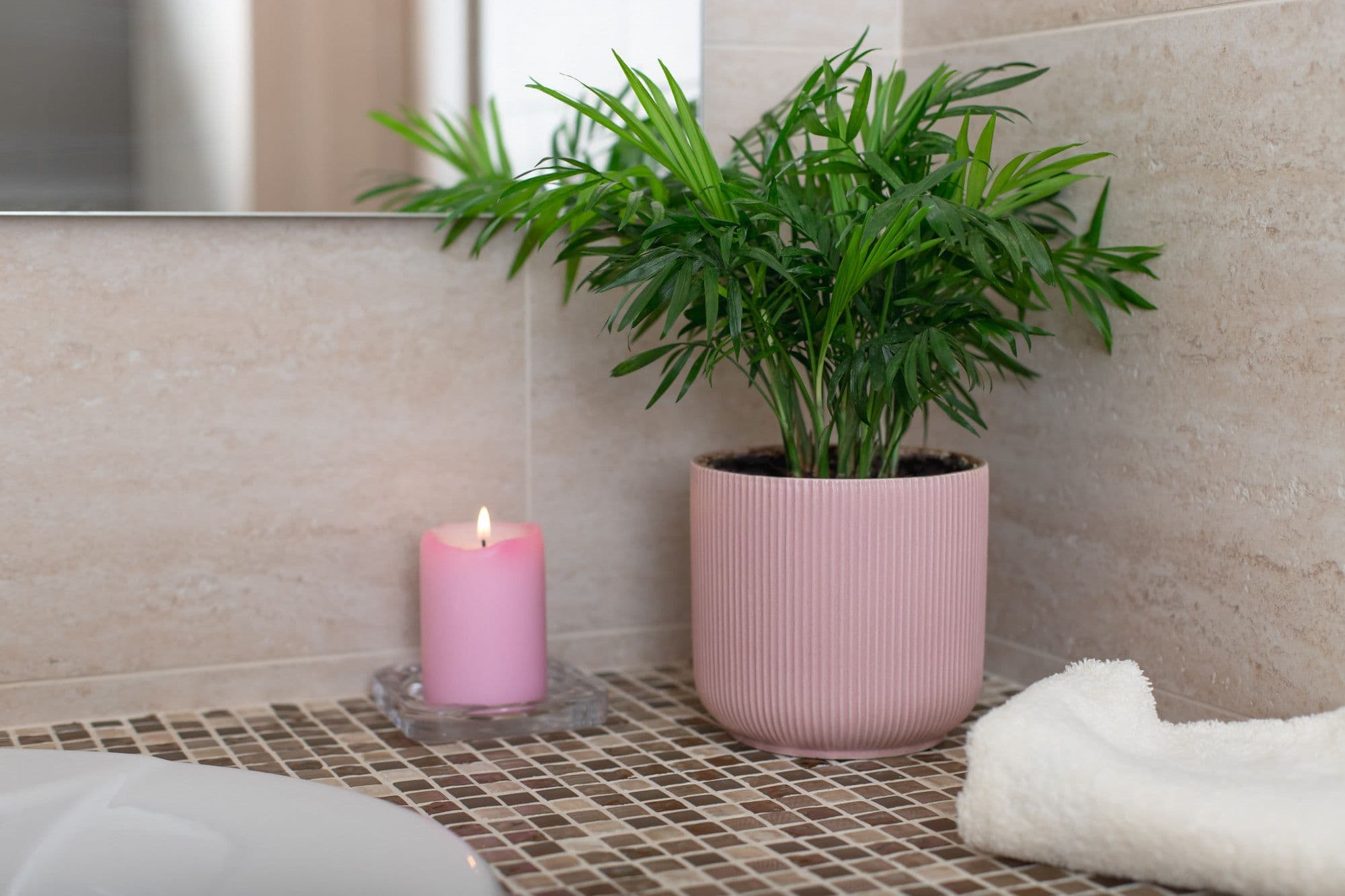
Discover the 12 best plants for bathroom spaces. Each pick comes with its own advantages, plus light, humidity, watering, and placement tips. Take a look and match the plant to your specific bathroom.
5 min read · 21 Jul 2026
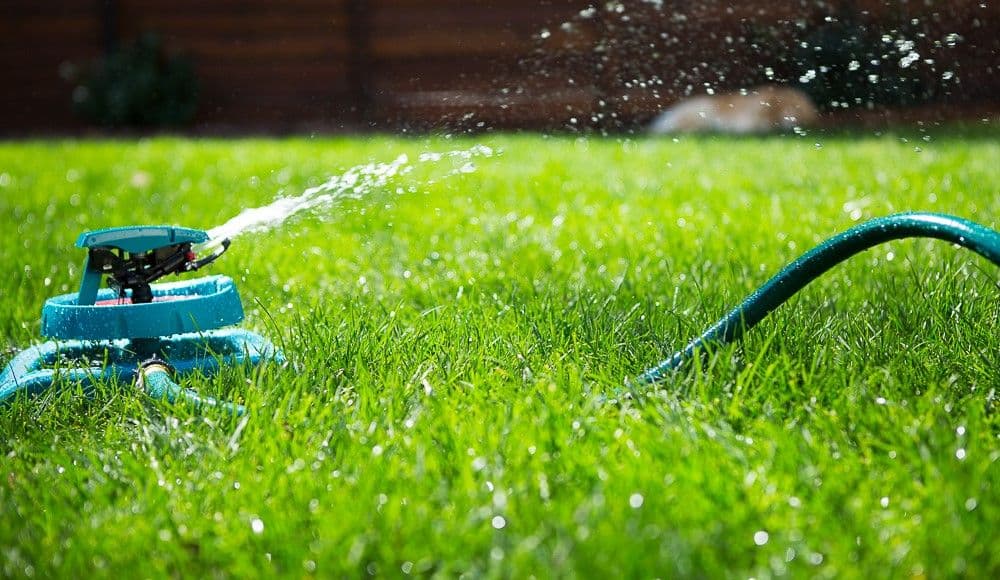
Summer watering is easy to get wrong. This guide explains when to turn on your sprinkler, how much liquid your grass needs each week, and how to tell if you're overwatering or underwatering.