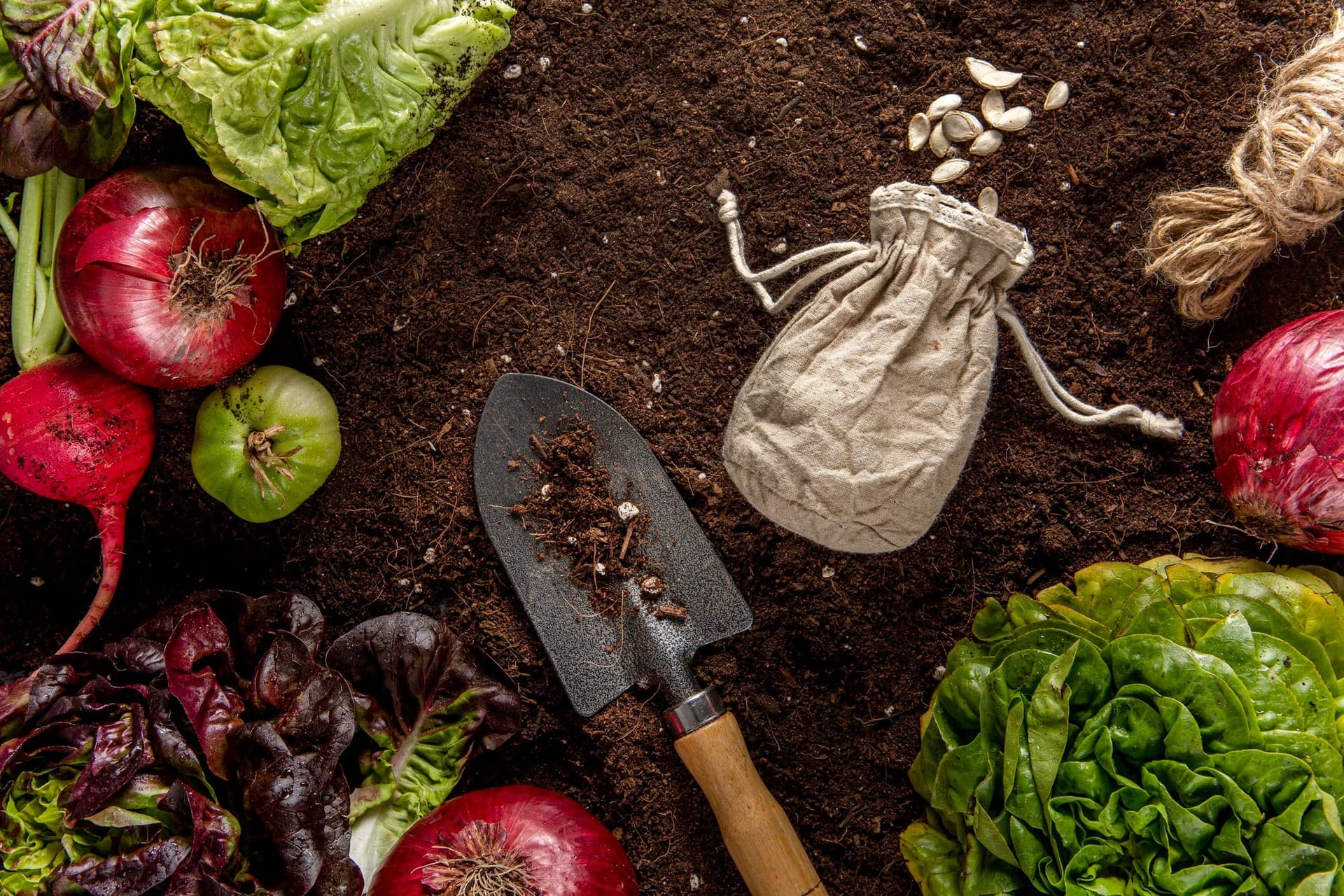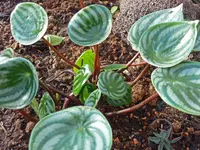


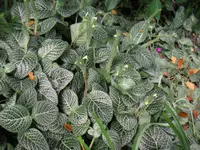

Watermelon Peperomia (Peperomia argyraea) Light Needs

Watermelon Peperomia grows best indoors in bright, indirect light, with brief gentle morning sun tolerated.

Light Preference

Bright Indirect Light

Peperomia argyraea Light Requirements

Peperomia argyraea is native to humid tropical forest habitats in Brazil, where it grows beneath taller vegetation rather than in open sun. Light is usually filtered through canopy cover, with brighter periods near forest edges or gaps.

That background explains its preference in homes: steady brightness without harsh rays. Its preferred light is bright, indirect or gently filtered light most of the day.

  • Ideal exposure:

    Watermelon Peperomia needs about 6–8 hours of bright, indirect or filtered light daily, including up to 1–2 hours of gentle direct morning sun.

  • Gentle direct sun:

    Soft early sun is tolerated, but direct rays after late morning can mark the leaves.

  • Lower light:

    Shade tolerance means it can survive in lower light, not that it will stay compact or strongly patterned.

  • Afternoon exposure:

    West or hot south exposure should be filtered or set back from the glass.

Indoors, this plant does best near a bright window where direct sun is limited or filtered.

NConditional
North-facing window:

Works only if the window is large, unobstructed, and the plant sits close to the glass.

EBest
East-facing window:

Place it close to an east-facing window where it receives soft morning sun and bright indirect light afterward.

SConditional
South-facing window:

Suitable if placed 3–5 ft from the glass or behind a sheer curtain to soften midday sun.

WConditional
West-facing window:

Use a sheer curtain or keep it several feet back, because late-day sun can be too strong.

Adjust placement if the leaves fade, lean, or develop pale sun-stressed patches.

Excess light usually shows on the exposed leaves first.

Pale patches:

Silver-green areas may look bleached or washed out where direct sun hits the leaf surface.

Tan scorch spots:

Dry tan or beige spots can appear after sudden exposure to strong sun, especially near glass.

Curling leaves:

Leaves may curl slightly or feel firmer as they reduce exposed surface area in intense light.

Dull pattern:

The watermelon pattern may look faded instead of crisp when brightness is paired with direct heat.

Move Peperomia argyraea out of harsh rays and provide filtered light during recovery. Keep the new position bright, but avoid sudden full-sun exposure.

Low light tends to change the plant’s shape before it causes obvious damage.

  • Stretched petioles:

    Leaf stems may lengthen, making the plant look open instead of compact.

  • Leaning growth:

    New growth may angle toward the brightest side of the room.

  • Wider spacing:

    Leaves may sit farther apart, with fewer new leaves forming near the center.

  • Muted pattern:

    The silver striping can look less defined when the plant is kept too dim.

  • Small new leaves:

    New leaves may emerge smaller during the growing season if light remains weak.

Move Peperomia argyraea to a brighter indirect-light spot, increasing exposure over several days. Avoid switching from deep shade straight into direct sun.

If ideal light is not available, choose the brightest spot that avoids harsh afternoon rays rather than a dim corner. Set the pot where the leaves receive steady ambient brightness for most of the day.

Rotate the pot a quarter turn every 1–2 weeks to keep growth balanced.

A deep shelf far from any window is a poor setup because the plant will stretch toward the nearest light source.

Get Personalized Care Plan

Scan your plant to receive care tips personalized for your specific plant

FAQ

The best light for Watermelon Peperomia is bright, indirect or filtered light for about 6–8 hours daily. Gentle morning sun is usually tolerated, but strong afternoon sun can scorch the leaves.

Everything About Watermelon Peperomia

More Plant Light Guides

Get the Botan App

Discover how to care for your plants with Botan.

Botan app identifying a plant with a phone camera
How to Use a Moisture Meter for Plants

5 min read · 4 Sept 2026

How to Use a Moisture Meter for Plants

Watering by feel kills plenty of houseplants. A moisture meter checks the soil for you, and takes the guesswork out of it. This guide will show you how to use it correctly, from the first touch to the final reading.

Beginner Guides
How to Use a Moisture Meter for Plants
Is Sugar Water Good for Plants?

4 min read · 14 Sept 2026

Is Sugar Water Good for Plants?

Sugar water may sound like an easy boost, but most rooted plants do not need extra sucrose. This guide explains how green tissues produce carbohydrates, when a sweetened solution can be useful, and why too much can cause problems.

Plant Care
Is Sugar Water Good for Plants?
Best Fertilizer for Vegetable Gardens – What to Use for Each Plant

11 min read · 20 Jul 2026

Best Fertilizer for Vegetable Gardens – What to Use for Each Plant

Here, you’ll find the right fertilizer formula for vegetables in your garden. Learn how to adjust feeding correctly throughout the growing cycle, spot nutrient deficiencies by their symptoms, and keep your plants healthy and prolific.

Plant Recommendations
Best Fertilizer for Vegetable Gardens – What to Use for Each Plant