

7 min read · 6 Aug 2026
Planting Grass Seed in Summer – What Works and What Fails
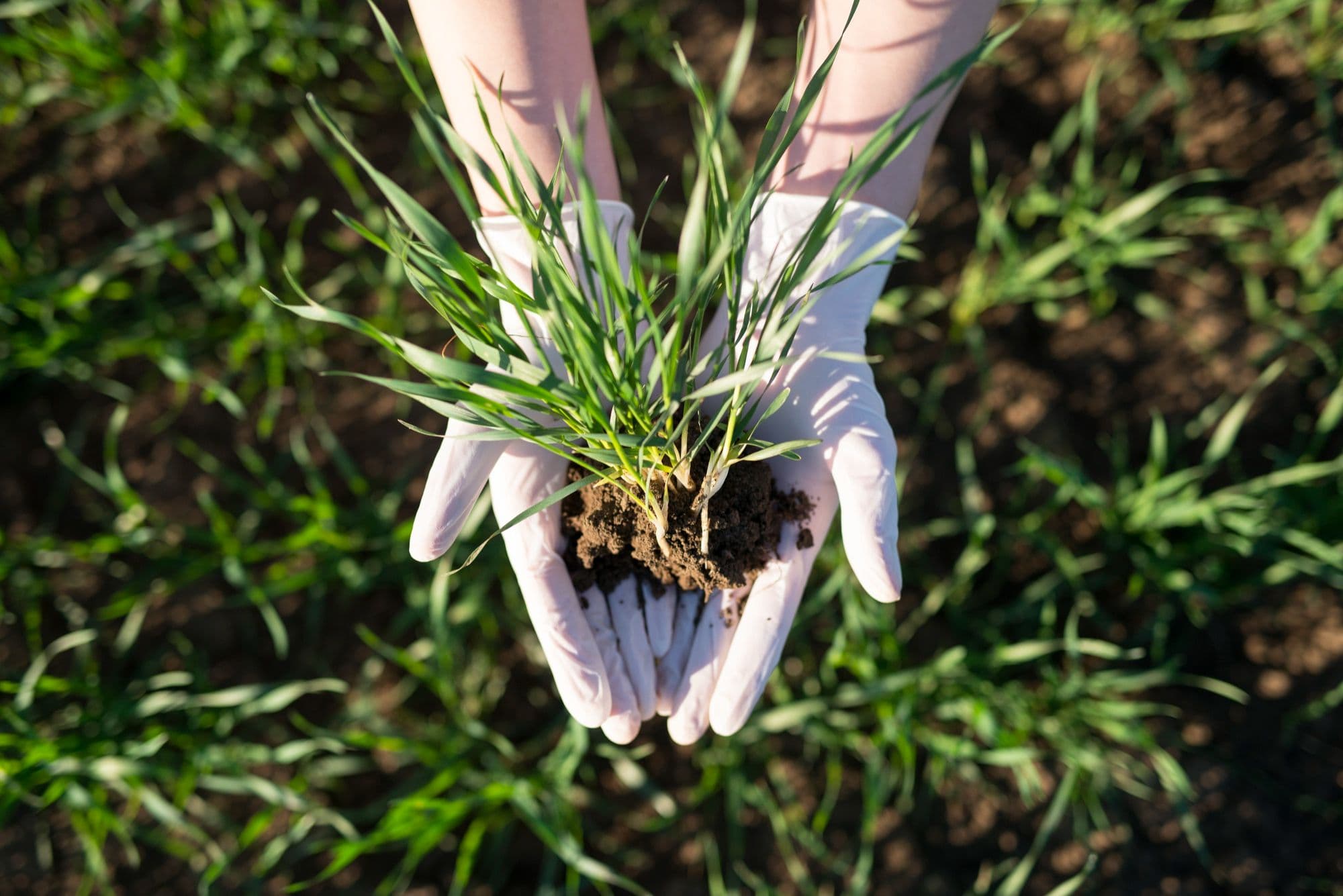
Summer seeding succeeds when the grass type suits the season, and the soil stays moist. Find out how to prepare the seedbed and choose a safe window for planting.
Nerve Plant grows best indoors in bright, indirect light with only brief, gentle morning sun.

Light Preference
Bright Indirect Light

Fittonia albivenis is native to tropical rainforest areas of South America, especially Peru, where it grows close to the forest floor. In that setting, taller vegetation breaks up the sun before it reaches the leaves, so the plant receives filtered light and partial shade rather than open sun. Indoor care should copy that protected exposure. Preferred light is bright, indirect or filtered light.
Fittonia albivenis needs about 6–8 hours of bright, indirect or filtered light daily, including up to 1–2 hours of gentle direct morning sun.
A little early sun is tolerated, but full sun and hot afternoon rays can scorch the thin leaves.
Shade is tolerated for survival, but growth may become looser and leaf contrast may fade.
In winter, a brighter position near a window often helps maintain compact growth.
Indoors, Nerve Plant does best close to a bright window where direct sun is softened or brief.
A north-facing window can work if it is unobstructed and bright, but the plant may grow looser in a dim room.
An east-facing window is usually best because it gives gentle morning sun and bright indirect light for the rest of the day.
A south-facing window is suitable when the plant sits 3–6 ft back or direct rays are filtered through a sheer curtain.
A west-facing window is conditional because afternoon sun can be harsh; use filtering or keep the pot several feet from the glass.
Choose the brightest protected location available, and adjust if leaves fade, stretch, or scorch.
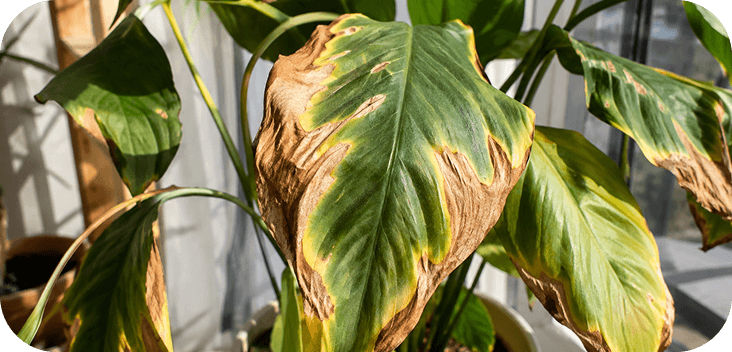
Excess light usually shows first on the most exposed leaves.
Pale, tan, or silvery areas can appear where direct rays hit the leaf surface.
Dry brown spots may form after sudden exposure to strong sun, especially near glass.
The leaf markings can look washed out instead of clear when light is too intense.
Leaves may droop during bright afternoon exposure even when the room is not hot.
Move Fittonia albivenis out of direct afternoon sun right away. Keep it in bright filtered light, or add a sheer curtain between the plant and the window.
Low light affects shape and leaf color before it causes obvious decline.
Growth may angle toward the brightest side of the room instead of staying even.
New leaves can appear farther apart on the stems, giving the plant a stretched look.
The pale veining may become less defined when light stays too weak.
Fresh growth may come in smaller during the active season.
Little new growth in spring or summer can suggest the location is too dim.
Move Fittonia albivenis closer to a bright window, but avoid harsh direct sun. Increase exposure gradually over several days so the leaves can adjust.
If ideal brightness is not available, choose the brightest spot that stays out of harsh afternoon sun. Keep the leaves within a few feet of filtered daylight rather than deep inside the room.
Rotate the pot a quarter turn every week to keep growth even. Clean dust from the leaves gently so available light reaches the leaf surface.
Avoid an unfiltered, hot sill in direct afternoon sun because the thin leaves can scorch quickly.

Too Much Sun?
Check if your plant gets too much direct sunlight and improve its placement
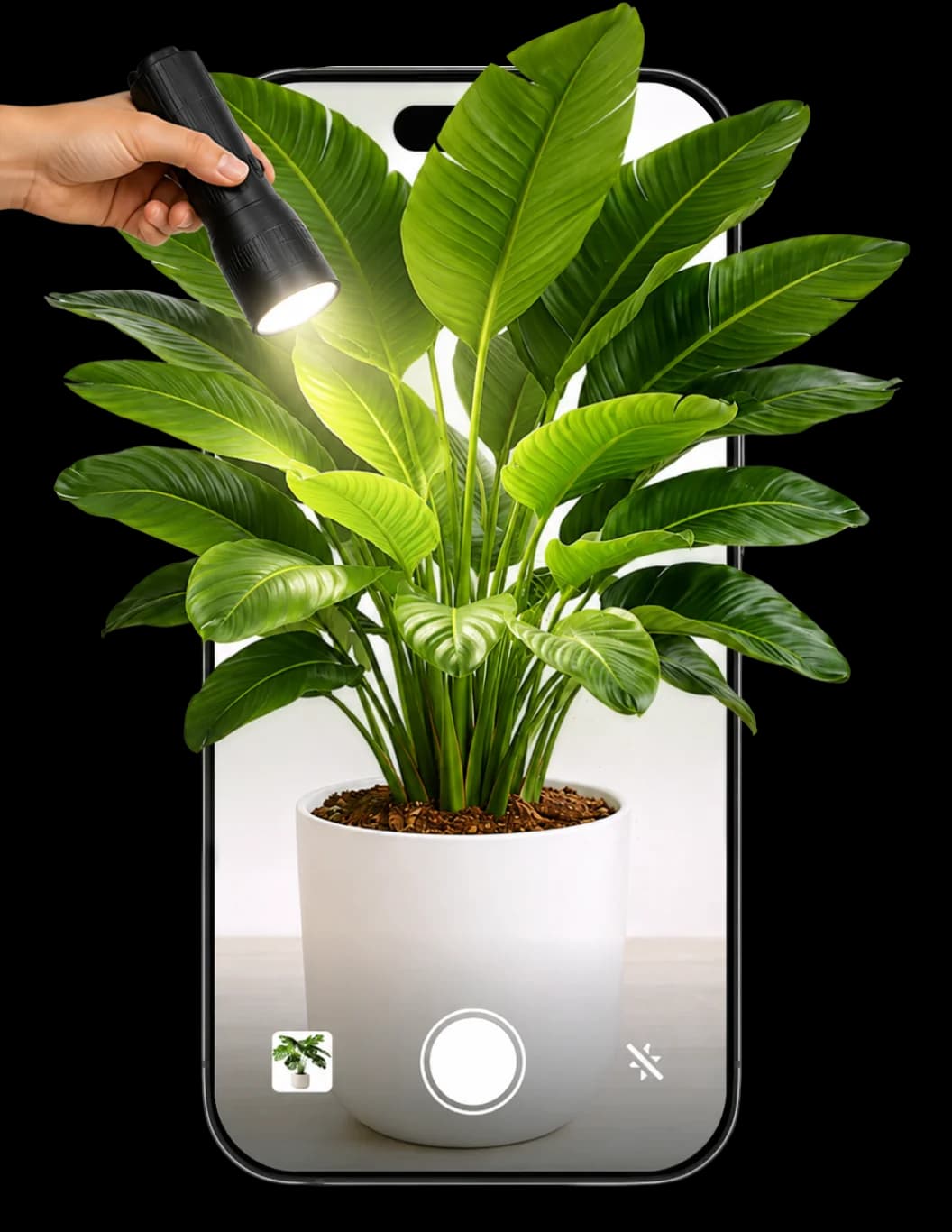
Scan your plant to receive care tips personalized for your specific plant
The best light for Nerve Plant is bright, indirect or filtered light for most of the day, with only brief gentle morning sun if the plant has been acclimated.
Discover how to care for your plants with Botan.


7 min read · 6 Aug 2026
Summer seeding succeeds when the grass type suits the season, and the soil stays moist. Find out how to prepare the seedbed and choose a safe window for planting.

9 min read · 29 Sept 2026
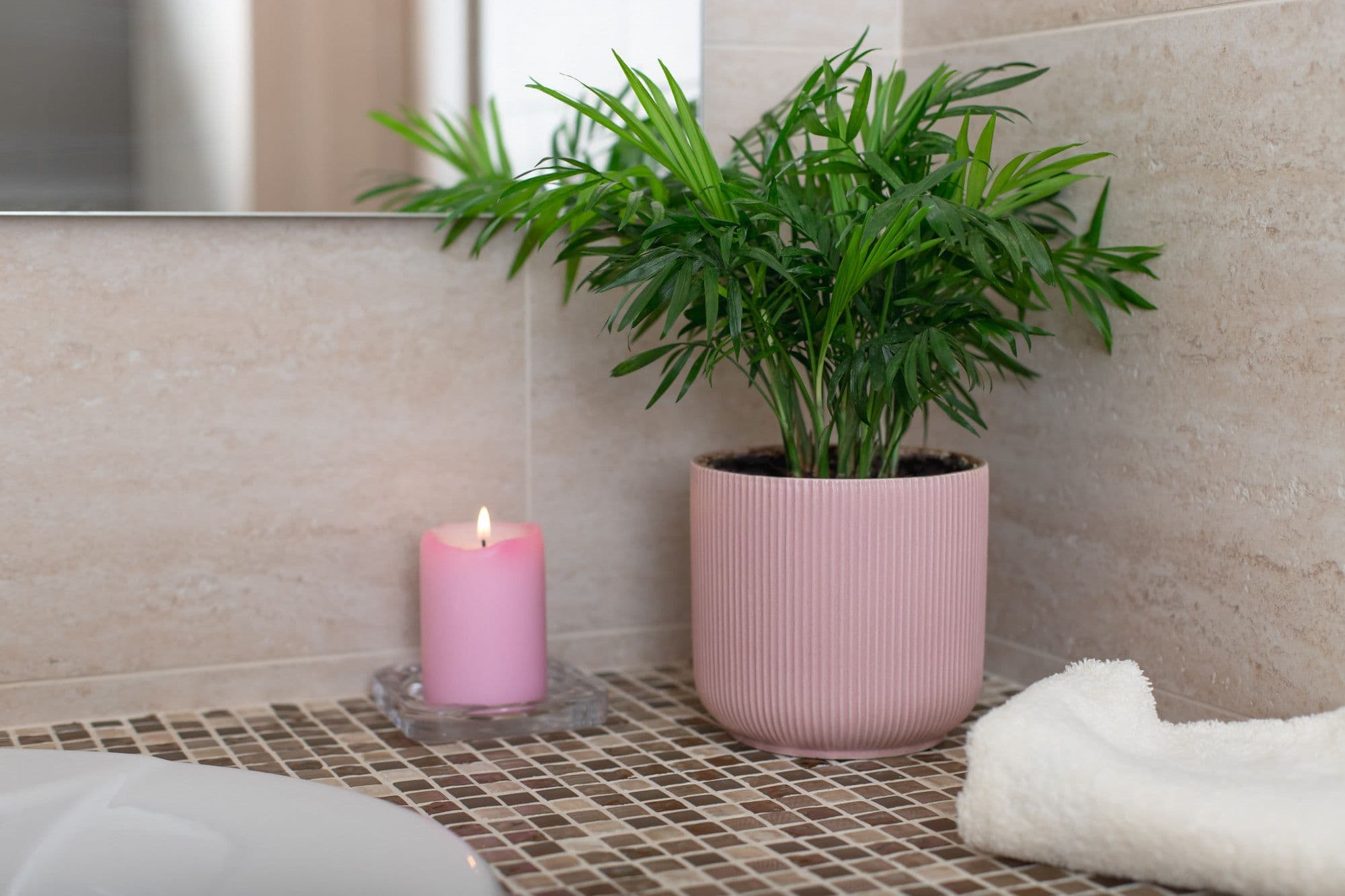
Discover the 12 best plants for bathroom spaces. Each pick comes with its own advantages, plus light, humidity, watering, and placement tips. Take a look and match the plant to your specific bathroom.

6 min read · 10 Jul 2026
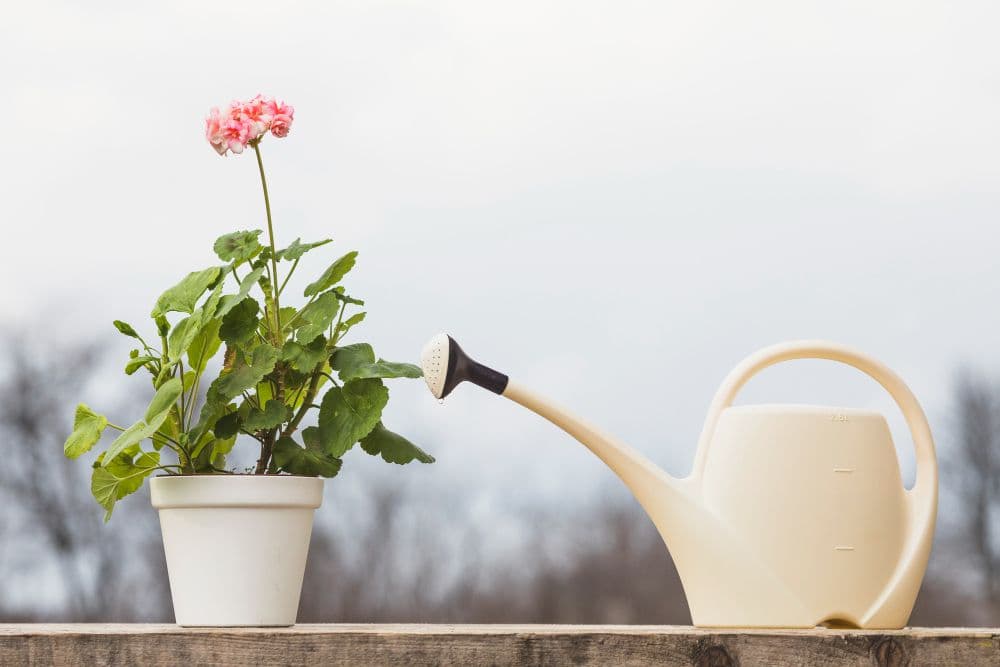
Flowers can survive without water anywhere from 1-2 hours to several months, depending on the plant type, species, and growing conditions. Some strong-looking flowers are drought-sensitive, while delicate-looking plants may tolerate long dry periods surprisingly well.