


Best Soil for Nerve Plant (Fittonia albivenis)

Fittonia albivenis grows best in a loose, organic-rich mix that stays evenly moist, drains well, and supports fine root health.

Soil Texture

Loamy, Peaty, Organic-rich

Soil pH

Acidic (5.5–6.5), Slightly acidic (6.5–7.0)

Soil Drainage

Moist but well-drained

Fittonia albivenis Soil Guide

Native to tropical rainforests of northern South America, Fittonia albivenis grows along the forest floor, where soil stays evenly moist and rich in decayed plant matter. That habitat explains its preference for a soft, humus-rich substrate that holds moisture without becoming stagnant.

Its roots are relatively fine and shallow, so the best soil for Nerve Plant needs both moisture retention and air space. A loamy, peaty, organic-rich texture works well because it stays lightly damp while still draining freely, which supports steady root function in indoor conditions.

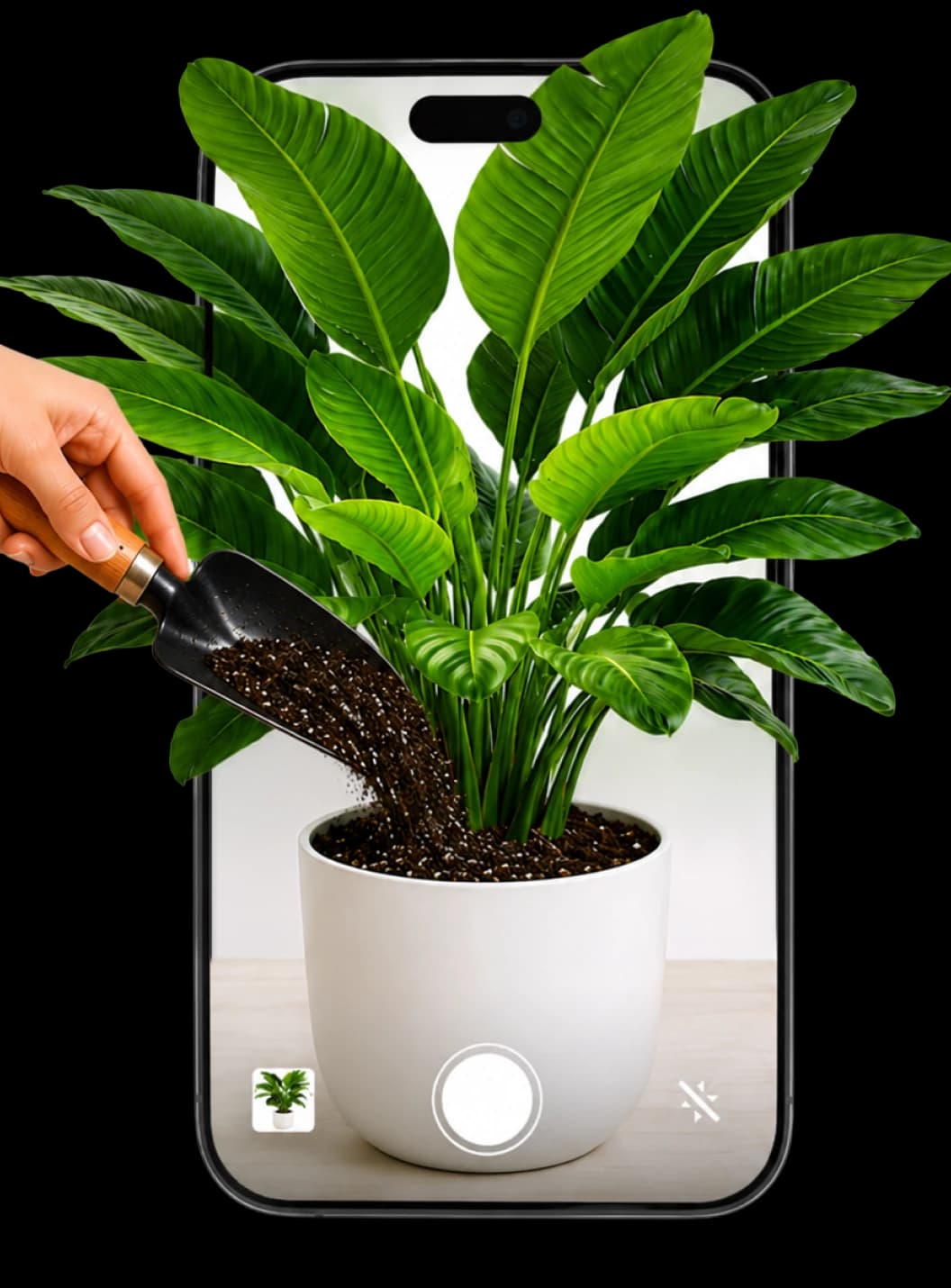
A simple custom mix gives Fittonia albivenis the balance of moisture retention and airflow it needs in containers.

100% total mix = 20 scoops
10%
fine orchid bark2 scoops
20%
perlite or pumice4 scoops
30%
high-quality potting soil6 scoops
40%
peat moss or coco coir8 scoops

The finished blend should feel springy, crumbly, and slightly fluffy, with water moving through steadily while some moisture remains around the roots.

A slightly acidic to near-neutral range of 5.5–7.0 suits Nerve Plant well, with about 6.0–6.5 being a reliable target. In that range, key nutrients stay more available to the roots instead of becoming harder for the plant to absorb.

Fittonia albivenis can handle mild variation, but extremes on either side may limit nutrient uptake over time. Keeping pH in a gentle acidic range supports steadier growth and more balanced root function.

This species can react quickly when the root zone stays off balance. Check the soil first, since root stress often shows up before other causes are clear.

Compacted mix:

Compacted mix: if the surface hardens and water lingers unevenly, gently loosen the top layer and plan to refresh the medium with a lighter texture.

Soggy root zone:

Soggy root zone: if the container stays heavy for long periods or smells stale, improve airflow around the roots and check that excess water can drain freely.

Dry pockets:

Dry pockets: peat-heavy media can shrink and repel water, so re-moisten the mix slowly and evenly until it absorbs moisture again.

Salt buildup:

Salt buildup: a whitish crust on the soil surface can point to mineral residue, so scrape off the top layer and flush with clean water if needed.

Scan. Match. Grow.

Botan helps identify the plant and match its soil needs, so it is easier to choose a mix that fits its root habits.

FAQ

Yes. Drainage holes let excess water leave the container, which helps the root zone keep enough air. That matters for maintaining healthy Nerve Plant soil and reducing the risk of stagnant, sour conditions.

Everything About Nerve Plant

More Plant Soil Guides

Wrong Soil? Check It.

Soil may be part of the issue. Use Botan’s photo-based assessment to check whether growing conditions could be contributing to what you see.

Botan app helping with soil and plant care
Best Time to Mow Lawn – A Complete Guide

5 min read · 10 Aug 2026

Best Time to Mow Lawn – A Complete Guide

Explore when to mow your lawn for its health and a pleasant green color. Find out the best time for this task during the summer heat, and follow practical tips for correctly cutting the grass, and learn common mistakes to avoid.

Plant Care
Best Time to Mow Lawn – A Complete Guide
How to Winterize Your Garden in 6 Steps

5 min read · 28 Sept 2026

How to Winterize Your Garden in 6 Steps

Learn how to prepare your garden for winter with a practical six-step checklist covering cleanup, tender plant care, watering, mulching, winter protection, and winterizing equipment and containers.

Plant Care
How to Winterize Your Garden in 6 Steps
How to Clean Plant Leaves: A Simple Care Guide

6 min read · 4 Aug 2026

How to Clean Plant Leaves: A Simple Care Guide

Dusty leaves look dull and don't absorb light well. Below, you'll find simple ways to clean them, which tools are truly effective, how often you should do it, and what causes damage.

Beginner Guides
How to Clean Plant Leaves: A Simple Care Guide