



Best Soil for Sensitive Plant (Mimosa pudica)

For healthy roots, Mimosa pudica needs a loose, moisture-retentive soil that still drains well and stays slightly acidic to near neutral.

Soil Texture

Sandy, Loamy

Soil pH

Acidic (5.5–6.5), Slightly acidic (6.5–7.0)

Soil Drainage

Moist but well-drained

Mimosa pudica Soil Guide

Native to tropical parts of the Americas, Mimosa pudica grows in warm, seasonally moist ground that drains freely and stays open to air. That background explains why it prefers soil that feels light and loose rather than dense or sticky.

Its roots are fairly fine and do best when moisture is steady but excess water can move through quickly. The best soil for Sensitive Plant combines gentle moisture retention with good aeration and some organic richness, while a sandy-loamy texture helps prevent compaction around the root zone.

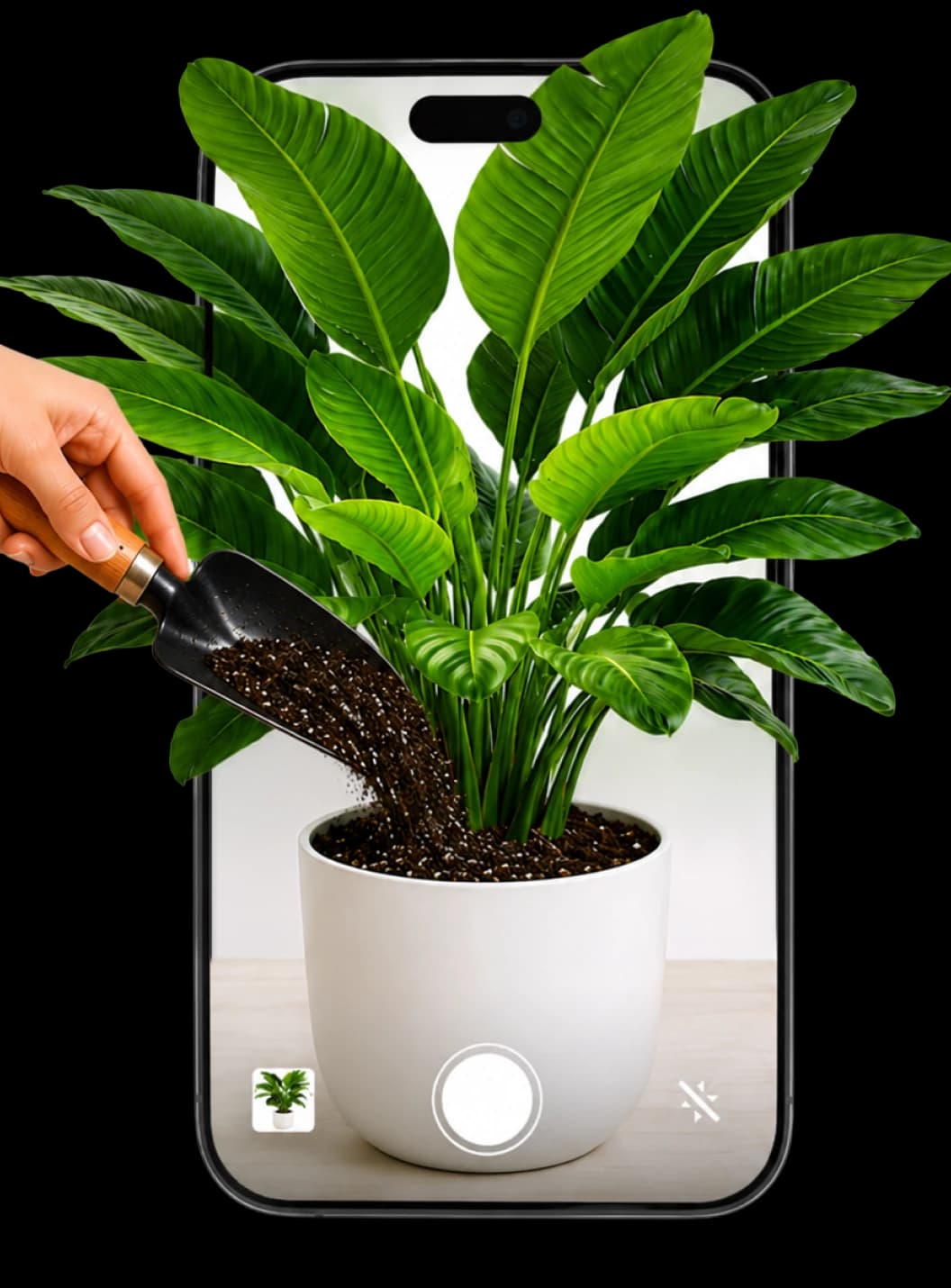
A simple homemade blend can give Mimosa pudica the balance of airflow and moisture control it needs in a container.

100% total mix = 20 scoops
15%
fine orchid bark or coarse sand3 scoops
20%
perlite or pumice4 scoops
25%
coco coir or peat moss5 scoops
40%
high-quality potting soil8 scoops

The finished mix should feel light, slightly springy, and crumbly, with water moving through evenly instead of pooling or racing straight out.

This species can react quickly when root conditions stay off balance. Soil may be one factor worth checking when growth slows or foliage seems less responsive.

Compacted mix:

Compacted mix: if the surface hardens and water lingers, roots may be getting less oxygen, so gently loosen the top layer and review whether the mix has become too dense.

Soggy root zone:

Soggy root zone: a sour smell, persistent wetness, or a heavy container can point to poor air flow below the surface, so pause extra moisture and check drainage openings.

Bone-dry soil:

Bone-dry soil: when the mix pulls from the pot edges and resists wetting, roots may be struggling to rehydrate, so moisten the soil gradually and evenly.

Spent organic mix:

Spent organic mix: if the soil looks collapsed, dusty, or uneven in texture, it may no longer support steady root function, so replace part or all of it with fresher material.

Better Soil Starts Here

Botan helps match this plant to a more suitable soil setup by combining care guidance with photo-based plant identification and issue review.

FAQ

Yes. Drainage holes help excess water leave the container, which keeps the root zone better aerated and lowers the chance of stale, waterlogged potting mix around the roots.

Everything About Sensitive Plant

More Plant Soil Guides

Check What the Soil Is Doing

Use Botan’s photo-based assessment to check whether a visible problem could be linked to soil conditions and what to review next.

Botan app helping with soil and plant care
Frozen vs Fresh Vegetable Nutrients: Which Option Is Healthier?

6 min read · 8 Sept 2026

Frozen vs Fresh Vegetable Nutrients: Which Option Is Healthier?

Frozen and fresh vegetables are nutritionally comparable: frozen produce often retains vitamins just as well as fresh and may sometimes contain more. Here’s how blanching and storage affect nutrients—and when to choose each.

Plant Recommendations
Frozen vs Fresh Vegetable Nutrients: Which Option Is Healthier?
Best Bedroom Plants – Top 10 to Grow in Your Space

8 min read · 8 Jul 2026

Best Bedroom Plants – Top 10 to Grow in Your Space

Discover the top 10 houseplants that are suitable for growing in your bedroom. Compare their light and water needs, pet safety, and benefits. Find out where best to place greenery in your relaxation space and what species to avoid.

Plant Recommendations
Best Bedroom Plants – Top 10 to Grow in Your Space
Best Fertilizer for Grass in Summer: How to Choose the Right One

6 min read · 18 Aug 2026

Best Fertilizer for Grass in Summer: How to Choose the Right One

The right fertilizer in summer can make a lawn thrive. The wrong one can damage it. Here, you’ll learn the best NPK ratios by grass type, when and how to apply your formula, and how to recognize the signs of over- or under-fertilizing.

Plant Care
Best Fertilizer for Grass in Summer: How to Choose the Right One