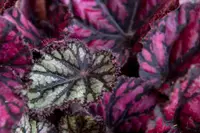



Best Soil for King Begonia (Begonia rex)

Begonia rex grows best in a loose, organic soil mix with reliable drainage and a slightly acidic reaction to support healthy roots.

Soil Texture

Loamy, Organic-rich

Soil pH

Acidic (5.5–6.5), Slightly acidic (6.5–7.0)

Soil Drainage

Moist but well-drained

Begonia rex Soil Guide

Native to northeastern India, southern China, and Vietnam, Begonia rex comes from humid forest conditions where the ground is rich in leaf litter and drains freely. That background explains why it prefers soil that stays lightly moist without becoming dense or soggy.

Its shallow, fine roots grow best in a loose, airy substrate with plenty of organic matter. The best soil for King Begonia feels soft and moisture-retentive, yet still has enough structure for oxygen to move around the roots. A slightly acidic to near-neutral reaction suits this balance well.

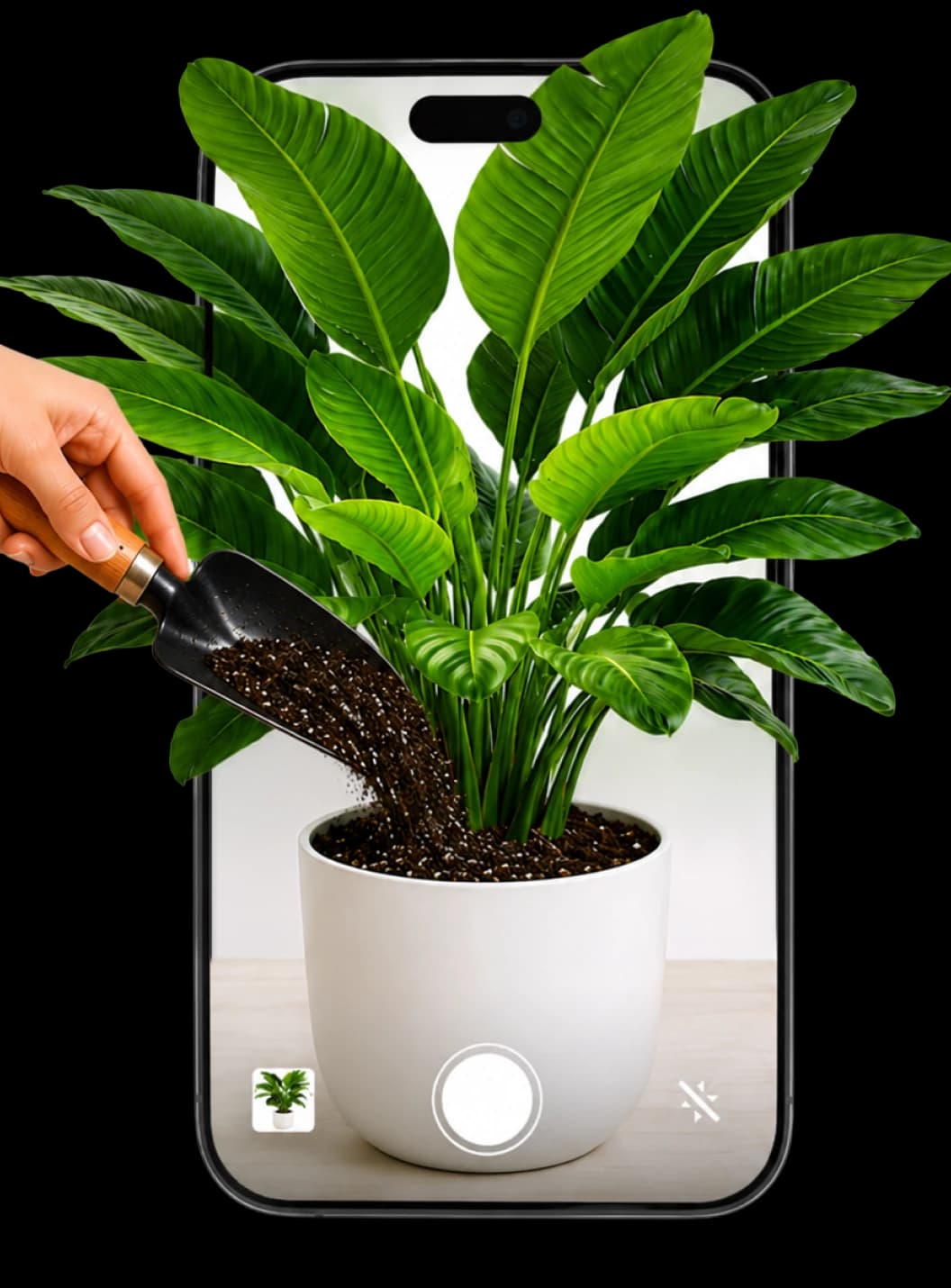
A homemade mix can give Begonia rex the balance of moisture retention and airflow it needs in a container.

100% total mix = 20 scoops
10%
fine orchid bark2 scoops
20%
perlite or pumice4 scoops
30%
high-quality potting soil6 scoops
40%
peat moss or coco coir8 scoops

The finished mix should feel light, springy, and crumbly, with moisture spreading through it evenly before excess drains away.

This species can react quickly when the root zone stays off-balance for too long. King Begonia is especially sensitive to stagnant, airless conditions around its fine roots.

Compacted soil:

Dense soil that dries unevenly or stays wet in the center can limit root airflow, so gently loosen the surface and plan to switch to a more open mix.

Sour-smelling mix:

A stale or swampy odor often points to poor oxygen in the root zone, and the first response is checking drainage and removing any trapped water.

Crusted soil surface:

A hard top layer can slow water entry and gas exchange, so lightly break the crust and refresh the top portion with loose material.

Breakdown over time:

As organic particles decompose, the mix may shrink and hold less air, so replacing worn soil is often more helpful than trying to patch it repeatedly.

Better Soil Starts Here

Botan helps match this plant to a more suitable soil setup, so mix and texture choices are easier to judge before problems build up.

FAQ

Yes. Drainage holes help excess water leave the container, which lowers the risk of stale, saturated conditions around the roots and keeps the potting mix more stable over time.

Everything About King Begonia

More Plant Soil Guides

Check Your Soil Choice

If a plant looks off, soil may be one factor worth checking. Botan’s photo-based assessment can help point to conditions that deserve a closer look.

Botan app helping with soil and plant care
How to Group Plants in Landscaping: A Practical Layout Guide

8 min read · 31 Aug 2026

How to Group Plants in Landscaping: A Practical Layout Guide

Good plant grouping can mean the difference between a well-planned garden and one that looks sloppy. This guide explores layers, spacing, cluster shapes, and the plants that thrive when you group them.

Plant Care
How to Group Plants in Landscaping: A Practical Layout Guide
How to Tell if a Plant Is Dead

6 min read · 19 Aug 2026

How to Tell if a Plant Is Dead

A plant can lose its leaves, stop growing, or collapse and still remain alive. A closer look at the stems, roots, bulbs, and tubers can show whether the plant still has a chance to recover.

Beginner Guides
How to Tell if a Plant Is Dead
How to Increase Humidity for Plants – 8 Simple Ways That Work

8 min read · 14 Aug 2026

How to Increase Humidity for Plants – 8 Simple Ways That Work

Dry indoor air stresses a lot of houseplants. You usually notice it first in the browning leaf tips. This guide describes 8 simple ways to raise the moisture around your plants, from humidifiers to pebble trays.

Plant Care
How to Increase Humidity for Plants – 8 Simple Ways That Work