




Best Soil for creeping thyme (Thymus serpyllum)

Thymus serpyllum grows best in loose, fast-draining soil that supports healthy roots and prevents excess moisture around the crown.

Soil Texture

Sandy, Loamy, Rocky

Soil pH

Slightly acidic (6.5–7.0), Slightly alkaline (7.0–7.5)

Soil Drainage

Well-drained

Thymus serpyllum Soil Guide

Native to Europe, western Asia, and parts of North Africa, Thymus serpyllum grows in open, sunny places with sandy, rocky, or loamy ground. Those habitats drain fast and stay airy, which explains why creeping thyme soil should feel open rather than dense or rich.

This plant forms a low, spreading mat with fine roots near the soil surface, so it performs best where oxygen moves easily through the root zone and excess water does not linger. The best soil for creeping thyme is mineral-lean, well-drained, and only moderately moisture-retentive.

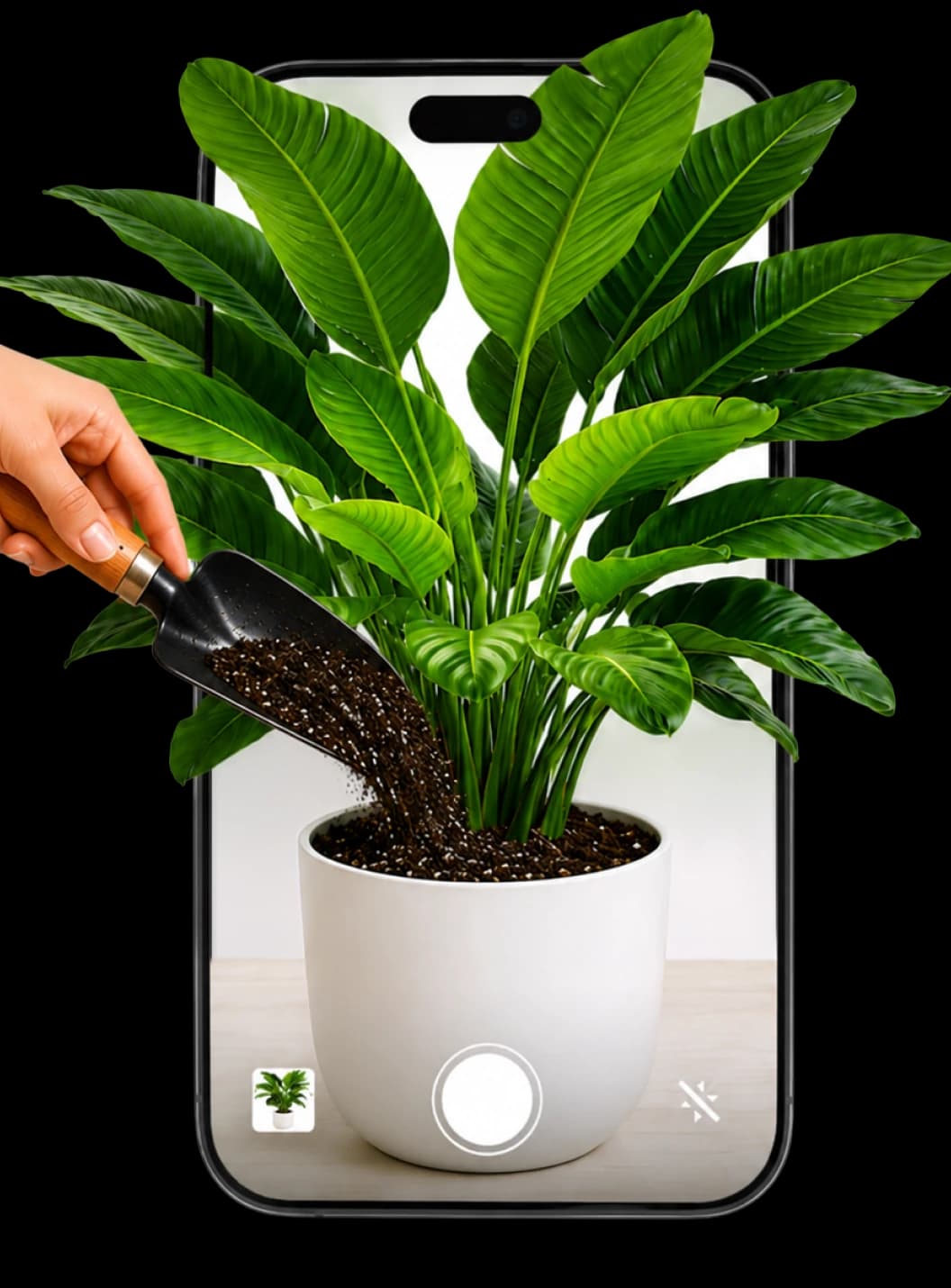
A simple homemade mix helps Thymus serpyllum stay evenly rooted without becoming heavy or compacted in the container.

100% total mix = 20 scoops
15%
fine gravel or small grit3 scoops
20%
perlite or pumice4 scoops
25%
coarse sand5 scoops
40%
potting soil8 scoops

The finished blend should feel light, crumbly, and slightly gritty, with water moving through promptly instead of lingering.

A good target for creeping thyme is 6.5–7.5 pH. This places it in slightly acidic to slightly alkaline soil, close to neutral overall.

Within that range, key nutrients stay available without pushing the root zone too far acidic or alkaline. The species can handle some variation, but staying near neutral usually supports steadier growth and nutrient uptake.

This species is more sensitive to lingering root-zone moisture than to lean soil. When growth declines, soil conditions are one factor worth checking first.

Compacted soil:

Compacted soil: if the surface crusts and the root area stays dense, gently loosen the top layer and improve airflow around the root zone.

Slow drainage:

Slow drainage: if water sits in the container too long or the soil stays wet well below the surface, move the plant into a faster-draining setup.

Salt buildup:

Salt buildup: a pale crust on the soil can point to accumulated minerals, so scrape off the top layer and replace it with fresh material.

Spent mix:

Spent mix: older media can collapse and lose structure, so if creeping thyme seems to decline in otherwise suitable conditions, refresh the soil base.

Better Soil Starts Here

Botan helps match this plant to a more suitable soil setup based on its needs and the conditions in your space.

FAQ

Yes. Drainage holes help excess water leave the container, which keeps the root zone from staying waterlogged and compact. That matters more than the exact pot style for long-term stability.

Everything About creeping thyme

More Plant Soil Guides

Check Your Soil Choice

If a plant looks off, Botan can help assess whether soil may be part of the issue using a photo and care context.

Botan app helping with soil and plant care
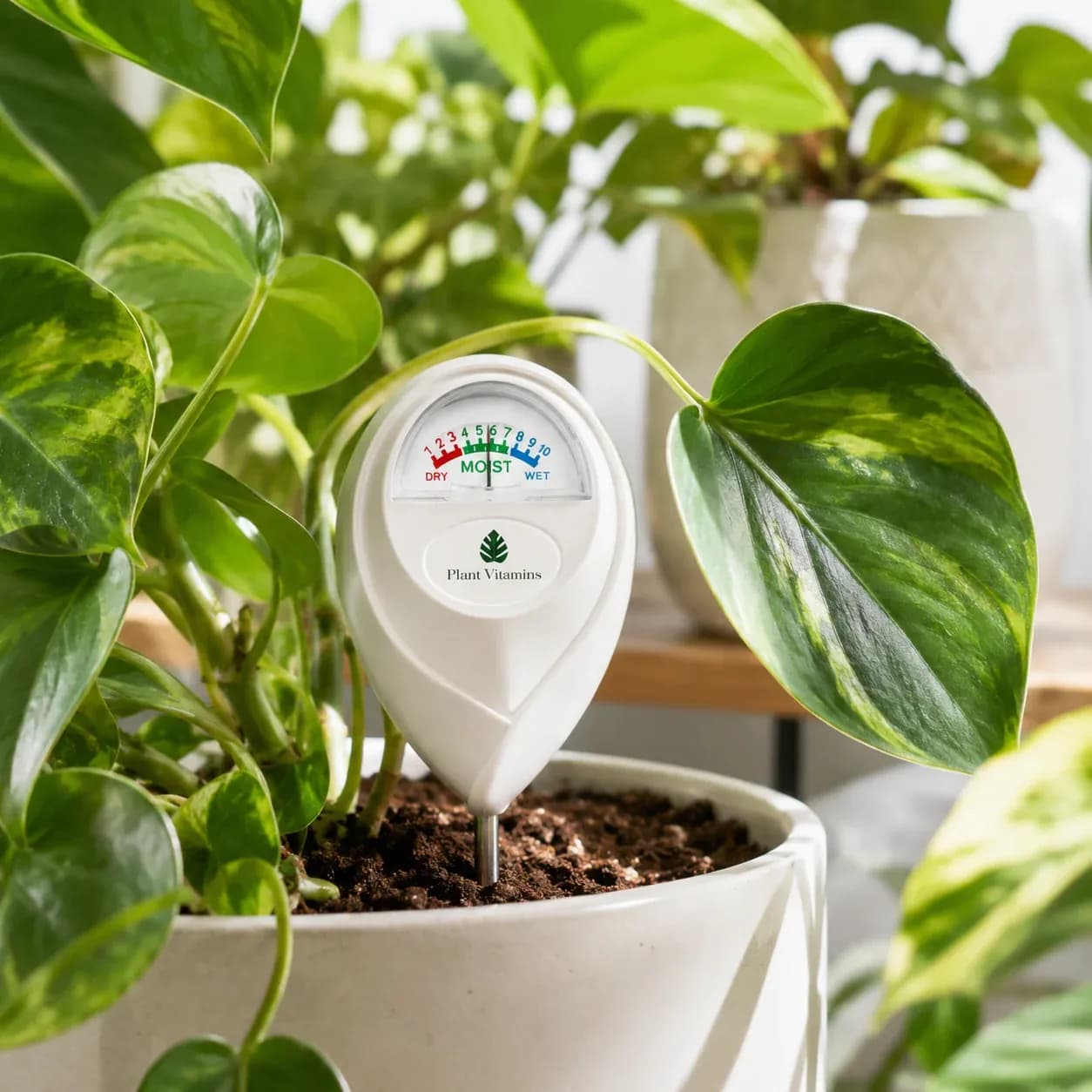
How to Use a Moisture Meter for Plants

5 min read · 4 Sept 2026

How to Use a Moisture Meter for Plants

Watering by feel kills plenty of houseplants. A moisture meter checks the soil for you, and takes the guesswork out of it. This guide will show you how to use it correctly, from the first touch to the final reading.

Beginner Guides

How to Use a Moisture Meter for Plants
Best Time to Water Grass in Summer – Lawn Watering Tips

5 min read · 21 Jul 2026

Best Time to Water Grass in Summer – Lawn Watering Tips

Summer watering is easy to get wrong. This guide explains when to turn on your sprinkler, how much liquid your grass needs each week, and how to tell if you're overwatering or underwatering.

Plant Care
Best Time to Water Grass in Summer – Lawn Watering Tips
12 Best Cold-Hardy Vegetables for Cold Weather

7 min read · 13 Oct 2026

12 Best Cold-Hardy Vegetables for Cold Weather

Cold-hardy vegetables can keep a garden productive through chilly fall, winter, and early spring weather. This guide covers 12 reliable crops, their frost tolerance, and practical growing tips for better cold-season harvests.

Plant Recommendations
12 Best Cold-Hardy Vegetables for Cold Weather