




Best Soil for sweet pea (Lathyrus odoratus)

For Lathyrus odoratus, a loose, organic-rich, well-drained soil supports steady root growth and helps keep the root zone healthy.

Soil Texture

Loamy, Sandy, Organic-rich

Soil pH

Acidic (5.5–6.5), Slightly acidic (6.5–7.0)

Soil Drainage

Moist but well-drained

Lathyrus odoratus Soil Guide

Native to Sicily, southern Italy, and nearby Mediterranean islands, Lathyrus odoratus grows where winters are mild and soils stay airy rather than heavy. That background explains its preference for ground that holds some moisture but drains freely, so roots can keep growing without sitting in stagnant wet soil.

A loose loamy or sandy, organic-rich substrate suits its fine, spreading root system. The best soil for sweet pea balances moisture retention with aeration, giving roots steady access to water, oxygen, and nutrients while supporting strong seasonal growth and flowering.

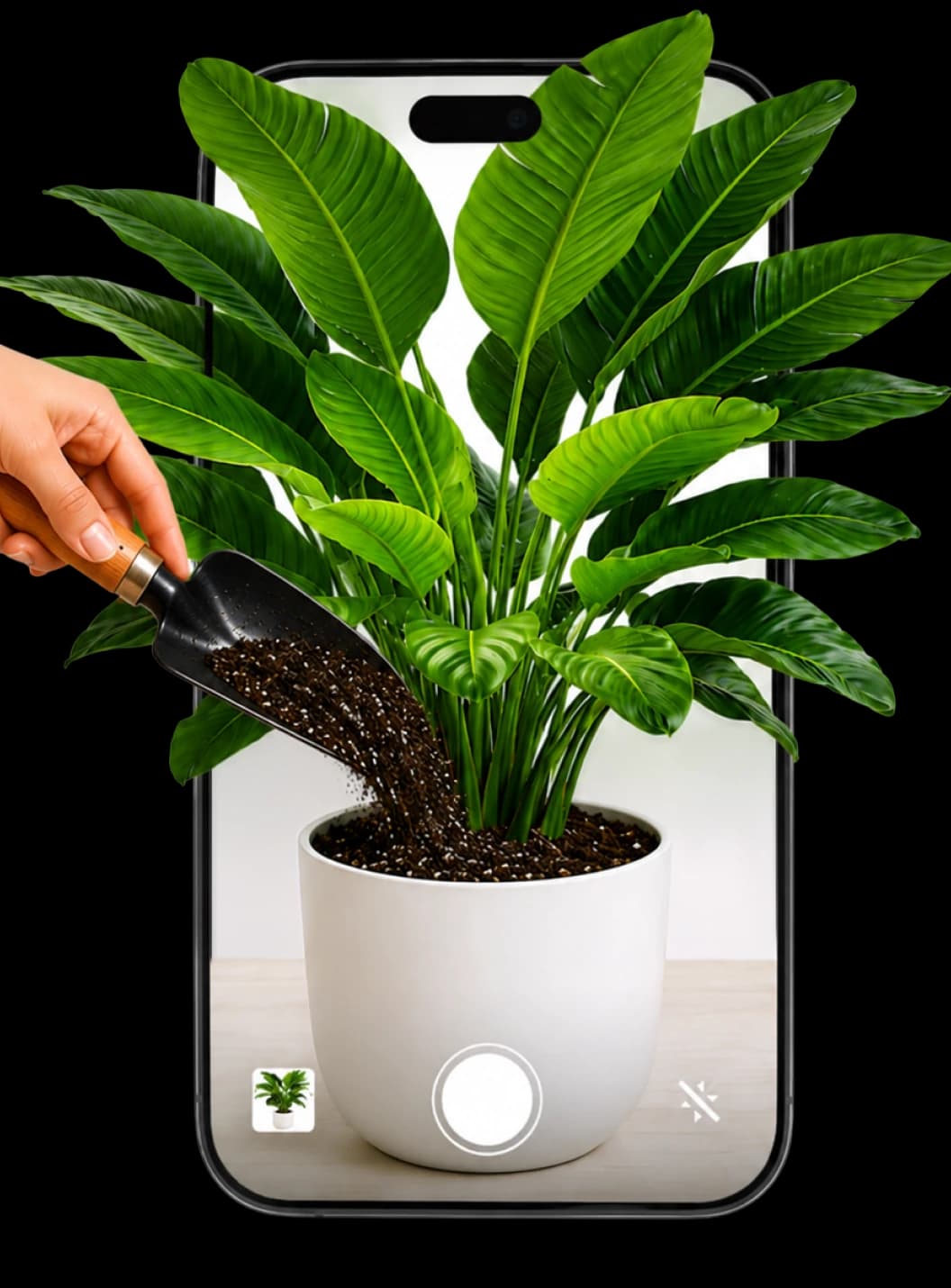
A simple homemade blend gives Lathyrus odoratus the balance of air, moisture, and structure its roots prefer.

100% total mix = 20 scoops
15%
perlite or pumice3 scoops
20%
coarse sand4 scoops
25%
compost or well-aged leaf mold5 scoops
40%
high-quality potting soil8 scoops

The finished mix should feel crumbly and light, with enough body to stay evenly moist while excess water moves through without sitting.

A slightly acidic to near-neutral range of about 5.5–7.0 suits sweet pea well. Within that range, key nutrients stay more available, which supports steady root activity and balanced growth.

If pH drifts too far from this range, some nutrients can become harder for the roots to absorb even when they are present in the soil.

This species can struggle when the root zone stays airless or overly compact. For Lathyrus odoratus, early soil checks often prevent larger setbacks.

Compaction:

Dense soil can limit oxygen around the roots and slow new growth, so gently loosen the surface and replace heavy material with a more open mix.

Poor drainage:

If the soil stays wet for too long or smells stale, improve drainage quickly by changing to a container and medium that release excess moisture better.

Low organic matter:

Thin, depleted soil may dry unevenly and support weaker growth, so refresh the root zone with nutrient-rich organic material worked into the top layer.

Crusting surface:

A hard top layer can block air and slow water movement into the root area, so break it up lightly and top with fresher material.

Find the Right Soil

Botan helps match this plant to a more suitable soil setup based on its needs and the growing conditions shown in your photos.

FAQ

Yes. Deeper soil gives roots more room to run downward and helps moisture stay more even from top to bottom, which is useful for steady establishment in containers.

Everything About sweetpea

More Plant Soil Guides

Is Your Soil the Problem?

Botan can help check whether soil may be part of the issue by reviewing visible signs in a photo and narrowing down likely causes.

Botan app helping with soil and plant care
How to Group Plants in Landscaping: A Practical Layout Guide

8 min read · 31 Aug 2026

How to Group Plants in Landscaping: A Practical Layout Guide

Good plant grouping can mean the difference between a well-planned garden and one that looks sloppy. This guide explores layers, spacing, cluster shapes, and the plants that thrive when you group them.

Plant Care
How to Group Plants in Landscaping: A Practical Layout Guide
Planting Grass Seed in Summer – What Works and What Fails

7 min read · 6 Aug 2026

Planting Grass Seed in Summer – What Works and What Fails

Summer seeding succeeds when the grass type suits the season, and the soil stays moist. Find out how to prepare the seedbed and choose a safe window for planting.

Plant Care
Planting Grass Seed in Summer – What Works and What Fails
How to Plant Pumpkin Seeds for a Fall Harvest and Grow Your Own Patch

7 min read · 4 Nov 2026

How to Plant Pumpkin Seeds for a Fall Harvest and Grow Your Own Patch

A backyard pumpkin patch starts months before the first leaves turn: the harvest that ends up on the porch in October is decided by what a gardener does in late spring.

Beginner Guides
How to Plant Pumpkin Seeds for a Fall Harvest and Grow Your Own Patch