



Best Soil for watermelon (Citrullus lanatus)

For strong root growth, Citrullus lanatus needs loose, well-drained soil with a sandy-loamy texture and slightly acidic to acidic pH.

Soil Texture

Sandy, Loamy, Organic-rich

Soil pH

Acidic (5.5–6.5), Slightly acidic (6.5–7.0)

Soil Drainage

Well-drained

Citrullus lanatus Soil Guide

A loose, well-drained soil suits watermelon best. Citrullus lanatus is native to Africa and is adapted to warm, open ground where roots can spread easily through sandy or loamy soil. Good aeration matters because this plant grows fast and needs steady access to oxygen around the roots.

Moisture should be held evenly but not trapped. The best soil for watermelon has some organic richness to support vigorous growth, while still draining freely after watering or rain. A slightly acidic to acidic soil helps roots take up nutrients efficiently without staying heavy or compacted.

A simple custom mix helps balance drainage and moisture retention for Citrullus lanatus, especially in containers or raised beds.

100% total mix = 20 scoops
10%
perlite or pumice2 scoops
20%
coarse sand4 scoops
30%
compost6 scoops
40%
high-quality garden soil or raised-bed soil8 scoops

The finished mix should feel crumbly and open, hold together lightly in the hand, and let excess water move through without leaving the root zone soggy.

A good target is 5.5–6.8 pH. This species prefers slightly acidic to acidic soil, where key nutrients such as nitrogen, phosphorus, and micronutrients stay more available to the roots.

Watermelon can handle a modest shift within that range, but strongly alkaline or very acidic conditions can reduce nutrient uptake even when the soil otherwise looks fine.

This species can struggle when roots sit in stale, compacted, or unevenly moist conditions. Check the soil first when watermelon growth seems slower than expected.

Compacted soil:

Compacted soil: If the surface crusts and water lingers instead of soaking in evenly, gently loosen the top layer and improve air space around the roots.

Poor drainage:

Poor drainage: Soil that stays heavy for long periods can stress roots, so pause extra moisture and check whether the container or bed drains freely.

Low organic matter:

Low organic matter: If the soil dries very fast and growth seems weak, blend in finished compost to improve moisture balance and root contact.

Crusted surface:

Crusted surface: A hard top layer can limit airflow and slow water entry, so lightly break the crust without disturbing deeper roots.

Soil Help, Fast

Botan helps match this plant to a more suitable soil setup based on how it grows and what its current condition suggests.

FAQ

Usually yes. Loosen the planting area deeply and work in organic matter if the ground is hard or low in nutrients. The goal is a friable root zone with steady drainage and easy root spread.

More Plant Soil Guides

Check What the Soil Is Doing

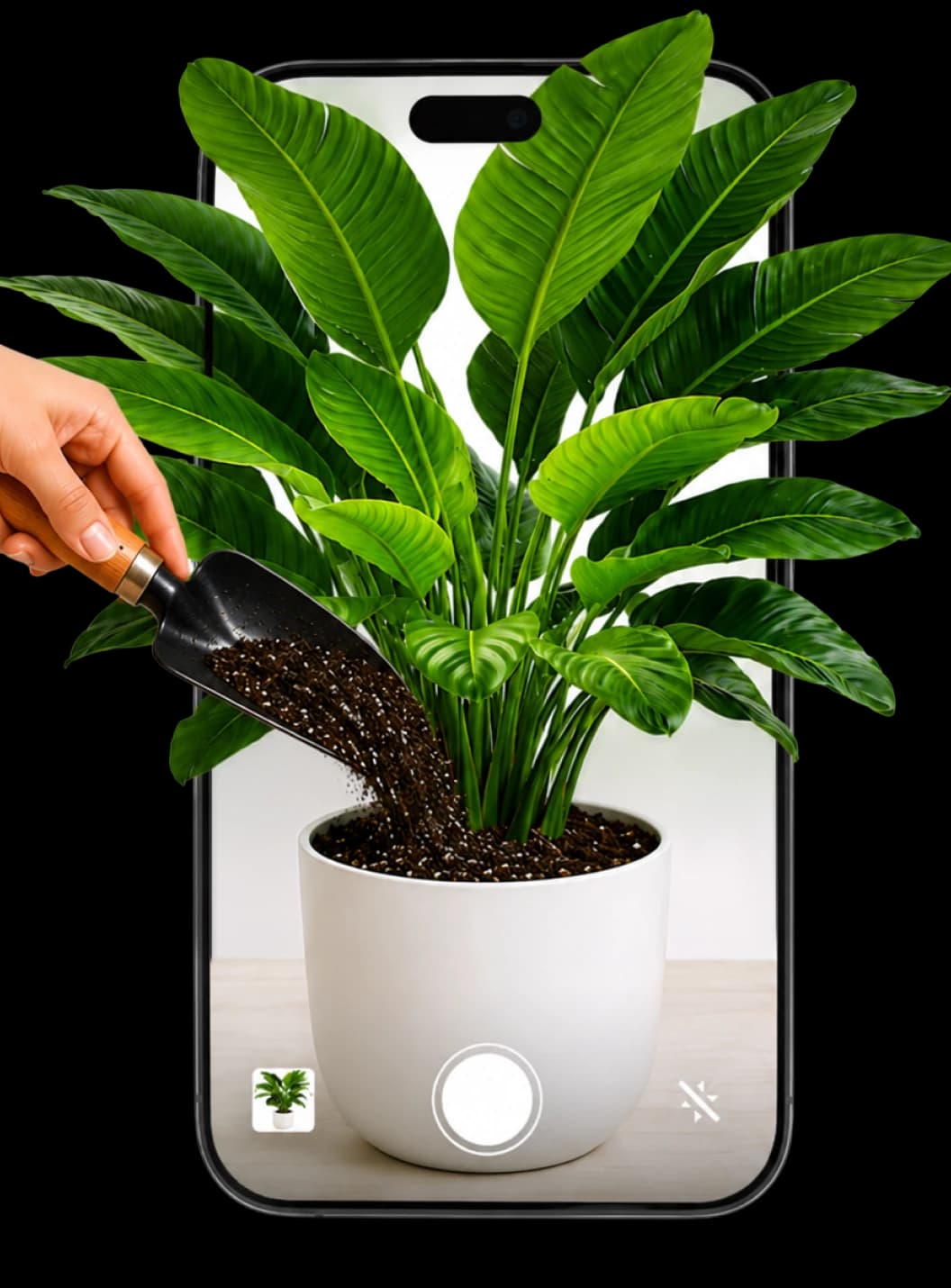
A photo check can help show whether soil may be part of the issue. Botan reviews visible stress and points to likely soil-related factors to examine.

Botan app helping with soil and plant care
Plant Pot Sizes: How to Choose the Right Plant Container

7 min read · 20 Aug 2026

Plant Pot Sizes: How to Choose the Right Plant Container

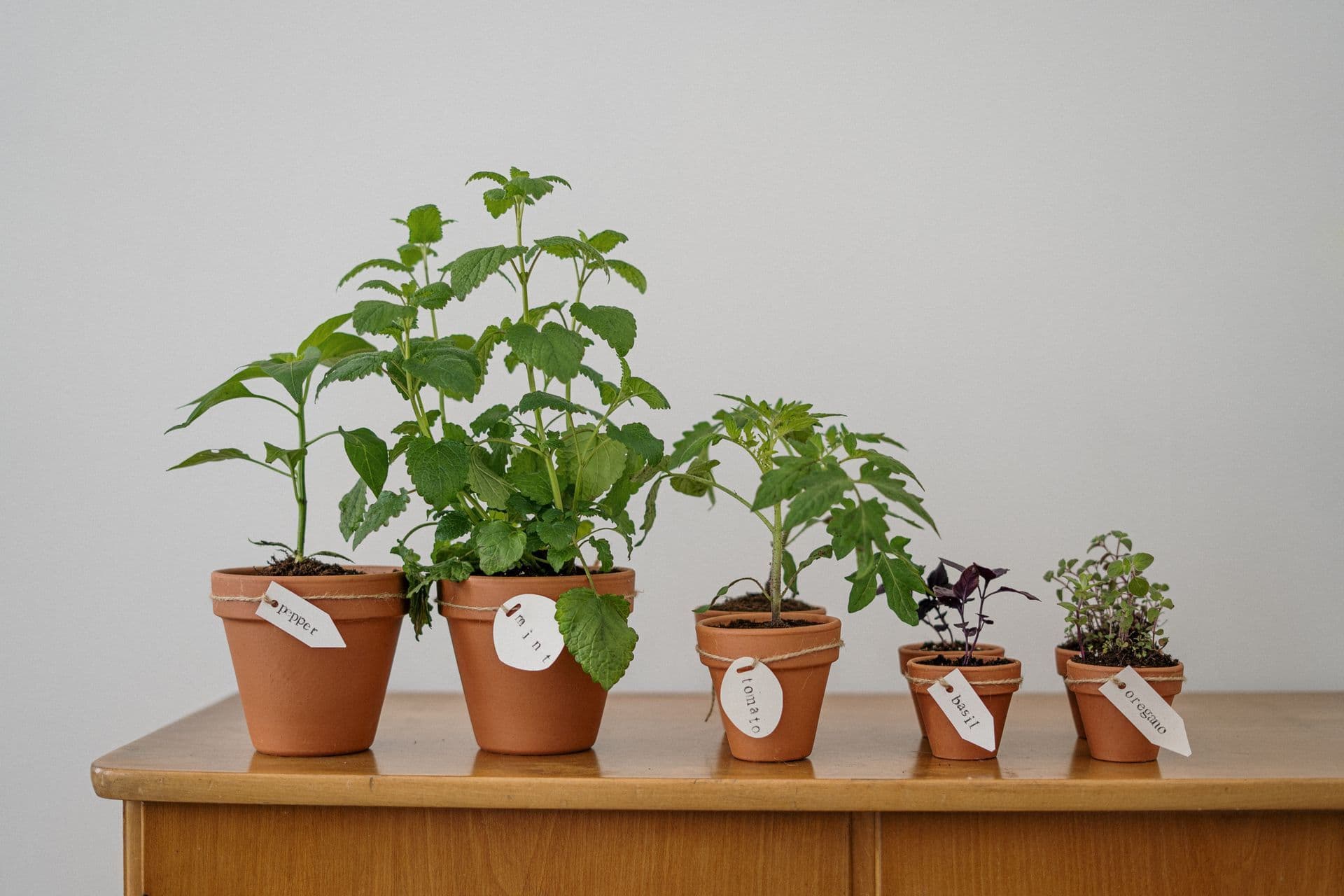
Plant pot sizes can be confusing because the number on the label only tells you part of the required information. A container may look spacious but actually be too shallow. So, how to choose pot size for plant species?

Beginner Guides
Plant Pot Sizes: How to Choose the Right Plant Container
Plants That Repel Mosquitoes – 10 Effective Choices

8 min read · 6 Jul 2026

Plants That Repel Mosquitoes – 10 Effective Choices

Plants that repel mosquitoes can help mask human scent naturally and make outdoor spaces more comfortable. Explore the most effective options, their benefits and drawbacks, and choose the right plant for your space.

Plant Recommendations
Plants That Repel Mosquitoes – 10 Effective Choices
12 Most Wanted Rare Houseplants to Grow at Home

6 min read · 21 Sept 2026

12 Most Wanted Rare Houseplants to Grow at Home

Rare houseplants can turn an ordinary corner in your apartment into a living botanical collection. This guide covers 12 most admired picks, what makes them special, and how to grow them successfully at home.

Plant Recommendations
12 Most Wanted Rare Houseplants to Grow at Home