






Best Soil for peach (Prunus persica)

Prunus persica grows best in loose, well-drained soil with a slightly acidic reaction that supports healthy root growth.

Soil Texture

Sandy, Loamy, Clay

Soil pH

Acidic (5.5–6.5), Slightly acidic (6.5–7.0)

Soil Drainage

Well-drained

Prunus persica Soil Guide

Native to China, Prunus persica evolved in temperate regions with seasonal moisture and open, mineral soils. That background explains its preference for well-drained ground that still holds some moisture, rather than soil that stays wet or dense for long periods.

The best soil for peach is usually loamy or sandy-loam, though it can also grow in lighter clay if drainage and aeration are good. Its root system benefits from soil with enough pore space for oxygen, which supports steady root growth, water uptake, and anchorage without prolonged saturation.

A simple homemade mix can give Prunus persica the balance of structure, airflow, and moisture retention it needs in a container.

100% total mix = 20 scoops
15%
perlite or pumice3 scoops
20%
compost or well-aged bark fines4 scoops
25%
coarse sand5 scoops
40%
loam-based garden soil8 scoops

The finished blend should feel crumbly and gritty, hold together lightly when squeezed, and let excess water move through without staying soggy.

A slightly acidic to mildly acidic range of about 5.5–6.8 suits peach best. In that zone, key nutrients stay more available to the roots, especially iron and other micronutrients that become harder to absorb in more alkaline soil.

This species can handle a small amount of variation, but drifting too far from that range may limit nutrient uptake even when the soil itself seems otherwise suitable.

Root stress in this species is often linked to soil staying poorly balanced for too long. Check the root zone first before assuming a larger health issue.

Compacted soil:

Dense soil can slow root activity and leave the surface hard after watering; gently loosen only the top layer and improve air space around the root zone.

Waterlogged root zone:

A sour smell, slow drying, or persistently heavy soil can point to excess moisture; pause extra watering and check whether drainage is moving freely.

Dry, shrinking soil:

If the mix pulls away from the pot edge, it may be drying unevenly; re-moisten the root area gradually so moisture can spread back through it.

Salt buildup:

A pale crust on the surface may mean minerals are accumulating; scrape off the top layer and flush with clean water if drainage is working properly.

Right Plant. Right Soil.

Botan helps match the right soil approach to your plant’s actual needs, so it is easier to choose a mix that supports stronger root growth.

FAQ

Yes. Drainage holes help excess water leave the container, which lowers the risk of stagnant moisture and keeps the root zone better aerated over time.

Everything About peach

More Plant Soil Guides

Wrong Soil? Check It.

If your plant looks off, soil may be one factor worth checking. Botan’s photo-based assessment can help point to likely care issues.

Botan app helping with soil and plant care
How to Mist Plants – Proper Technique and Common Mistakes

7 min read · 30 Jul 2026

How to Mist Plants – Proper Technique and Common Mistakes

Find out when misting works well and when to avoid it. Here, you’ll find detailed information about compatible and incompatible species, tips on how often to mist plants and do it correctly, and some great alternatives for raising humidity.

Beginner Guides
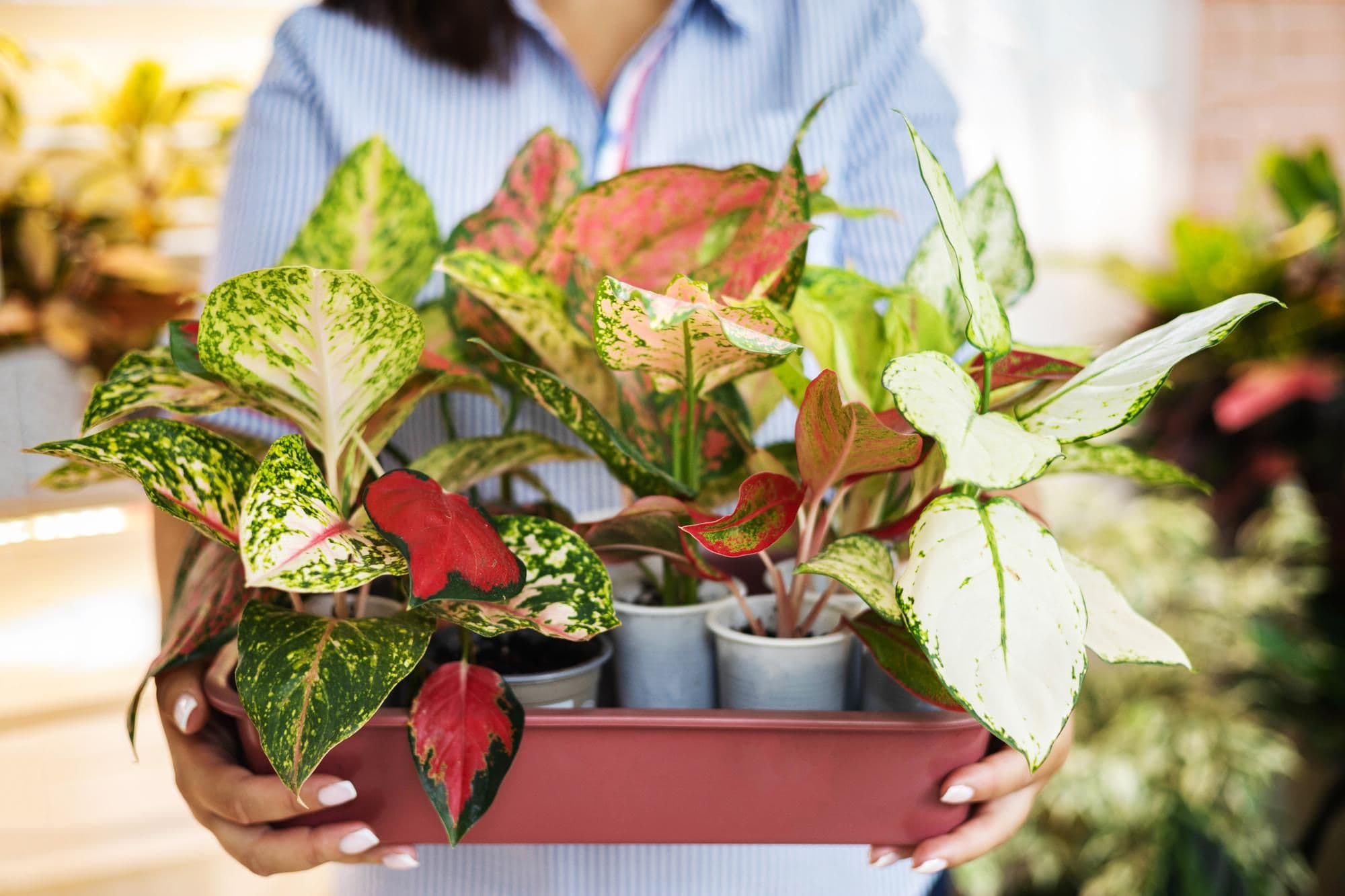
How to Mist Plants – Proper Technique and Common Mistakes
12 Most Wanted Rare Houseplants to Grow at Home

6 min read · 21 Sept 2026

12 Most Wanted Rare Houseplants to Grow at Home

Rare houseplants can turn an ordinary corner in your apartment into a living botanical collection. This guide covers 12 most admired picks, what makes them special, and how to grow them successfully at home.

Plant Recommendations
12 Most Wanted Rare Houseplants to Grow at Home
How to Winterize Your Garden in 6 Steps

5 min read · 28 Sept 2026

How to Winterize Your Garden in 6 Steps

Learn how to prepare your garden for winter with a practical six-step checklist covering cleanup, tender plant care, watering, mulching, winter protection, and winterizing equipment and containers.

Plant Care
How to Winterize Your Garden in 6 Steps