


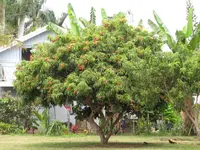
peach (Prunus persica) Light Needs

peach grows best in full sun, with long daily exposure and several hours of direct sunlight.

Light Preference

Full Sun

Prunus persica Light Requirements

Prunus persica was domesticated in China and is adapted to open, sunny sites with warm growing seasons and a winter rest period. It is associated with exposed orchard conditions rather than understory shade, especially during spring and summer. In cultivation, strong light supports dense shoot growth, flower bud formation, and fruit ripening, while shaded positions reduce vigor. Its preferred light is full sun.

  • Ideal exposure:

    peach needs about 6–8 or more hours of full sun daily, including at least 6 hours of direct sun.

  • Direct sun:

    Established specimens tolerate full-day direct sun when they have been grown in bright outdoor conditions.

  • Low light:

    Shade is poor for long-term growth and often reduces flowering, fruiting, and branch strength.

  • Hot exposure:

    Afternoon sun is usually suitable, but sudden exposure during heat waves can scorch tender new growth.

Full sun is preferred, but abrupt or extreme exposure can still stress tender growth.

Bleached leaf patches:

Pale tan areas may appear on the most exposed leaves after a sudden move into stronger sun.

Crisp scorched spots:

Dry brown patches often show on the upper or outer canopy where afternoon sun is strongest.

Sun-facing fruit marks:

Exposed fruit can develop bleached, leathery areas when heat and direct sun are intense.

Stressed new shoots:

Soft new growth may curl or look dull after rapid exposure to hot, reflective conditions.

Reduce the intensity with temporary afternoon shade, then reintroduce stronger sun over 7–10 days. Move container-grown specimens away from walls, pavement, or glass that amplifies heat.

Weak light affects growth before it causes obvious decline. Prunus persica usually shows this most clearly in spring and summer.

  • Long thin shoots:

    New stems may stretch quickly with wide gaps between leaves.

  • Leaning growth:

    Branches may angle toward the brightest side instead of filling evenly.

  • Reduced bloom:

    Flower bud formation can be poor, leading to fewer blossoms and little or no fruit.

  • Small new leaves:

    Fresh growth may stay smaller and less sturdy during the active season.

Move the plant to a sunnier outdoor position with direct exposure for most of the day. Increase sun gradually if it has been shaded for a long period.

Choose the brightest outdoor location available if full-day sun is not possible, and prioritize at least 6 hours of direct sun during the growing season.

Use a spot with morning-to-afternoon exposure rather than a shaded patio.

Avoid placing it under dense overhangs or between close buildings because those setups block the light needed for flowering and fruiting.

Get Personalized Care Plan

Scan your plant to receive care tips personalized for your specific plant

FAQ

The peach sunlight requirements are full sun, with about 6–8 or more hours of direct exposure during the growing season. Strong light supports sturdy growth, flowering, and fruit development.

Everything About peach

More Plant Light Guides

Get the Botan App

Discover how to care for your plants with Botan.

Botan app identifying a plant with a phone camera
How to Plant Pumpkin Seeds for a Fall Harvest and Grow Your Own Patch

7 min read · 4 Nov 2026

How to Plant Pumpkin Seeds for a Fall Harvest and Grow Your Own Patch

A backyard pumpkin patch starts months before the first leaves turn: the harvest that ends up on the porch in October is decided by what a gardener does in late spring.

Beginner Guides
How to Plant Pumpkin Seeds for a Fall Harvest and Grow Your Own Patch
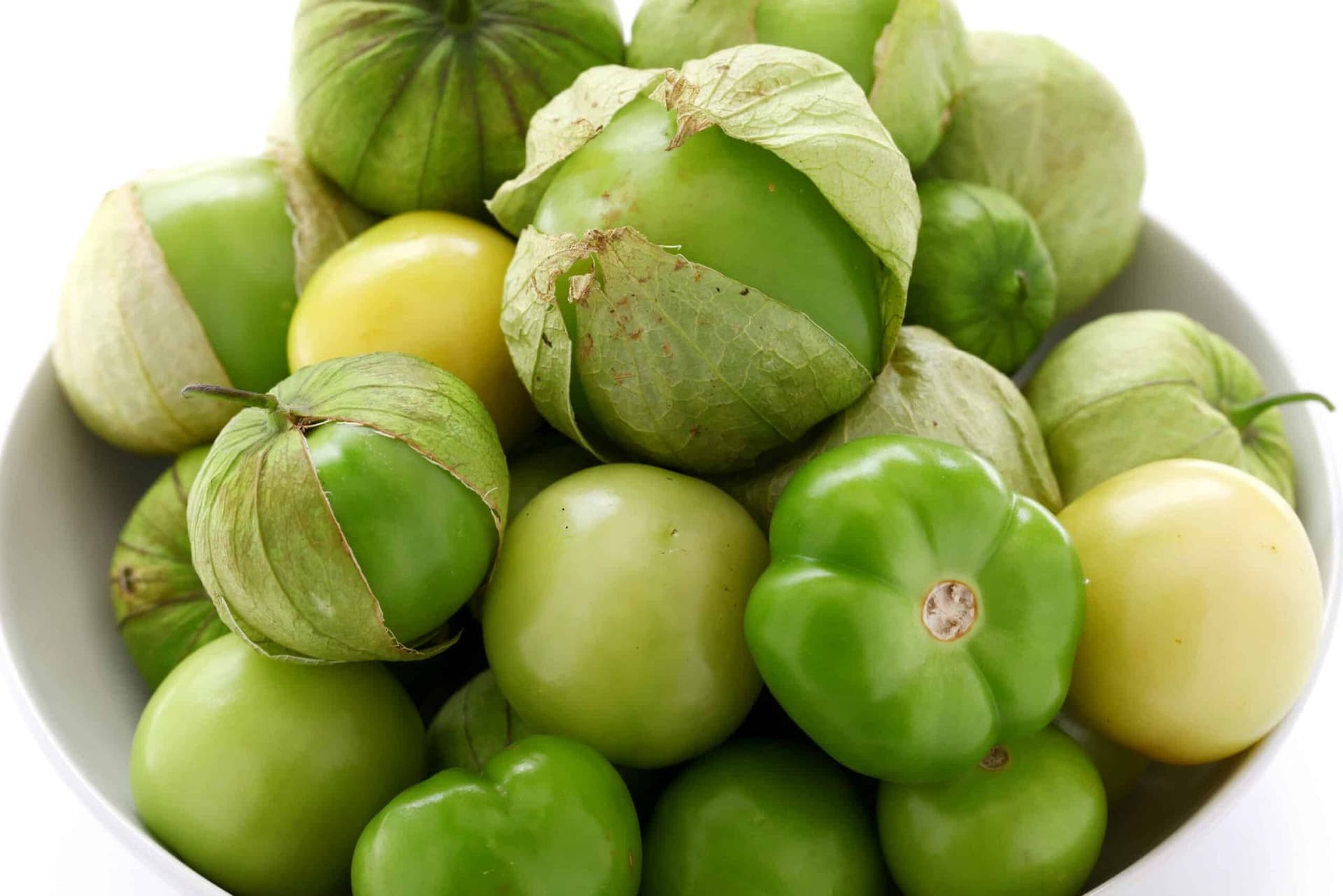
When to Harvest Tomatillos: How to Tell When They're Ripe

4 min read · 20 Oct 2026

When to Harvest Tomatillos: How to Tell When They're Ripe

Tomatillos grow inside papery husks, making it hard to judge ripeness at a glance. This guide explains how to know when tomatillos are ripe and offers practical advice on harvesting and storage.

Plant Recommendations
When to Harvest Tomatillos: How to Tell When They're Ripe
15 Best Indoor Plants for Your Home

3 min read · 13 Nov 2026

15 Best Indoor Plants for Your Home

Every plant lover has a small graveyard behind them. Here is the twist... most of those plants did not die from bad care.

Plant Recommendations
15 Best Indoor Plants for Your Home