

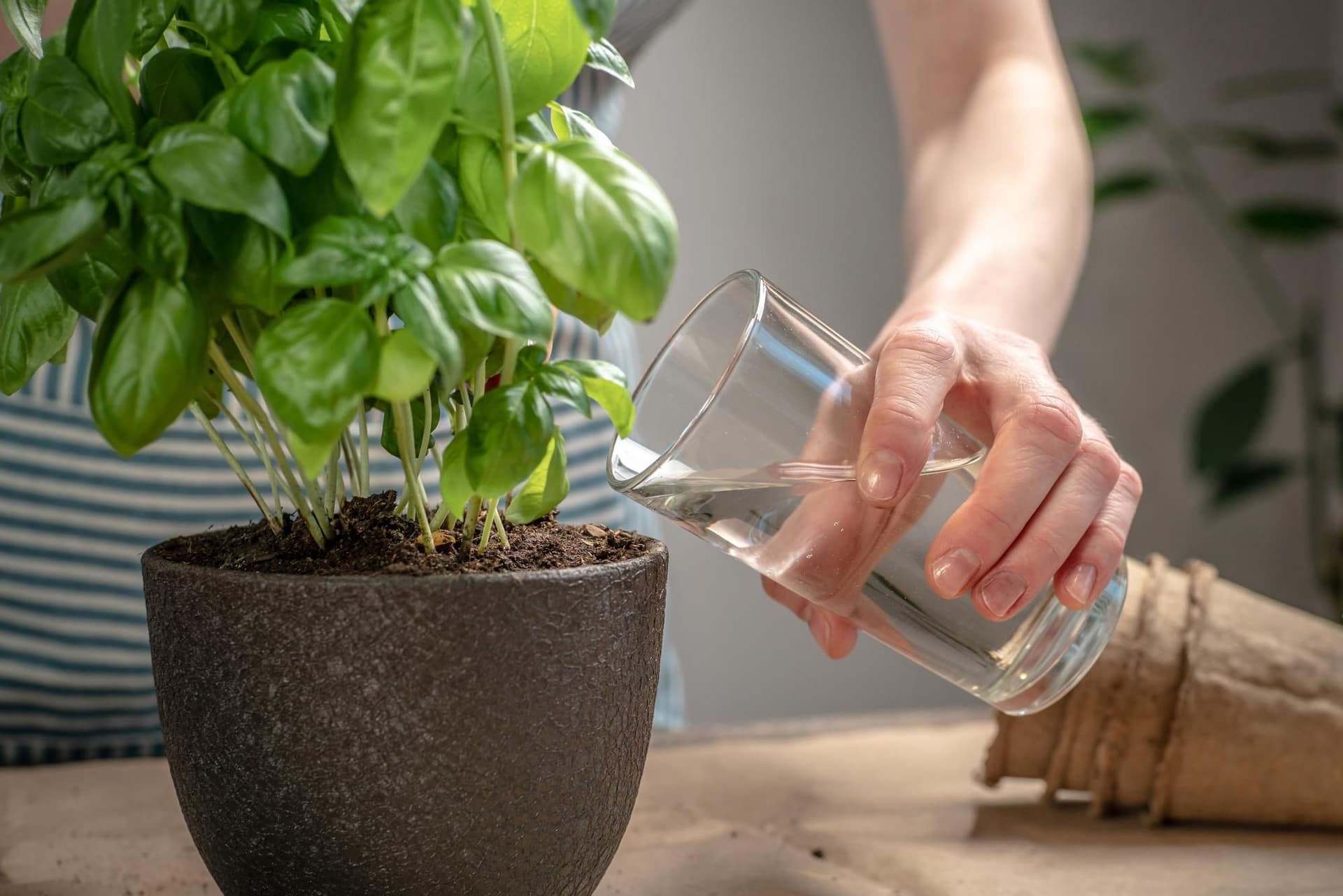
banana (Musa balbisiana) Light Needs

banana grows best in full sun, with long daily exposure and several hours of direct sunlight.

Light Preference

Full Sun

Musa balbisiana Light Requirements

Musa balbisiana is native to tropical and subtropical parts of Asia, where it grows in warm, humid areas with strong seasonal sunlight. It is commonly associated with open sites, forest edges, and disturbed clearings rather than deep shade. These habitats give the large leaves direct sun for much of the day, sometimes with brief filtering from nearby vegetation. Its preferred light is full sun.

  • Ideal exposure:

    banana needs about 6–8 hours of full sun daily, including at least 6 hours of direct sun when grown outdoors.

  • Direct sun:

    Established plants tolerate strong sun well, but leaves can scorch if moved suddenly from shade into intense exposure.

  • Partial sun:

    Partial sun is tolerated, especially where mornings are bright and afternoons are very hot.

  • Low light:

    Shade is not suitable because it reduces leaf size, strength, and overall growth.

This species tolerates full sun, but abrupt exposure can still cause stress.

Bleached patches:

Pale tan or whitish areas may appear on leaf surfaces most exposed to sudden intense sun.

Sunward scorch:

Dry, papery sections can develop on the side facing the strongest afternoon light.

Midday folding:

Leaves may fold or hang during extreme heat and bright sun, especially before the plant is acclimated.

Patchy burn:

Damage often appears in irregular exposed areas rather than evenly across the whole leaf.

Shift the plant to a spot with morning sun and lighter afternoon protection while it recovers. Reintroduce stronger sun over several days instead of making another abrupt move.

Low light usually shows as weaker growth rather than immediate leaf damage. Musa balbisiana is not adapted to shade.

  • Leaning growth:

    The main stem may angle toward the brightest side as it tries to capture more light.

  • Small new leaves:

    New leaves may emerge narrower or shorter than expected during warm, active growth.

  • Weak structure:

    Growth can look softer and less sturdy when light is too limited.

  • Reduced flowering:

    Low light can reduce the chance of flowering or fruit development on mature plants.

Move it to a brighter outdoor position with more direct sun. Increase exposure gradually if it has been in shade for a long period.

If ideal full sun is not available, choose the brightest outdoor spot that gives 4–6 hours of direct morning or midday sun. Avoid placing it where buildings or fences create shade for most of the day.

Improve exposure by removing movable shade sources or shifting the container a few feet into clearer light. Acclimate from shade to full sun over 7–10 days to reduce leaf scorch.

A deeply shaded patio or narrow side yard is unsuitable because it cannot meet Musa balbisiana light needs.

Get Personalized Care Plan

Scan your plant to receive care tips personalized for your specific plant

FAQ

The best light for banana is full sun. This plant grows strongest with long, bright exposure and several hours of direct sunlight each day, especially during the active growing season.

More Plant Light Guides

Get the Botan App

Discover how to care for your plants with Botan.

Botan app identifying a plant with a phone camera
Is Sugar Water Good for Plants?

4 min read · 14 Sept 2026

Is Sugar Water Good for Plants?

Sugar water may sound like an easy boost, but most rooted plants do not need extra sucrose. This guide explains how green tissues produce carbohydrates, when a sweetened solution can be useful, and why too much can cause problems.

Plant Care
Is Sugar Water Good for Plants?
How to Mist Plants – Proper Technique and Common Mistakes

7 min read · 30 Jul 2026

How to Mist Plants – Proper Technique and Common Mistakes

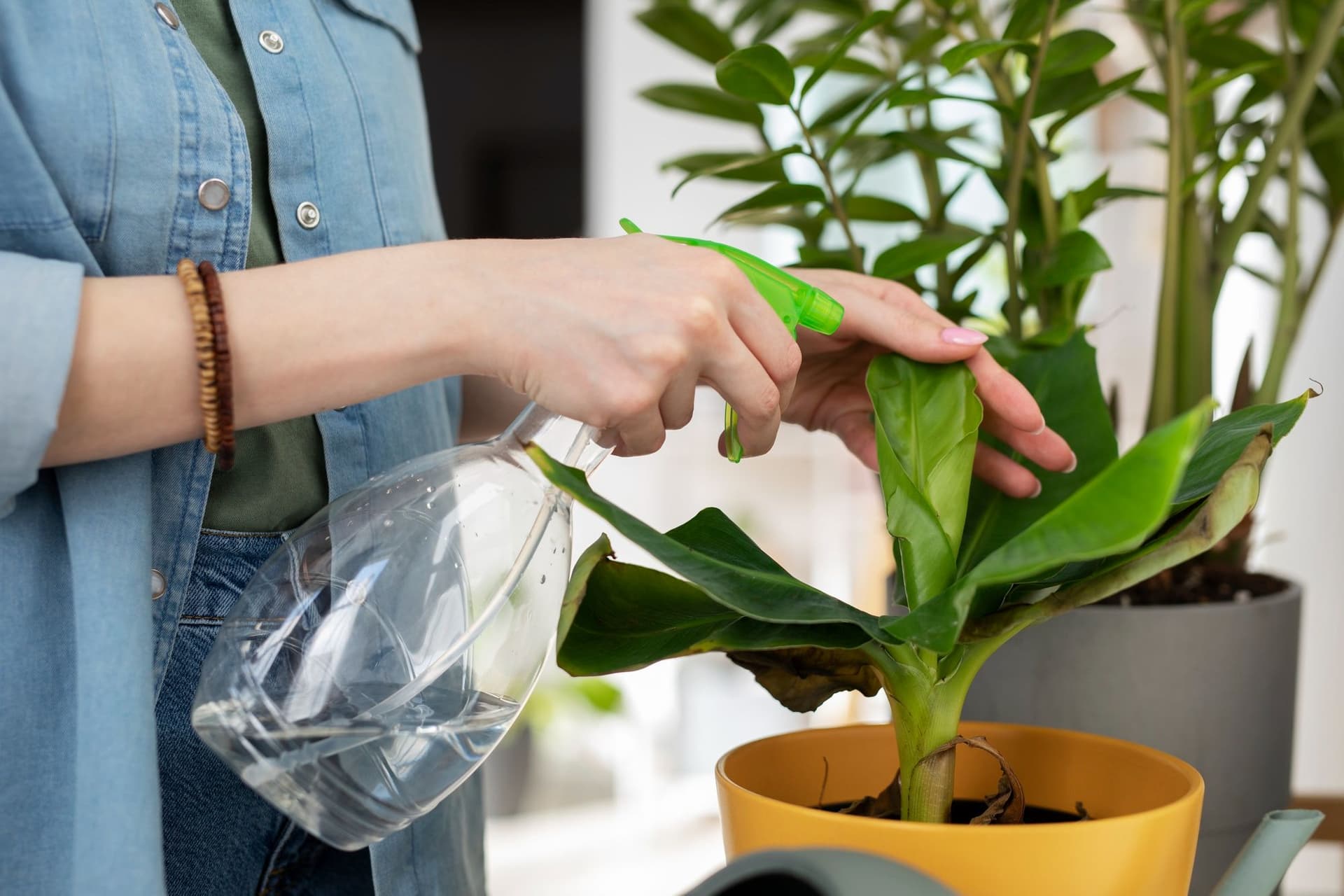
Find out when misting works well and when to avoid it. Here, you’ll find detailed information about compatible and incompatible species, tips on how often to mist plants and do it correctly, and some great alternatives for raising humidity.

Beginner Guides
How to Mist Plants – Proper Technique and Common Mistakes
How to Bottom Water Plants: Complete Guide

6 min read · 13 Jul 2026

How to Bottom Water Plants: Complete Guide

Bottom watering helps soil absorb moisture evenly and keeps foliage dry, reducing the risk of missed dry spots or root problems. Place the pot in a tray of water for a short time, then let it drain well.

Plant Care
How to Bottom Water Plants: Complete Guide