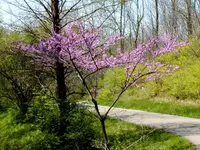


eastern redbud (Cercis canadensis) Light Needs

eastern redbud grows best in full sun to partial sun, with stronger flowering in open, bright exposure.

Light Preference

Full Sun

Cercis canadensis Light Requirements

eastern redbud is native to eastern and central North America, where it grows along woodland edges, open slopes, and gaps in deciduous woods. Young trees may receive filtered light under high canopies, while established trees often grow where seasonal sun reaches the crown.

In cultivation, those conditions translate to bright outdoor exposure with several hours of direct sun. Preferred light is full sun to partial sun.

  • Ideal exposure:

    eastern redbud needs about 6–8 hours of bright outdoor light daily, ideally full sun to partial sun, including 4–6 hours of direct sun.

  • Full sun tolerance:

    Mature trees tolerate all-day sun in many climates when they are established and not suddenly moved from shade.

  • Partial sun:

    Four hours of direct sun, especially in the morning, is usually enough for healthy growth but may reduce flowering.

  • Hot afternoon sun:

    In very hot sites, light afternoon shade can reduce leaf scorch on young or recently planted trees.

Strong sun is usually tolerated, but sudden exposure or extreme heat can stress leaves.

Bleached patches:

Pale tan or whitish areas may appear on the most exposed leaves after a rapid move into stronger sun.

Crisp leaf edges:

Dry brown margins can develop on young trees where hot afternoon sun hits the same side each day.

Afternoon droop:

Leaves may hang or curl during intense midday light, then look better once direct sun passes.

Uneven canopy color:

The sun-facing side may look duller or more scorched than shaded inner growth.

Shift new or container-grown trees into brighter sites gradually. In very hot exposures, provide light afternoon shade or choose a site with morning sun.

Low light is more limiting for this species than bright sun. Shade often shows first in growth and flowering.

  • Leaning growth:

    Branches may angle toward the brightest opening instead of forming a balanced crown.

  • Long spacing:

    New shoots can stretch with wider gaps between leaves when light is weak.

  • Few flowers:

    Bud set may be sparse, so spring bloom is lighter even when the tree is otherwise healthy.

  • Thin canopy:

    Interior and lower growth may stay open because shaded branches do not fill in well.

  • Slow extension:

    During the growing season, new growth may be shorter than expected for a young, established tree.

Move or plant it where the canopy receives several hours of direct sun. Avoid deep shade from buildings or dense overhead cover.

If a full-sun site is not available, choose partial sun with direct morning light and open sky for the rest of the day.

Select a planting spot away from dense overhead shade, fences, or walls that block the southern sky.

Avoid deep shade under structures or heavy canopy because it usually reduces bloom and creates thin, stretched growth.

Get Personalized Care Plan

Scan your plant to receive care tips personalized for your specific plant

FAQ

For eastern redbud light requirements, aim for full sun to partial sun. The species grows best with 6–8 hours of bright outdoor exposure, including several hours of direct sun.

More Plant Light Guides

Get the Botan App

Discover how to care for your plants with Botan.

Botan app identifying a plant with a phone camera
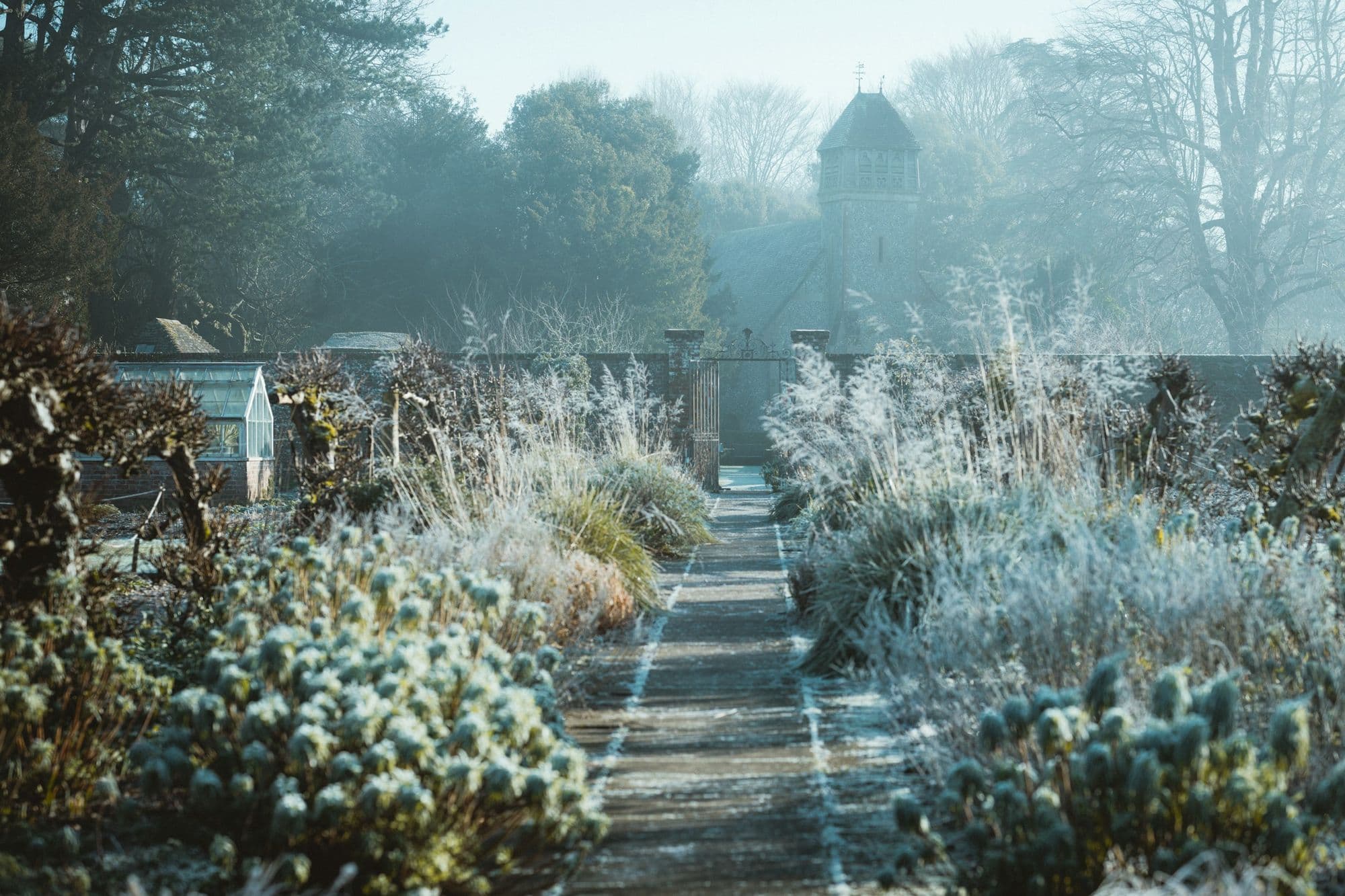
How to Winterize Your Garden in 6 Steps

5 min read · 28 Sept 2026

How to Winterize Your Garden in 6 Steps

Learn how to prepare your garden for winter with a practical six-step checklist covering cleanup, tender plant care, watering, mulching, winter protection, and winterizing equipment and containers.

Plant Care
How to Winterize Your Garden in 6 Steps
Can Plants Grow With Artificial Light?

6 min read · 15 Sept 2026

Can Plants Grow With Artificial Light?

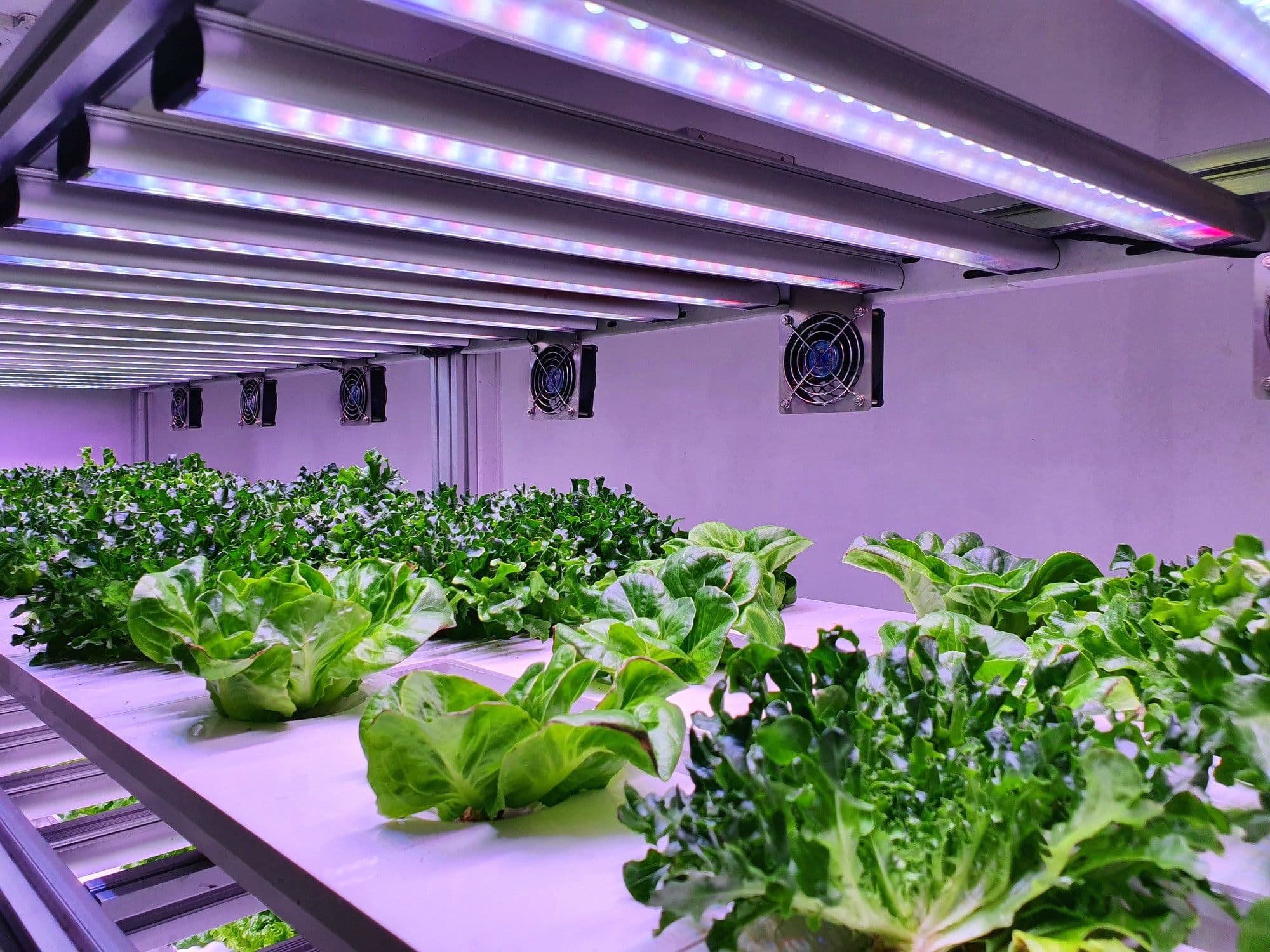
Plants can grow under artificial light when the setup provides a suitable spectrum, enough intensity, and sufficient daily exposure. This guide explains how artificial lighting compares with sunlight, which options work indoors, and how to match a setup to houseplants.

Plant Care
Can Plants Grow With Artificial Light?
What Plants Don't Like Epsom Salt?

11 min read · 29 Jul 2026

What Plants Don't Like Epsom Salt?

Learn which plants can be seriously damaged by Epsom salt and which will thrive on it. We’ll explain when and how to use it properly, provide tips for indoor & outdoor plants — read on and enjoy a healthy garden.

Plant Care
What Plants Don't Like Epsom Salt?