


eucalyptus (Eucalyptus spathulata) Light Needs

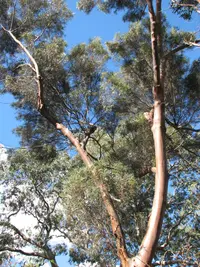
eucalyptus grows best in full sun, with long, direct exposure and very little tolerance for shade.

Light Preference

Full Sun

Eucalyptus spathulata Light Requirements

Eucalyptus spathulata is native to open, dry landscapes of southwestern Australia, where it grows in exposed sites with strong sun and little overhead shade. The species is adapted to bright, open conditions rather than forest understory light.

In cultivation, this background means it performs best where the canopy receives sun for most of the day through the growing season. Preferred light is full sun.

  • Ideal exposure:

    Eucalyptus spathulata needs about 6–8 hours of full sun daily, including at least 6 hours of direct sun when grown outdoors.

  • Direct sun:

    Established plants tolerate strong direct sun well, especially in open garden sites with good air movement.

  • Shade limits:

    Shaded locations are not suitable and often lead to weak, stretched, or sparse growth.

  • Hot transitions:

    A plant moved from shade into intense afternoon sun should be acclimated over 1–2 weeks to reduce scorch risk.

Strong sun is usually tolerated, but abrupt exposure or reflected heat can stress foliage.

Bleached patches:

Leaves may develop pale tan or silvery areas on the sun-facing side after a sudden move into intense afternoon sun.

Scorched tips:

Tender new growth can look crisp or browned where heat and direct rays concentrate.

One-sided marks:

Damage often appears mostly on the side facing hot reflected light rather than evenly across the canopy.

Move the plant out of reflected heat and reintroduce full sun over 1–2 weeks. Provide light afternoon filtering during heat waves.

Low light usually shows in new growth first, especially during the active growing season.

  • Stretched shoots:

    New stems may become long and thin as they reach toward a brighter opening.

  • Wide spacing:

    Leaves may sit farther apart on young stems, giving the canopy a loose, sparse look.

  • Leaning growth:

    A potted or young plant may angle toward the strongest light source instead of growing evenly.

  • Small new leaves:

    New foliage may emerge smaller than expected when light stays weak for extended periods.

  • Reduced flowering:

    Mature outdoor plants may flower less when shade limits daily sun.

Move it to an open, unshaded position with more direct sun. Increase exposure gradually if the plant has been shaded.

Choose the brightest open site available when a full day of sun is not possible. A half-day of direct sun is only a compromise, and the plant may grow more loosely.

Remove nearby objects that cast midday shade, and rotate containers monthly if one side receives less sun. Gradual changes reduce scorch after a shaded holding period.

A shaded porch or narrow side yard is unsuitable because it blocks the direct sun this species needs.

Get Personalized Care Plan

Scan your plant to receive care tips personalized for your specific plant

FAQ

This plant needs full sun, not shade. Aim for an open position with direct sun for most of the day and avoid spots blocked by buildings, fences, or dense overhead cover.

More Plant Light Guides

Get the Botan App

Discover how to care for your plants with Botan.

Botan app identifying a plant with a phone camera
How to Increase Humidity for Plants – 8 Simple Ways That Work

8 min read · 14 Aug 2026

How to Increase Humidity for Plants – 8 Simple Ways That Work

Dry indoor air stresses a lot of houseplants. You usually notice it first in the browning leaf tips. This guide describes 8 simple ways to raise the moisture around your plants, from humidifiers to pebble trays.

Plant Care
How to Increase Humidity for Plants – 8 Simple Ways That Work
Plant Pot Sizes: How to Choose the Right Plant Container

7 min read · 20 Aug 2026

Plant Pot Sizes: How to Choose the Right Plant Container

Plant pot sizes can be confusing because the number on the label only tells you part of the required information. A container may look spacious but actually be too shallow. So, how to choose pot size for plant species?

Beginner Guides
Plant Pot Sizes: How to Choose the Right Plant Container
12 Best Cold-Hardy Vegetables for Cold Weather

7 min read · 13 Oct 2026

12 Best Cold-Hardy Vegetables for Cold Weather

Cold-hardy vegetables can keep a garden productive through chilly fall, winter, and early spring weather. This guide covers 12 reliable crops, their frost tolerance, and practical growing tips for better cold-season harvests.

Plant Recommendations
12 Best Cold-Hardy Vegetables for Cold Weather