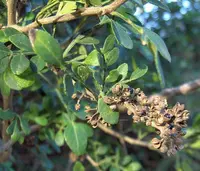



lime pricklyash (Zanthoxylum fagara) Light Needs

lime pricklyash grows best in full sun, with several hours of direct light each day.

Light Preference

Full Sun

Zanthoxylum fagara Light Requirements

In its native range across warm parts of Florida, the Caribbean, Mexico, and Central America, lime pricklyash grows in thickets, scrub, woodland edges, and open hammocks. These sites give it strong sun for much of the day, with some filtered light near taller vegetation.

This background fits its cultivated needs. It handles direct sun well once established and can grow in part sun. Preferred light is full sun.

  • Ideal exposure:

    Ideal exposure: lime pricklyash needs about 6–8 hours of full sun daily, with at least 6 hours of direct sun when grown outdoors.

  • Direct sun:

    Mature, acclimated plants tolerate strong sun, including afternoon sun, especially with normal outdoor air movement.

  • Part sun:

    It can grow with 4–6 hours of direct sun, but growth may be less dense and flowering lighter.

  • Deep shade:

    Shade is not suitable; weak light commonly leads to sparse growth and poor flowering.

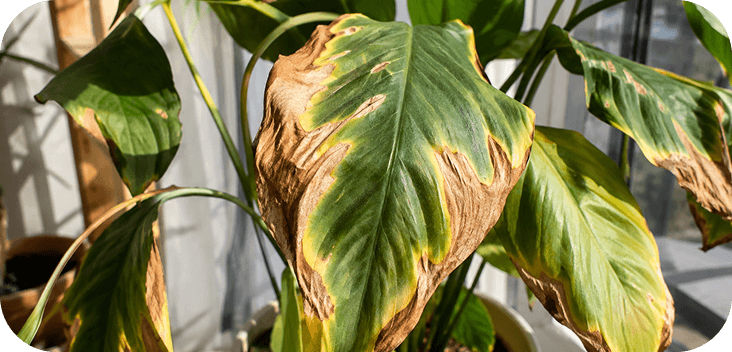
This species tolerates full sun, but sudden increases can still cause stress.

Sun-facing scorch:

Pale tan or dry patches may appear on the leaf surfaces that receive the harshest afternoon sun.

Bleached new growth:

Tender shoots can look washed out after a quick move from shade to open sun.

Midday curling:

Leaves may fold or look limp during intense heat and light, then improve as the sun lowers.

Hot-side browning:

Browning limited to the outer, most exposed canopy points to sun exposure more than an overall care issue.

Move the plant to partial sun or give light afternoon shade. Reintroduce stronger sun over 1–2 weeks so new growth can adjust.

Low light usually shows as weak structure rather than sudden damage. Zanthoxylum fagara is not a shade plant.

  • Stretched stems:

    New shoots become longer and thinner as they reach toward brighter exposure.

  • Wide spacing:

    Leaves may sit farther apart, giving the canopy an open, sparse look.

  • Reduced flowering:

    Flowering and fruiting can be limited when the plant receives only weak or brief sun.

  • Small new leaves:

    New growth may stay smaller than normal during the active growing season.

Shift it to a brighter outdoor position with morning sun first. Increase exposure gradually until it receives full sun or strong part sun.

If full sun is not available, choose the brightest part-sun spot with at least 4–6 hours of direct light. Favor morning and midday sun over a site that is bright only briefly.

Remove nearby objects that cast long shade, or prune surrounding growth enough to open the sky above the plant.

A shaded patio, dense overhang, or north-facing wall is unsuitable because it prevents the strong light this species uses for compact growth and flowering.

Get Personalized Care Plan

Scan your plant to receive care tips personalized for your specific plant

FAQ

This plant does best with about 6–8 hours of bright outdoor exposure daily. Full sun is ideal, although strong part sun can support acceptable growth.

More Plant Light Guides

Get the Botan App

Discover how to care for your plants with Botan.

Botan app identifying a plant with a phone camera
Top 15 Plants That Don’t Need Sunlight

8 min read · 17 Sept 2026

Top 15 Plants That Don’t Need Sunlight

Some plants thrive in dim rooms, shaded corners, and places with indirect light. In this guide, you’ll explore the top 15 species best suited to low-light conditions and how to care for them.

Plant Recommendations
Top 15 Plants That Don’t Need Sunlight
10 Easy Garden Flowers to Grow

8 min read · 10 Sept 2026

10 Easy Garden Flowers to Grow

Discover 10 garden flowers that require minimal care. Learn which characteristics make plants easy to grow and follow tips on how to create a beautiful corner from beginner-friendly blooms on your property.

Beginner Guides
10 Easy Garden Flowers to Grow
20 Most Popular Fruits Around the World

7 min read · 22 Jul 2026

20 Most Popular Fruits Around the World

Curious which fruits the world actually eats the most? Here's the top-20 by production volume, an overview of what people choose in each region, and a few figures that defy common assumptions.

Plant Recommendations
20 Most Popular Fruits Around the World