


Lantana (Lantana × strigocamara) Light Needs

Lantana grows best in full sun, with several hours of direct outdoor sunlight each day.

Light Preference

Full Sun

Lantana × strigocamara Light Requirements

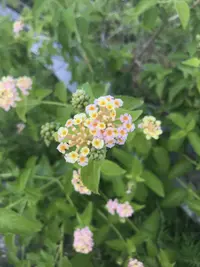
Lantana × strigocamara is associated with warm, open habitats where sunlight is strong for much of the day. It is commonly seen in exposed sites, field edges, roadsides, and other disturbed areas rather than dense shade.

These conditions explain why cultivated plants flower best with direct sun and steady brightness. Partial sun can maintain growth, but shade weakens flowering and stem density. Its preferred light is full sun.

  • Ideal exposure:

    Lantana needs about 6–8 hours of full sun daily, with at least 6 hours of direct sun for strongest flowering.

  • Full sun tolerance:

    Established plants tolerate long direct sun, including hot afternoon exposure, when acclimated and not placed against heat-reflecting surfaces.

  • Partial sun limit:

    Four to 6 hours of direct sun can keep growth healthy, but flowering is usually lighter than in full sun.

  • Shade is unsuitable:

    Bright shade or low light leads to stretched stems and few flowers, so it is not a good shade choice.

Excess light is uncommon in established outdoor plants but can happen after sudden exposure.

Bleached patches:

Leaves may develop pale tan or whitish areas after a sudden move from shade to intense sun.

Crisp exposed leaves:

The most sun-facing leaves may dry or scorch first, especially near hot pavement or reflective walls.

Wilted midday look:

Foliage may look limp during the hottest part of the day when heat and sun combine.

Faded flowers:

Flower clusters can fade faster in extreme afternoon exposure, especially during heat waves.

Move Lantana × strigocamara out of reflected heat or provide light afternoon filtering during extreme heat. Reintroduce stronger sun gradually if scorch appeared after a sudden exposure change.

Weak light usually shows up as poor flowering and stretched growth.

  • Fewer flowers:

    Blooming becomes sparse or stops during the growing season, even while stems continue to grow.

  • Stretched stems:

    New growth may become long, thin, and open, with wider spacing between leaves than usual.

  • Leaning growth:

    Stems may angle strongly toward the brightest side instead of forming an even, compact shape.

  • Small new leaves:

    Fresh leaves may stay smaller when the plant lacks enough energy from light.

Move Lantana × strigocamara to a sunnier outdoor position with several hours of direct sun. Increase exposure over several days if it has been in shade.

If ideal full sun is not available, choose the brightest outdoor spot that gives at least 4–6 hours of direct sun; this is the best compromise for Lantana × strigocamara light needs.

Rotate container plants every 1–2 weeks so all sides receive direct sun and growth stays more even.

Avoid deep porch shade or dense overhead cover because these setups are too dim for reliable flowering.

Get Personalized Care Plan

Scan your plant to receive care tips personalized for your specific plant

FAQ

This plant grows best in full sun, with strong direct light for much of the day. Light shade is tolerated, but flowering is usually reduced when sun is limited.

More Plant Light Guides

Get the Botan App

Discover how to care for your plants with Botan.

Botan app identifying a plant with a phone camera
Is Sugar Water Good for Plants?

4 min read · 14 Sept 2026

Is Sugar Water Good for Plants?

Sugar water may sound like an easy boost, but most rooted plants do not need extra sucrose. This guide explains how green tissues produce carbohydrates, when a sweetened solution can be useful, and why too much can cause problems.

Plant Care
Is Sugar Water Good for Plants?
Plant Pot Sizes: How to Choose the Right Plant Container

7 min read · 20 Aug 2026

Plant Pot Sizes: How to Choose the Right Plant Container

Plant pot sizes can be confusing because the number on the label only tells you part of the required information. A container may look spacious but actually be too shallow. So, how to choose pot size for plant species?

Beginner Guides
Plant Pot Sizes: How to Choose the Right Plant Container
12 Best Landscaping Trees for Your Garden

8 min read · 6 Oct 2026

12 Best Landscaping Trees for Your Garden

Choosing the landscape tree depends on what your garden needs most. These 12 options include compact flowering specimens, colorful deciduous trees, shade varieties, and evergreens suitable for screening and year-round structure.

Plant Recommendations
12 Best Landscaping Trees for Your Garden