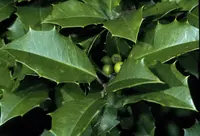


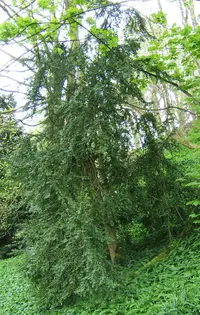
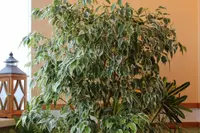
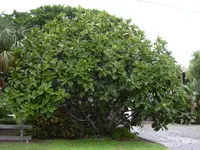
American holly (Ilex opaca) Light Needs

American holly grows best in partial sun, with several hours of direct light and some shade tolerance.

Light Preference

Partial Sun

Ilex opaca Light Requirements

American holly is native to the eastern and south-central United States, where it grows in moist woods, mixed forests, forest edges, and open fields. Young plants often start in filtered light or partial shade, while established trees can handle more open sun.

This range explains its garden flexibility. It tolerates shade, but denser growth and stronger berry production usually come with partial sun to full sun. Preferred light is partial sun.

  • Ideal exposure:

    American holly grows best with about 6–8 hours of bright outdoor light daily in partial sun to full sun, including 4–6 hours of direct sun.

  • Full sun:

    Established plants tolerate all-day sun when they are not moved suddenly from deep shade into intense exposure.

  • Partial shade:

    It can grow in partial shade, but dense shade often produces looser branching and fewer flowers and berries.

  • Sun timing:

    Morning sun is easier on newly planted or shaded plants than hot afternoon sun during summer.

Excess light is most likely after sudden exposure to intense sun.

Bleached leaves:

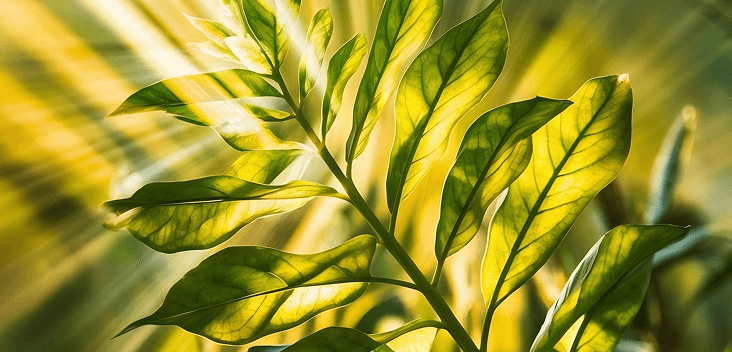
Leaves on the most exposed side may turn pale or washed out after sudden stronger sun.

Scorched patches:

Tan or brown dry areas can appear on upper leaf surfaces that receive harsh afternoon sun.

Exposed-side stress:

Damage is usually most visible on the south or west side, while shaded inner foliage remains greener.

New leaf burn:

Tender new growth may show spotting or crisping after a quick move from shade to full sun.

Shift the plant to partial sun or add temporary shade during the hottest part of the day. Acclimate Ilex opaca slowly before placing it in full, open exposure.

Shade tolerance does not mean deep shade is ideal. Low light usually shows through growth habit first.

  • Open growth:

    Branches may look sparse, with wider spaces between leaves and less dense interior foliage.

  • Leaning habit:

    New stems may angle toward the brightest side, especially when one side is shaded by a wall or larger plantings.

  • Few flowers:

    Low light can reduce flowering, which also limits berry production on female plants when pollination conditions are met.

  • Small new growth:

    Fresh shoots may be shorter and less vigorous during the active growing season.

Move Ilex opaca to a brighter outdoor site with partial sun if growth is weak. Increase exposure gradually when it has been growing in shade.

Choose partial sun when the ideal site is not available. A spot with morning sun and light afternoon shade is a strong compromise for steady growth without harsh summer exposure.

Improve light by placing it away from dense overhead shade or trimming nearby branches that block the sky. Rotate container-grown young plants periodically so growth stays more even.

Avoid deep shade under heavy structures or evergreen cover. That setup usually reduces density, flowering, and berry production.

Get Personalized Care Plan

Scan your plant to receive care tips personalized for your specific plant

FAQ

American holly light requirements are moderate to high: partial sun is ideal, with enough direct sun for dense growth and flowering. The species also tolerates full sun once established.

More Plant Light Guides

Get the Botan App

Discover how to care for your plants with Botan.

Botan app identifying a plant with a phone camera
How Long Can Flowers Go Without Water? Everything You Need to Know

6 min read · 10 Jul 2026

How Long Can Flowers Go Without Water? Everything You Need to Know

Flowers can survive without water anywhere from 1-2 hours to several months, depending on the plant type, species, and growing conditions. Some strong-looking flowers are drought-sensitive, while delicate-looking plants may tolerate long dry periods surprisingly well.

Plant Care
How Long Can Flowers Go Without Water? Everything You Need to Know
Dill Companion Plants – What to Grow Next to Dill

9 min read · 17 Jul 2026

Dill Companion Plants – What to Grow Next to Dill

Dill is an easy-to-grow plant that gets along well with many vegetables. This guide describes 15 plants that can be planted alongside it, a few to avoid, and mistakes that can quietly sabotage the entire process.

Plant Recommendations
Dill Companion Plants – What to Grow Next to Dill
How Often to Water Fruit Trees

7 min read · 11 Aug 2026

How Often to Water Fruit Trees

Irrigation needs change as roots establish and weather shifts. This guide gives practical starting intervals, explains how soil and tree type change them, and shows how to recognize both excess moisture and drought stress.

Plant Care
How Often to Water Fruit Trees