


Rose (Rosa 'Double Delight') Light Needs

Rose grows best in full sun, with several hours of direct light each day for strong flowering.

Light Preference

Full Sun

Rosa 'Double Delight' Light Requirements

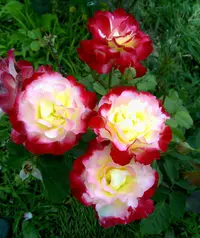
Rosa 'Double Delight' is a cultivated hybrid rather than a wild species with one native habitat. Its rose ancestry comes from open, sun-exposed environments where plants receive long daylight, moving air, and little overhead shade during the growing season. In gardens, the cultivar keeps that need for strong light to fuel repeat flowering and sturdy stems. Preferred light is full sun.

  • Ideal exposure:

    Rosa 'Double Delight' needs about 6–8 hours of full sun daily, including at least 6 hours of direct sun.

  • Direct sun:

    Established plants tolerate all-day direct sun when introduced gradually, but sudden exposure after shade can scorch foliage.

  • Partial sun:

    A 4–6-hour site can keep the plant alive, but flowering is usually lighter and stems may stretch toward brighter areas.

  • Afternoon heat:

    In hot climates, morning sun with light afternoon relief reduces heat stress while still supporting blooms.

Strong sun is usually tolerated, but harsh exposure can still cause stress.

Bleached petals:

Flowers may fade quickly or show pale, papery patches after intense afternoon sun.

Scorched leaf patches:

Leaves can develop tan or brown areas on the most exposed side, especially after a sudden move.

Crisp new growth:

Tender shoot tips may look dry or curled when bright sun combines with high heat.

One-sided damage:

Sun stress often appears on the sun-facing side rather than evenly across Rosa 'Double Delight'.

Shift the plant to a site with morning sun and some afternoon protection, or add temporary light shade during heat waves. Increase exposure gradually after any move from shade.

Too little light usually shows first in growth and flowering.

  • Long weak stems:

    New canes may stretch toward brighter areas and carry fewer sturdy flowering shoots.

  • Wide leaf spacing:

    Leaves may form farther apart along stems, giving the plant a thinner look.

  • Few blooms:

    Rosa 'Double Delight' may produce fewer buds, smaller flowers, or repeated blind shoots that do not flower.

  • Small new leaves:

    Fresh growth can stay smaller than expected during the active growing season.

  • Leaning growth:

    The plant may angle toward the brightest side instead of growing evenly upright.

Move it to a brighter outdoor position with at least 6 hours of direct sun. Make the change over several days if the new site is much brighter.

Choose the brightest site available if a full-day sun position is not possible, and prioritize 4–6 hours of direct morning or midday sun.

Prune or relocate nearby obstructions that cast shade during peak growing months, and rotate container-grown plants every 1–2 weeks for even exposure.

Avoid deep shade or locations lit only by reflected light, because those setups usually reduce blooming and create weak stems.

Get Personalized Care Plan

Scan your plant to receive care tips personalized for your specific plant

FAQ

Rose sunlight requirements are best met with about 6–8 hours of full sun daily, including at least 6 hours of direct sunlight for strong flowering.

More Plant Light Guides

Get the Botan App

Discover how to care for your plants with Botan.

Botan app identifying a plant with a phone camera
When to Plant Hydrangeas: Best Time by Season and Type

6 min read · 30 Oct 2026

When to Plant Hydrangeas: Best Time by Season and Type

Hydrangeas grow best when you plant them in cool weather. This guide explains when to plant hydrangeas in your area, compares fall and spring planting seasons, and shows the right steps for each type.

Beginner Guides

When to Plant Hydrangeas: Best Time by Season and Type
Banana Peel Water for Plants: 5 Things to Know Before Trying It

5 min read · 9 Jul 2026

Banana Peel Water for Plants: 5 Things to Know Before Trying It

Banana water can provide potassium and some nutrients that may support plant growth, but it is not a universal fix. Use it carefully and only when the plant actually shows signs of nutrient deficiency rather than as a routine treatment.

Plant Care
Banana Peel Water for Plants: 5 Things to Know Before Trying It
How to Group Plants in Landscaping: A Practical Layout Guide

8 min read · 31 Aug 2026

How to Group Plants in Landscaping: A Practical Layout Guide

Good plant grouping can mean the difference between a well-planned garden and one that looks sloppy. This guide explores layers, spacing, cluster shapes, and the plants that thrive when you group them.

Plant Care
How to Group Plants in Landscaping: A Practical Layout Guide