When to Plant Hydrangeas: Best Time by Season and Type
Hydrangeas grow best when you plant them in cool weather. This guide explains when to plant hydrangeas in your area, compares fall and spring planting seasons, and shows the right steps for each type.

On this page
- When Is the Best Time to Plant Hydrangeas?
- Can You Plant Hydrangeas in the Fall?
- Planting Hydrangeas in Spring
- Planting Hydrangeas in Fall vs. Spring: Which Is Better?
- Different Types of Hydrangeas and When to Plant Them
- How to Plant a Hydrangea
- Where to Plant Your Hydrangea
- Choosing the Right Soil
- Planting a New Hydrangea Step by Step
- What You Should Avoid When Planting Hydrangeas
Planting a hydrangea at the wrong time can stall its development for an entire season. Heat, frost, and dry soil hinder the growth of young roots. So, when to pot your hydrangea?
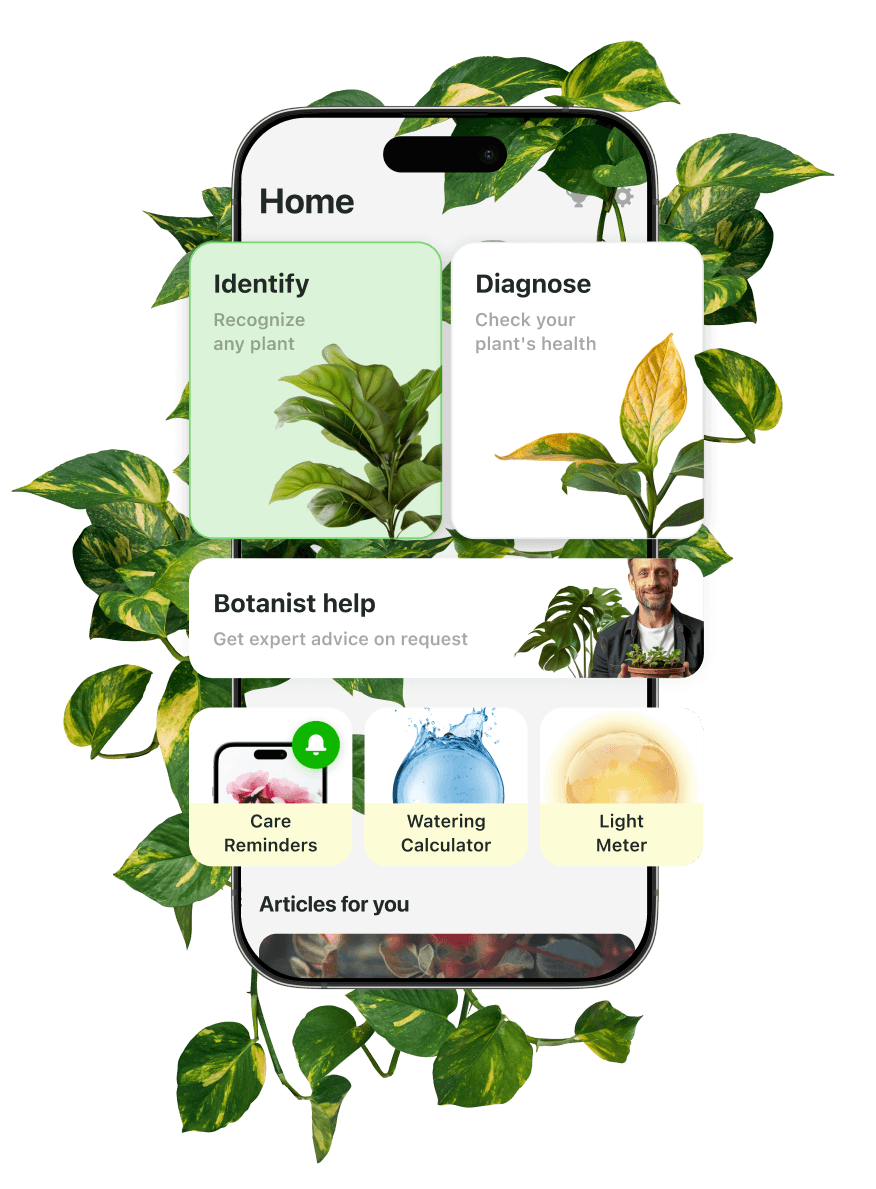
The best time to plant hydrangeas is early autumn or early spring. The Botan App service can help you identify your shrub and give plants recommendations from a photo. Read on to learn how potting timing depends on the season and the specific variety of hydrangea.
When Is the Best Time to Plant Hydrangeas?
The best time of year to plant hydrangeas is early fall, at least 6 weeks before the first frost. Early spring is a suitable moment too, after the last hard freeze. Try to do it when the weather is mild, and avoid midsummer heat and frozen ground. Your hardiness zone affects these dates by a few weeks.

Can You Plant Hydrangeas in the Fall?
Yes, you can. Planting hydrangeas in fall is successful in many zones. The soil remains warm for a long time even after the air begins to cool down. According to many expert guides, autumn is an excellent time for this species to begin its growth. However, there are both advantages and disadvantages to doing so.
Advantages:
- Warm soil encourages quick root growth.
- Cool air lowers water stress.
- Autumn rain reduces watering chores.
- Nurseries often offer discounts on shrubs during this season.
Disadvantages:
- Early frost can damage young stems.
- Late potting leaves less time to root before dormancy.
- Garden centers carry fewer varieties.
Add mulch after planting, then winterize your garden as temperatures drop.

Planting Hydrangeas in Spring
Spring is the best time to plant hydrangeas in colder regions. Wait until the soil is workable and the last hard frosts have passed. This gives hydrangeas an entire season to establish their root systems.
Advantages:
- Mild weather reduces transplant stress.
- Garden centers offer a wide selection of varieties.
- Roots have several months to settle in before winter.
Disadvantages:
- Summer begins shortly after potting.
- New species require frequent watering.
- Late frosts can damage young shoots.
During the first summer, water generously every week. Apply mulch to help retain moisture.

Planting Hydrangeas in Fall vs. Spring: Which Is Better?
Still wondering when is the best time to plant hydrangeas in your yard? The table compares both seasons side by side.
Factor | Fall Planting | Spring Planting |
Root establishment | Roots grow in warm soil until dormancy | Roots grow all season |
Watering needs | Moderate; fall rain helps | High; summer heat dries soil |
Frost / heat risk | Early frost can hit young stems | Late freeze or summer heat |
Best for (types, zones) | Panicle, smooth, oakleaf; zones 6–9 | Bigleaf types; cold zones 3–5 |
Both seasons are suitable, so choose the one that offers the longest period of mild weather for the hydrangeas to establish their roots.
Unsure which type of hydrangea you have?
Scan it with Botan for ID and care guidance
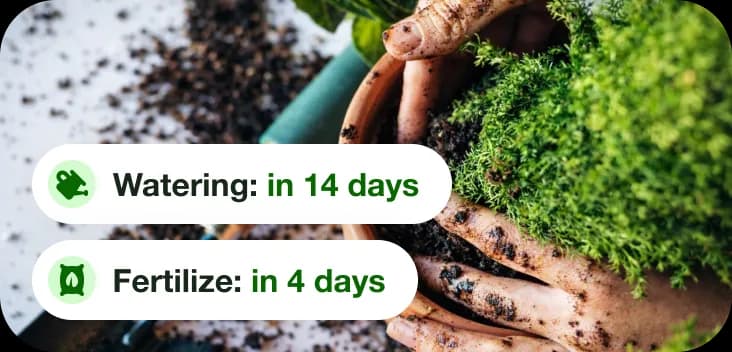
Your Personalized Care Plan
Get personalized plant care recommendations in the app
Different Types of Hydrangeas and When to Plant Them
When you decide when to plant hydrangeas, it is important to consider their specific type. Each species also flowers on a different kind of stem. Old wood means last year’s stems carry this year’s buds. New wood means the shrub grows buds each spring.
Compare your hardiness zone with the information in the table below to determine the best time.
Hydrangea Type | Blooms On | USDA Zones | Best Planting Window |
Old wood (rebloomers: both) | 5–9 | Spring in cold zones; spring or early fall in warm zones | |
Old wood | 5–9 | Spring or early fall | |
New wood | 3–8 | Spring or fall | |
New wood | 3–9 | Spring or fall |

How to Plant a Hydrangea
The proper process begins even before you pick up a shovel. Choosing the right location, assessing drainage and soil conditions, and using the correct technique all influence how quickly a plant will take root. Below, you can explore each stage in detail.
Where to Plant Your Hydrangea
Choose the spot first. That choice also affects when to plant hydrangea shrubs and how often you water. Here are several important things to keep in mind:
- Morning sun with afternoon shade suits most types.
- Panicle hydrangeas tolerate more sun.
- Select a spot with good drainage.
- Keep a distance from thirsty trees.
- Leave room for the mature width listed on the tag.
- Protect the site from strong wind.
Large leaves lose moisture rapidly in dry and windy conditions, so avoid choosing exposed corners.
Choosing the Right Soil
Hydrangeas prefer rich and moist soil that drains well. Test your soil pH before planting, since it changes flower color on bigleaf types. Acidic soil (below 5.5) produces blue blooms. At the same time, alkaline soil (above 6.5) produces pink.
Mix compost or aged bark into heavy clay to improve drainage, working it into the whole bed, not only the hole, so roots can spread out. Skip gravel at the bottom of the hole, which reduces oxygen for roots.

Planting a New Hydrangea Step by Step
Gather a shovel, compost, and mulch, and water the pot well the day before. Then follow these steps:
- Remove plastic tags from the stems.
- Dig a hole of the same depth as the root ball and two times as wide.
- Loosen circling roots with your fingers.
- Set the plant so the top of the root ball is on the same level with the soil.
- Fill the planting hole with the original soil.
- Gently firm the soil around the plant to eliminate trapped air.
- Water thoroughly, allowing moisture to reach the roots.
- Apply a 2–3-inch layer of mulch, leaving space around the stems.
Water new shrubs deeply each week during the first season. Steady moisture reduces the risk of transplant shock.
What You Should Avoid When Planting Hydrangeas
Most planting problems appear from a few repeated errors, each one slows root growth:
- Ignoring drainage. Soggy soil starves roots of air and often causes yellow hydrangea leaves.
- Setting too deep. Buried stems stay wet and can rot.
- Planting in midsummer. Heat dries the root ball faster than roots can absorb water.
- Letting the root ball dry out. Dry soil can cause crispy edges and brown spots on hydrangea leaves.
- Piling mulch against stems. Wet mulch holds moisture against the bark.
Avoiding these errors helps roots develop faster. Check the leaves weekly during the first month.
FAQ
Early fall and mid-spring give the best results. In many US regions, that means September to October or April to May. In colder zones, it is best to pot closer to May, while in warmer southern regions, you can prolong it as late as November. Rather than relying strictly on the calendar, you should use the date of the first frost in your local area as your guide.
Anastasiia Vasylchyshyna
Botanist
5+ of botanical experience
Anastasiia Vasylchyshyna studied biology at Taras Shevchenko National University of Kyiv, at the Educational and Scientific Center "Institute of Biology and Medicine." That academic grounding shaped how she approaches every article: start with the science, end with something a plant owner can actually act on.
Over the years, she's written dozens of articles on plant care and plant pathology — covering everything from seasonal plant picks, garden prep, propagation and pruning guides, and the everyday mistakes that harm houseplants. Her goal isn't just to answer a question, but to help readers understand why a plant behaves the way it does, so they can spot problems on their own next time.
Related Articles
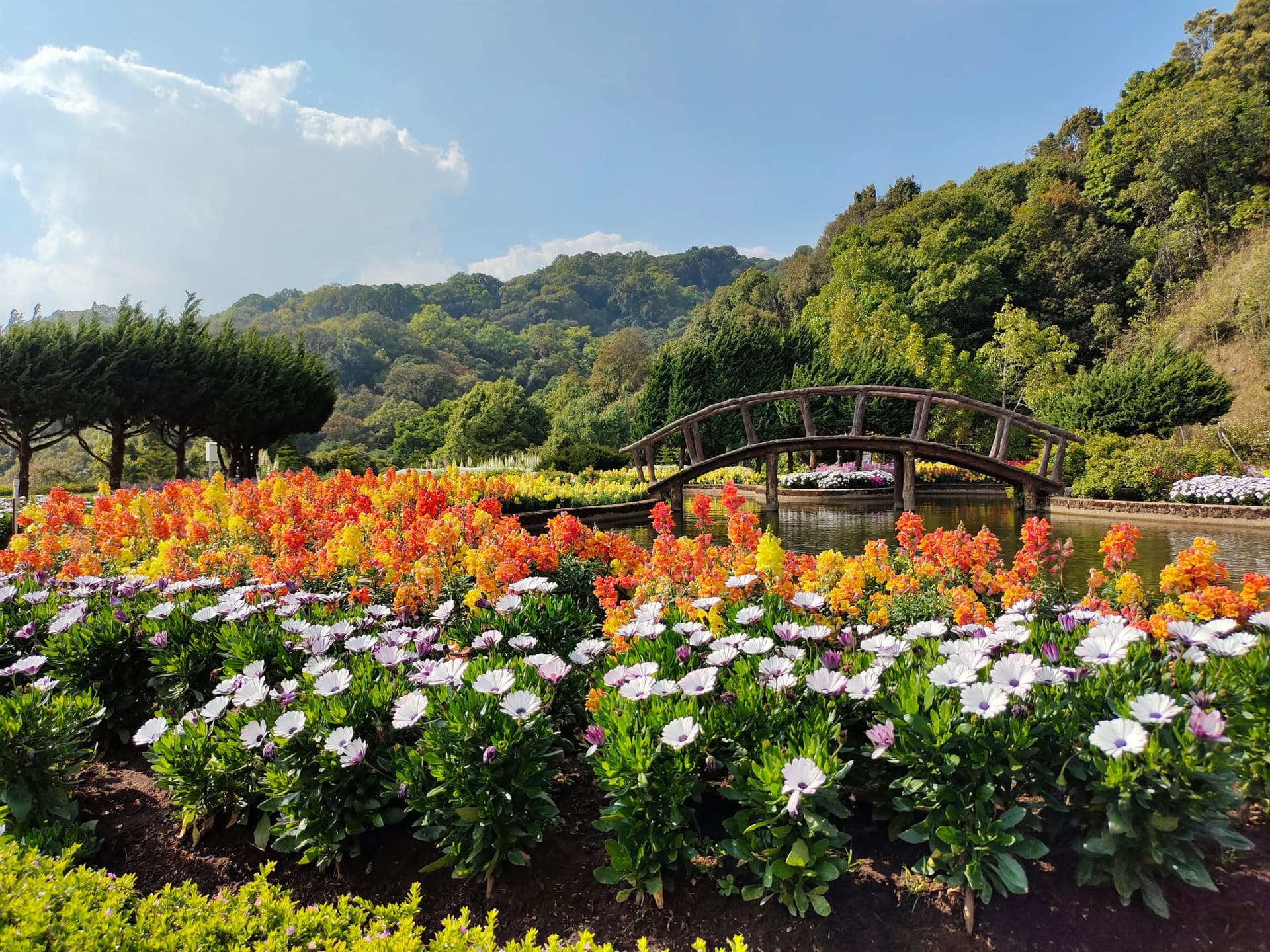
8 min read · 10 Sept 2026
10 Easy Garden Flowers to Grow
Discover 10 garden flowers that require minimal care. Learn which characteristics make plants easy to grow and follow tips on how to create a beautiful corner from beginner-friendly blooms on your property.
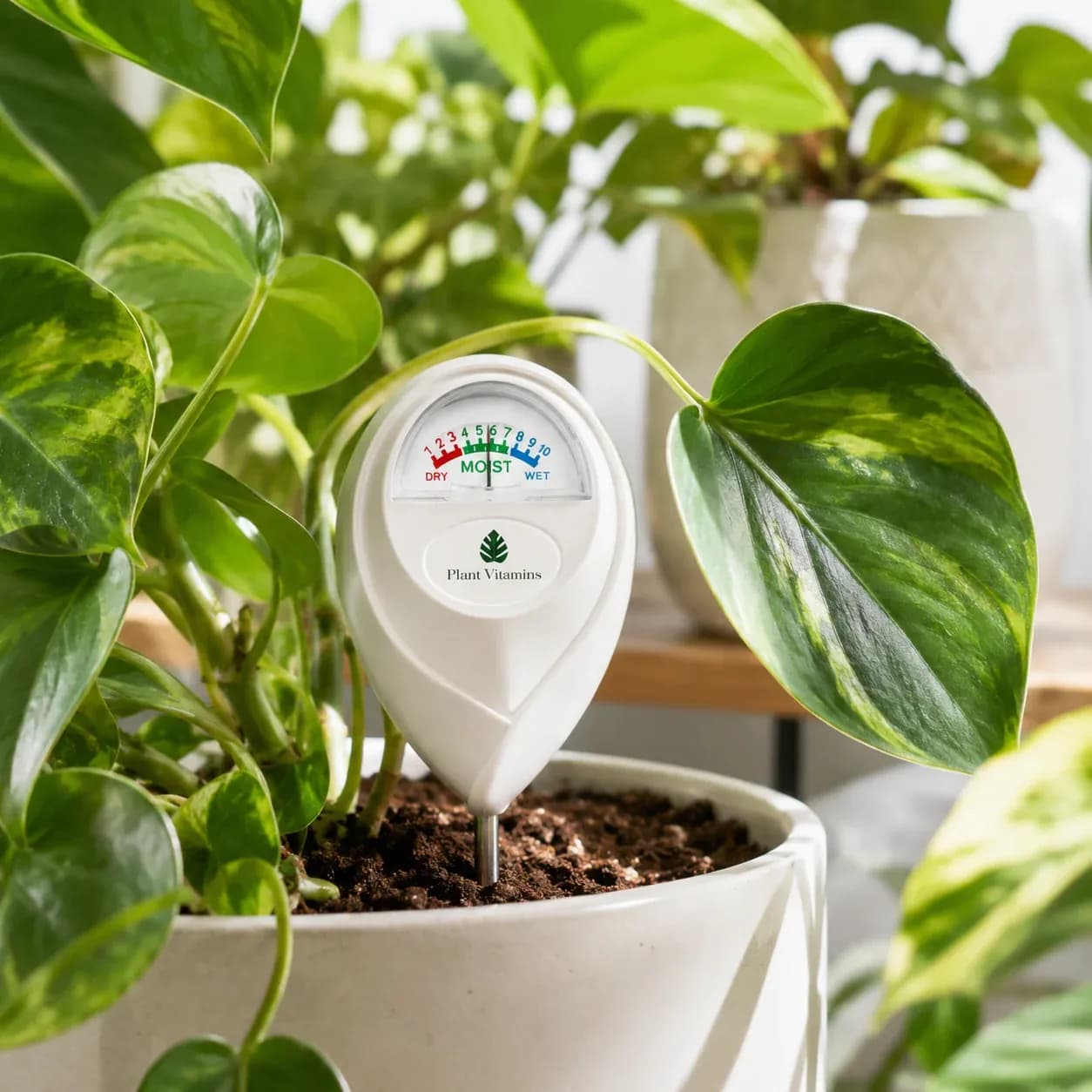
5 min read · 4 Sept 2026
How to Use a Moisture Meter for Plants
Watering by feel kills plenty of houseplants. A moisture meter checks the soil for you, and takes the guesswork out of it. This guide will show you how to use it correctly, from the first touch to the final reading.
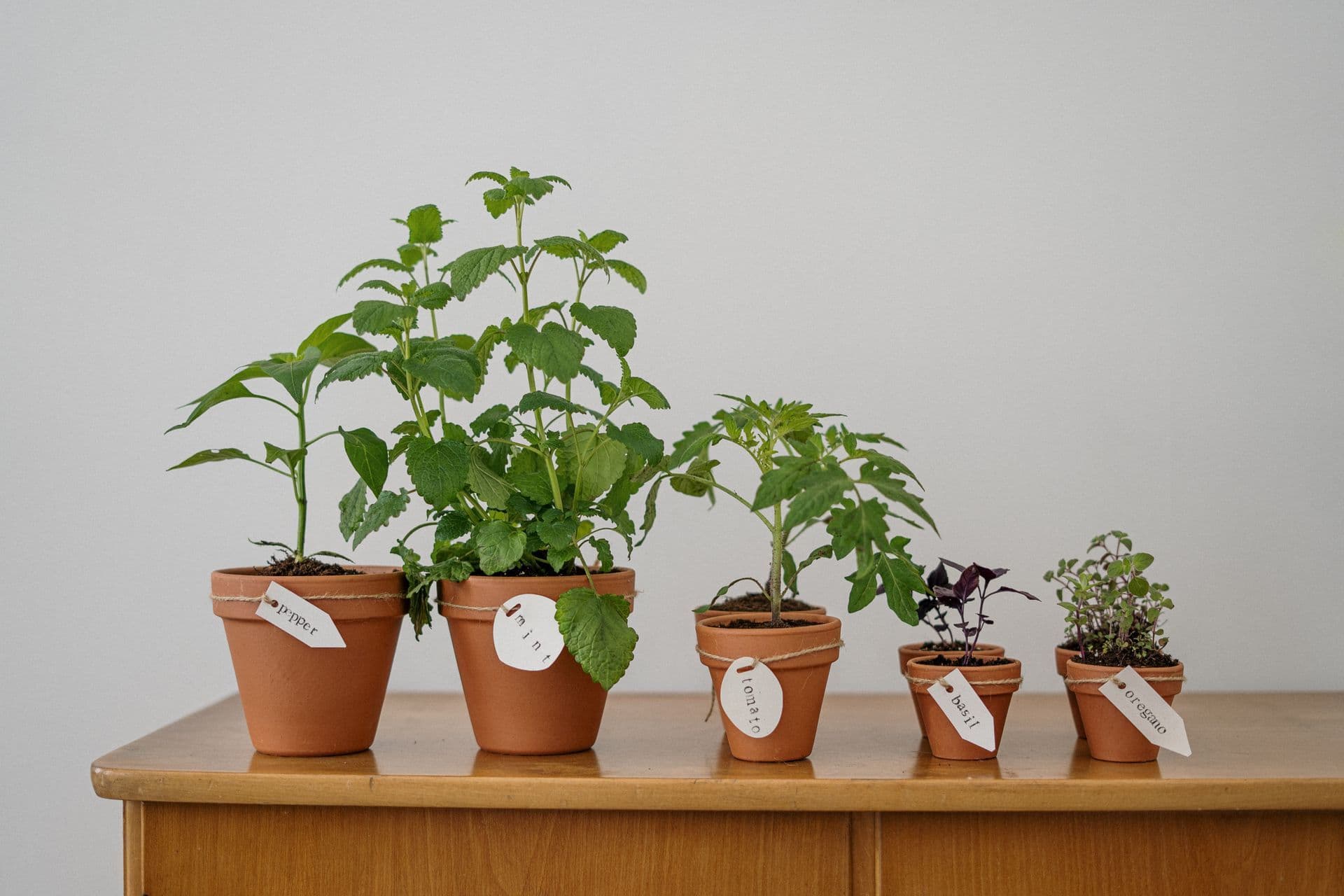
7 min read · 20 Aug 2026
Plant Pot Sizes: How to Choose the Right Plant Container
Plant pot sizes can be confusing because the number on the label only tells you part of the required information. A container may look spacious but actually be too shallow. So, how to choose pot size for plant species?
Explore Plants by Care Needs


Identify the plant and problem. Help your plant recover
Identify plant problems early, understand what's wrong, and get clear care guidance. Botan helps you turn guesswork into confident plant care