5 Common Reasons Hydrangea Leaves Turn Yellow
Yellowing of hydrangea leaves is usually caused by water, soil, sunlight, or pests, so identify the reason before fertilizing or spraying. Below are 5 common causes and what to check first.

On this page
- Quick Answer: Why Hydrangea Leaves Turn Yellow
- Check the Symptoms Before You Treat the Plant
- Reason 1: Watering and Drainage Problems
- Reason 2: Soil pH and Nutrient Deficiency
- Nitrogen, Magnesium, or Fertilizer Imbalance
- Reason 3: Light or Temperature Stress
- Reason 4: Pests and Diseases
- Reason 5: Natural Leaf Shedding or Bloom-Season Energy Shift
- How to Fix and Prevent Yellow Hydrangea Leaves
A yellow leaf hydrangea is a problem that haunts you every time you pass by. In most cases, the cause is quite simple. Water. Soil. Sun. Insects. The key is to determine the cause of the yellowing before fertilizing or spraying.
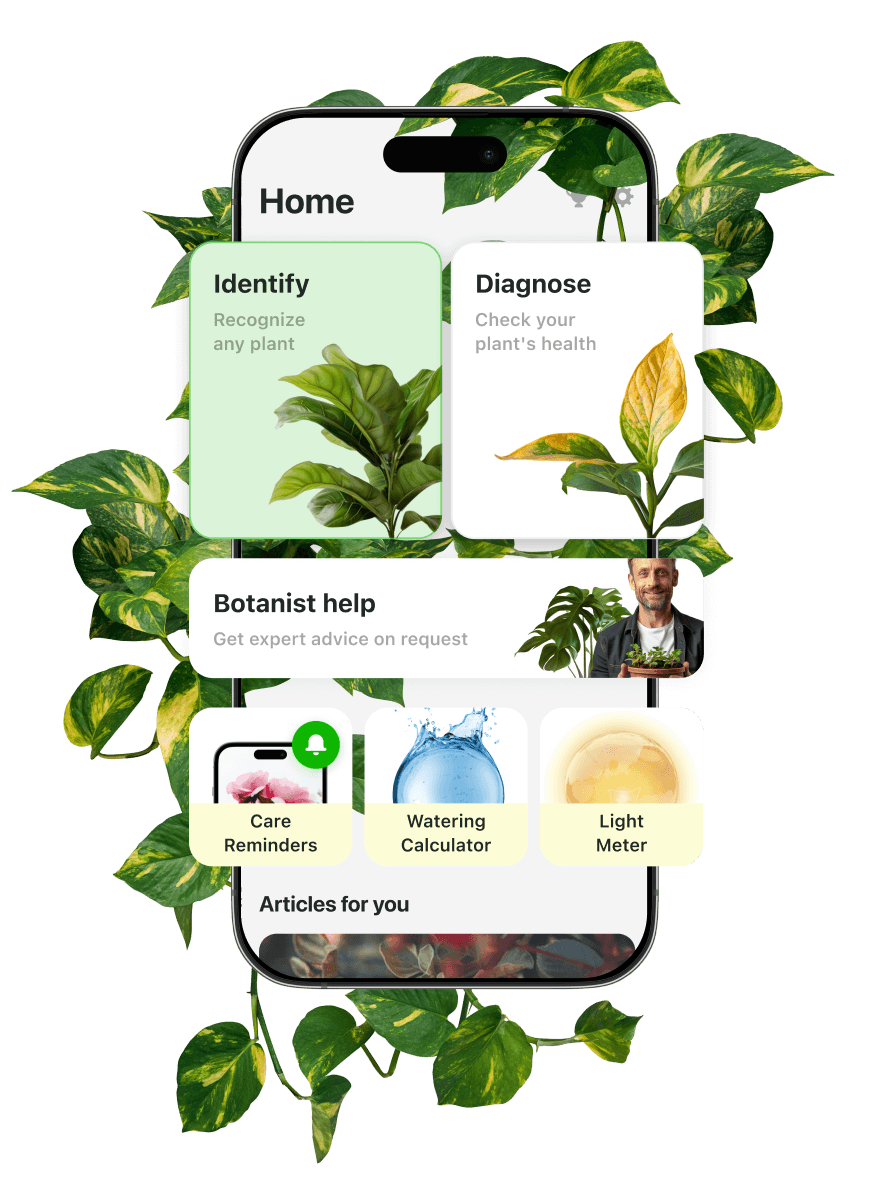
Apps like Botan can scan a photo of the yellowed leaf and point out the problem. Below are 5 reasons why hydrangea leaves may turn yellow, along with what to check first.

Quick Answer: Why Hydrangea Leaves Turn Yellow
Yellow leaves on hydrangeas are almost never the result of a single cause. Before taking any action, inspect the leaf.
Yellowness with green veins usually indicates chlorosis. This is related to iron levels or soil pH. Yellowing on a plant growing in boggy soil means you've overwatered. Crisp yellow edges in July indicate thirst or sunburn. A few yellow leaves at the base in late summer? The bush is dropping leaves. This is normal.
So, the solution depends on the nature of the problem. Wet roots require different treatment than pH issues. Sunburn requires different treatment from spider mites. Identifying the symptom first will eliminate a lot of guesswork.

Fix Plant Problems
Leaves turning yellow or falling off? Find the cause and solutions
Check the Symptoms Before You Treat the Plant
If you see hydrangea leaves turning yellow, you must check the symptoms first. Take your time. Inspect the leaves and turn them over. Press your finger into the soil at the root zone. Smell for anything sour or rotten at the base.
For a more confident check, you can use the Botan app, which serves as a scanner for this kind of detective work. You upload a photo, the detector flags what it thinks is wrong, and you make an informed decision about what to do next. This same app is also suitable for herb identification — you can use it if you grow basil or mint nearby and aren't sure what's troubling them.
So, if you detected a yellow leaf hydrangea, here's a quick overview of possible symptoms and further actions.
Symptoms | Likely Cause | What to Check First |
Yellow with green veins | Chlorosis, an iron issue | Soil pH |
Yellow with soggy soil | Overwatering | Drainage, root smell |
Crispy yellow edges | Thirst or sunburn | Soil moisture, hours under the sun |
Yellow spots, holes, webs | Pests or fungus | Undersides of leaves |
Old inner leaves only | Normal shedding | Plant age, season |

Reason 1: Watering and Drainage Problems
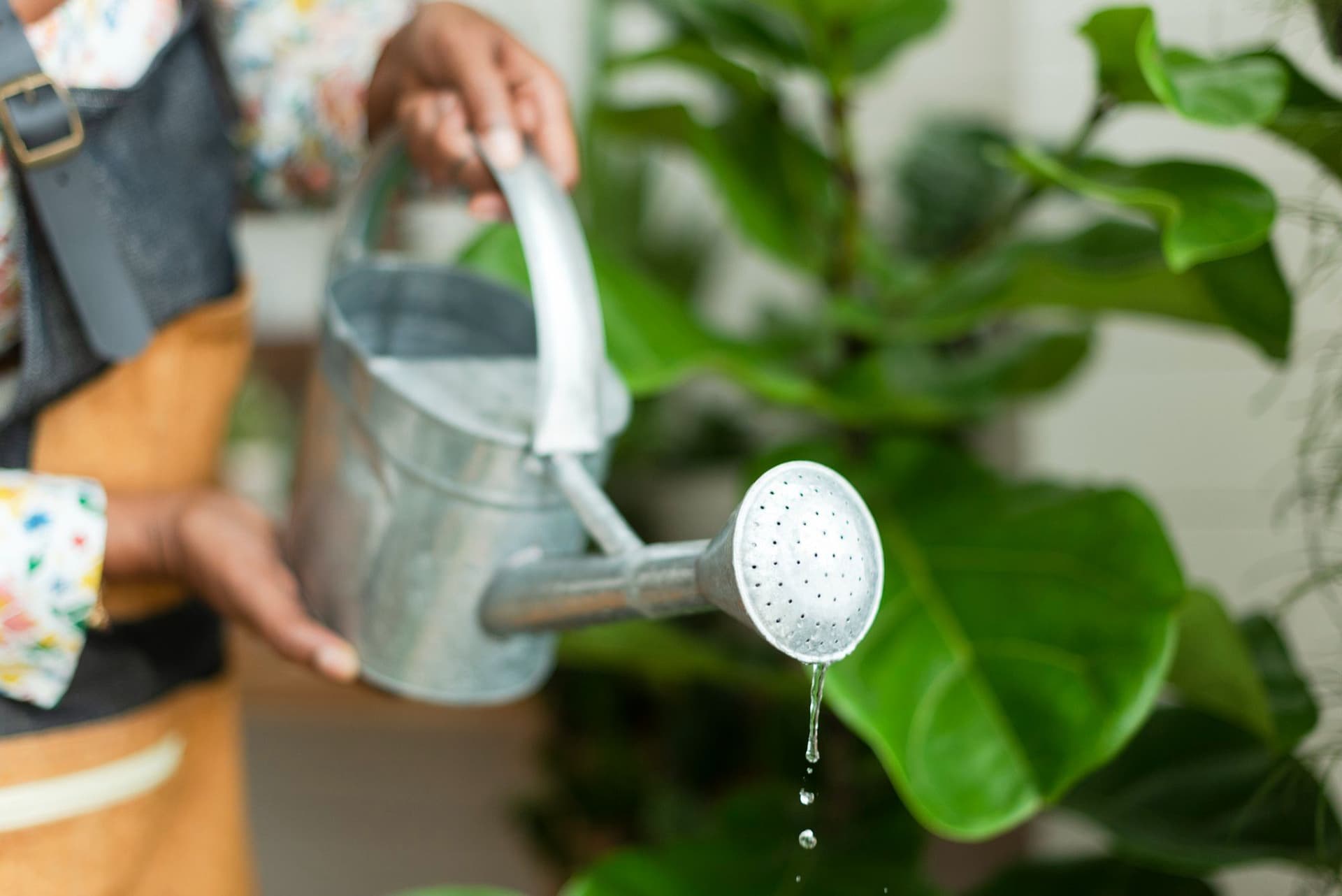
Hydrangeas like Hydrangea serrata require consistent moisture and hate being overwatered. Roots in waterlogged soil cannot obtain oxygen, which leads to root rot and yellow leaves on hydrangeas.
Check the soil to a depth of 2.5-5 cm. If it is soft or has an unpleasant odor, there is a drainage issue. The problem could be with the soil itself or with your watering schedule.
Underwatering is also detrimental — hydrangeas drink a lot of water in summer. If the plant is underwatered, brown, crispy edges and drooping stems appear by midday. The surface roots are the first to suffer from the heat. Try to keep the soil like a wrung-out sponge. Water deeply once or twice a week, and skip watering if there was heavy rain the day before.
Reason 2: Soil pH and Nutrient Deficiency
A yellow leaf hydrangea with green veins indicates chlorosis. This is usually caused by iron deficiency. Iron can be in the soil, but if the pH rises above 7, the roots cannot absorb it. A soil test kit costs a few dollars and can give you all the necessary information on pH to clarify this issue. Hydrangeas require soil with a slightly acidic or neutral pH.
Nitrogen, Magnesium, or Fertilizer Imbalance
Do you see how old hydrangea leaves are turning yellow? This may be the first sign of nitrogen deficiency, which manifests as yellowing with green veins on older shoots. Excessive fertilizer burns the roots and worsens the situation. One balanced fertilizer application in the spring is sufficient for most lawns. Don't add fertilizer if the plant looks unhealthy.
Reason 3: Light or Temperature Stress
Hydrangeas are very picky about their growing conditions. Most species require morning sun and afternoon shade. For instance, panicle hydrangeas tolerate more sun than others. Bigleaf and oakleaf types prefer more shaded areas, especially in hot regions.
Here's how light and heat affect growth:
- Strong afternoon sun discolors the leaves and then dries out the margins, usually on the west or south side of the plant.
- Deep shade makes the plant pale and wilted because there's not enough light for chlorophyll.
- Temperatures above 85°F (29°C) dry out the leaves faster than the roots can cope, even in a well-watered shrub.
If repotting is not possible, lay down shade netting during the hottest hours and apply a thick layer of mulch to keep the roots cooler.
Reason 4: Pests and Diseases
Tiny insects suck the color out of leaves. Aphids congregate on young shoots and feed on the sap. Spider mites leave fine webbing and yellow spots. Turn the leaf over and examine it carefully. If you can't see it with your eyes, a magnifying glass will help.
Fungal diseases are another serious problem — cercospora leaf spot, powdery mildew, and root rot cause yellow spots. Humid weather and overly dense shrubs exacerbate the situation. Trim off any diseased leaves. Ensure air circulation around the plant. Avoid splashing water on the leaves when watering.
Reason 5: Natural Leaf Shedding or Bloom-Season Energy Shift
Not every yellow leaf on a hydrangea indicates a problem. Hydrangeas sometimes intentionally shed older inner leaves. These leaves receive little light, so the plant cuts them off and redirects energy toward new growth and blooming.
This is a common process that takes place in mid- to late summer. You'll see a few yellow leaves near the trunk, while the rest of the shrub appears normal. Fall brings a new wave of yellowing.
Deciduous hydrangeas shed their leaves before entering dormancy. This is normal. Before you panic, count the yellow leaves. A few at the base? Probably not a problem. Most of the bush? It’s time to take a closer look.

How to Fix and Prevent Yellow Hydrangea Leaves
In order to prevent yellow leaves on hydrangeas, or to eliminate the cause, follow this step-by-step guide:
- Check the soil. Before making any changes, check the pH and drainage.
- Adjust watering. The soil should be moist, but not waterlogged. Mulch maintains a consistent moisture level.
- Monitor sun exposure. Move pots if they become overheated. Use shade netting for established shrubs during hot weather.
- Control pests early. Insecticidal soap or neem oil removes aphids and mites.
- Trim off diseased leaves. Bag them and discard; do not compost diseased foliage.
- Fertilize sparingly. Apply one balanced fertilizer in the spring. Skip the fertilizer in late summer.
Important: A yellowed leaf will not turn green again. The goal is to prevent further yellowing and ensure healthy new growth.
FAQ
This is chlorosis, usually caused by low iron or alkaline soil. Check the pH and lower it with sulfur or an acidifying fertilizer designed for hydrangeas.
Dariia Plaksina
Botanist
5 years of botanical research experience
Dariia Plaksina is a biologist, botanist, and writer of informational articles with over 5 years of experience exploring the world of plants, nature, and biology. She studied at Taras Shevchenko National University of Kyiv, Educational and Scientific Center “Institute of Biology and Medicine,” where she built a strong scientific foundation for her future work.
For Dariia, writing is a hobby, a calling, and a way to make reliable knowledge easier to understand. Her articles focus on plant care, plant health, and natural processes, helping readers learn more about the living world through clear, accessible, and science-based explanations.
Related Articles
8 min read · 1 Oct 2026
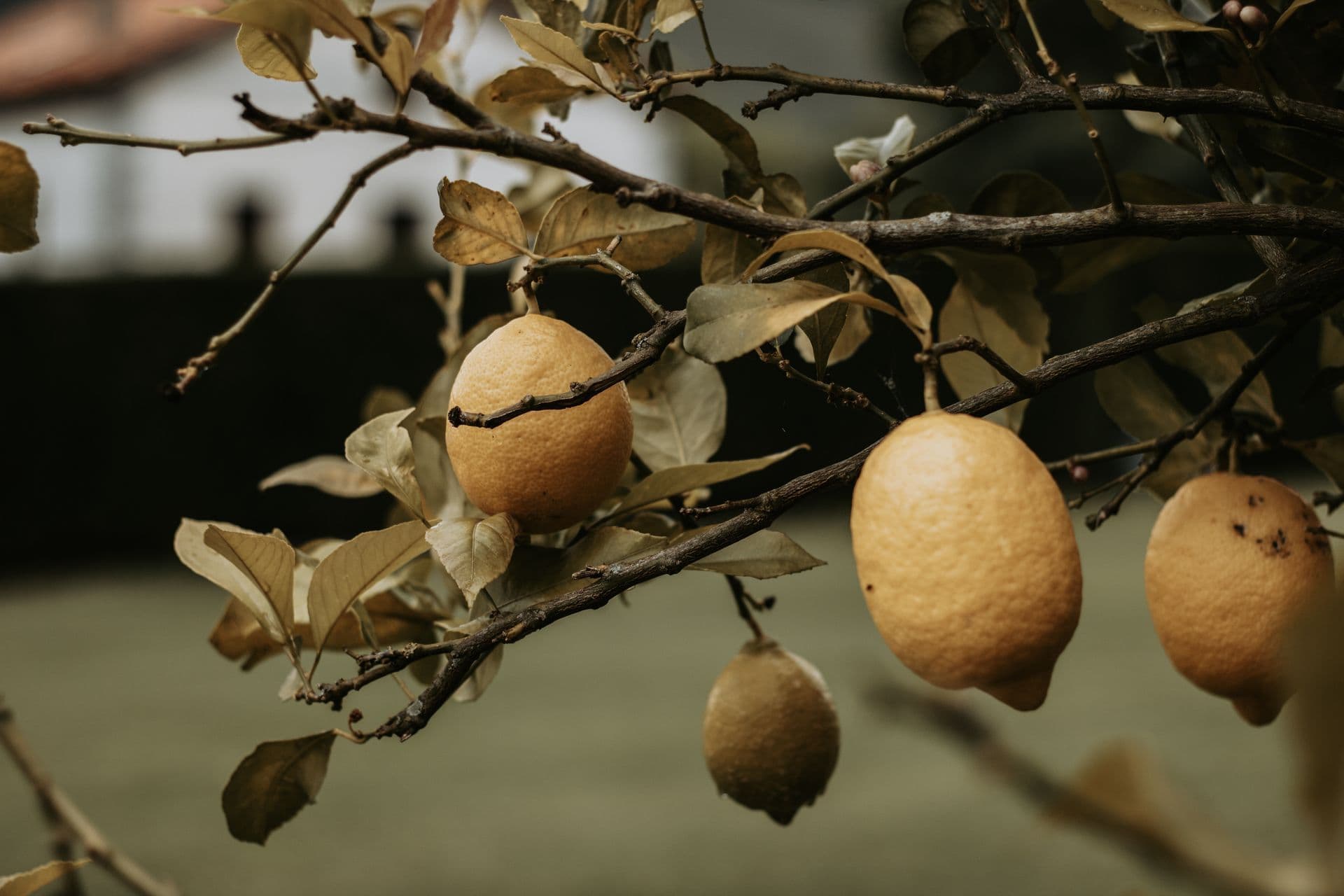
Lemon Tree Leaves Turning Yellow: Causes and How to Fix It
Yellow leaves are one of the most common lemon tree problems. This guide explains eight causes of lemon tree leaves turning yellow, from overwatering to root rot, with a fix for each.
5 min read · 16 Sept 2026
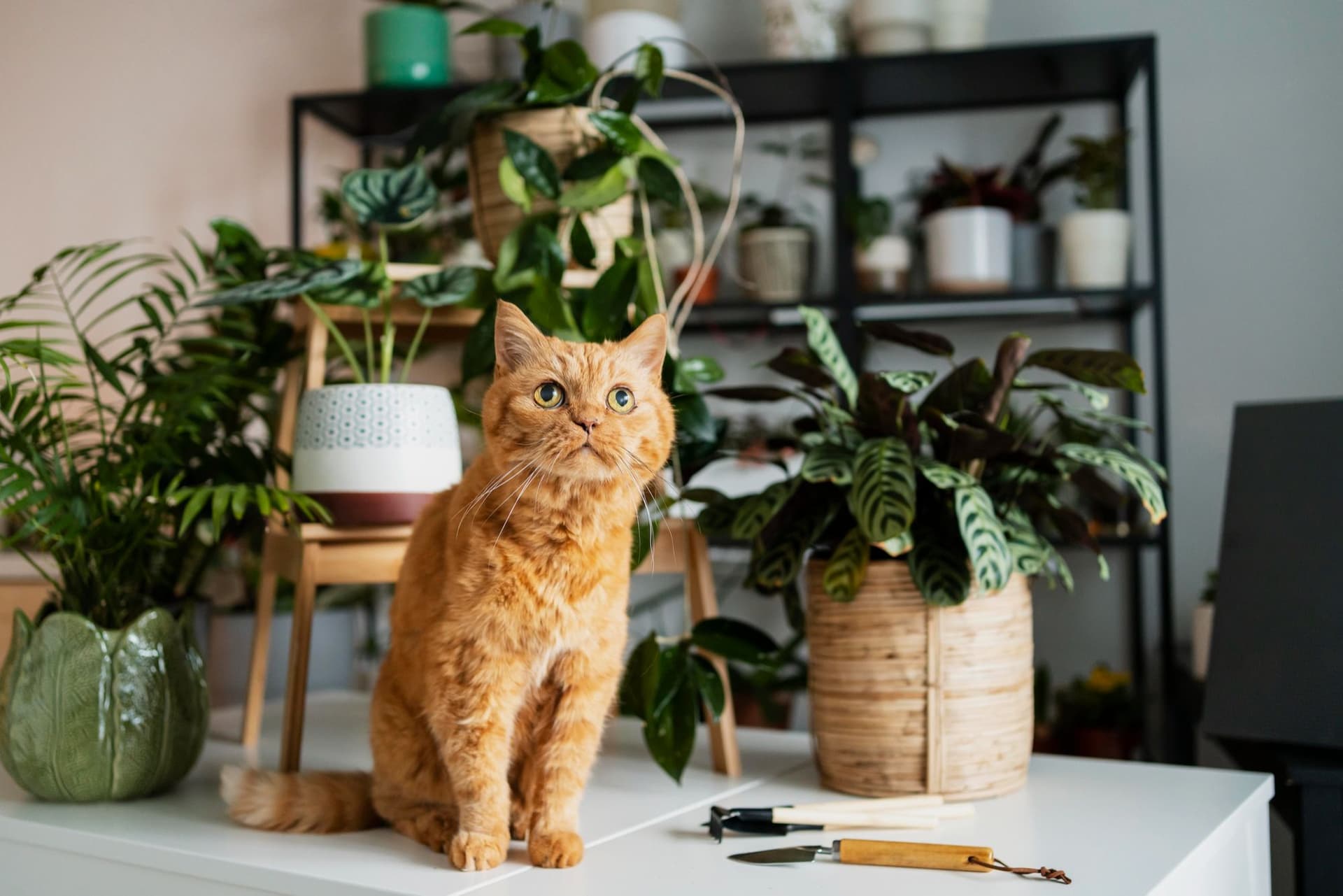
How to Keep Cats Away From Plants: 7 Safe and Effective Methods
Cats may dig in potting soil, chew leaves, or knock containers over. These seven methods combine safer placement, physical protection, a suitable chewing alternative, and play to help protect your plants without putting your cat at risk.
5 min read · 7 Sept 2026
Overwatering vs Underwatering: How to Tell the Difference
Overwatering and underwatering can look almost identical, so they're easy to confuse. In this guide, we'll cover the signs of each, simple ways to tell them apart, and how to treat your plant once you know what's wrong.
Explore Plants by Care Needs
Identify the plant and problem. Help your plant recover
Identify plant problems early, understand what's wrong, and get clear care guidance. Botan helps you turn guesswork into confident plant care