How to Keep Cats Away From Plants: 7 Safe and Effective Methods
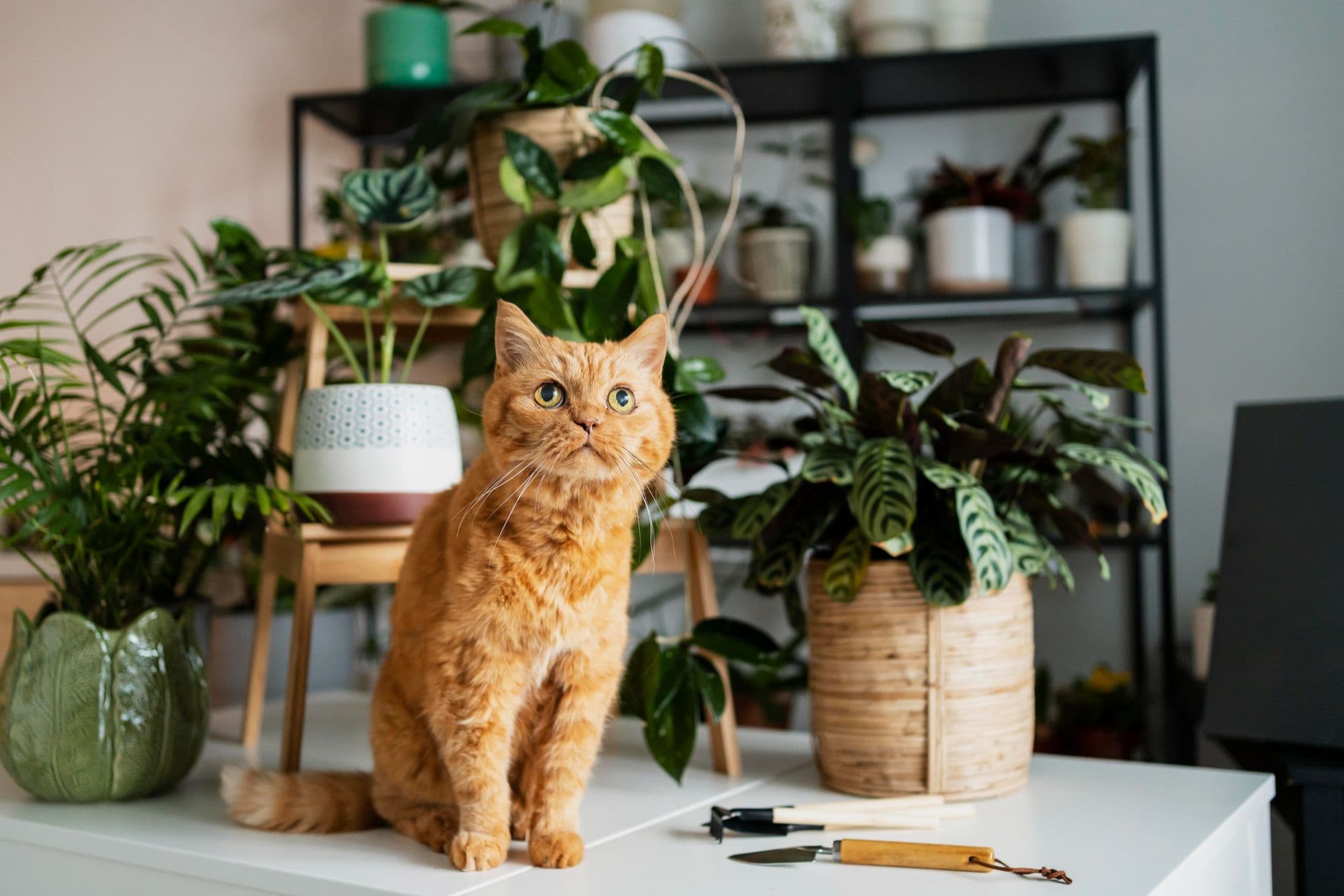
Cats may dig in potting soil, chew leaves, or knock containers over. These seven methods combine safer placement, physical protection, a suitable chewing alternative, and play to help protect your plants without putting your cat at risk.

On this page
- 1. Move Plants to High Shelves or Hanging Planters
- 2. Protect Your Plants With Mesh or Covers
- 3. Cover the Soil to Stop Your Cat From Digging
- 4. Use Deterrents to Keep Your Cat Away From Plants
- 5. Give Your Cat a Safe Plant to Chew Instead
- 6. Keep Your Cat Busy With Toys and Playtime
- 7. Make Plant Areas Uncomfortable for Your Cat
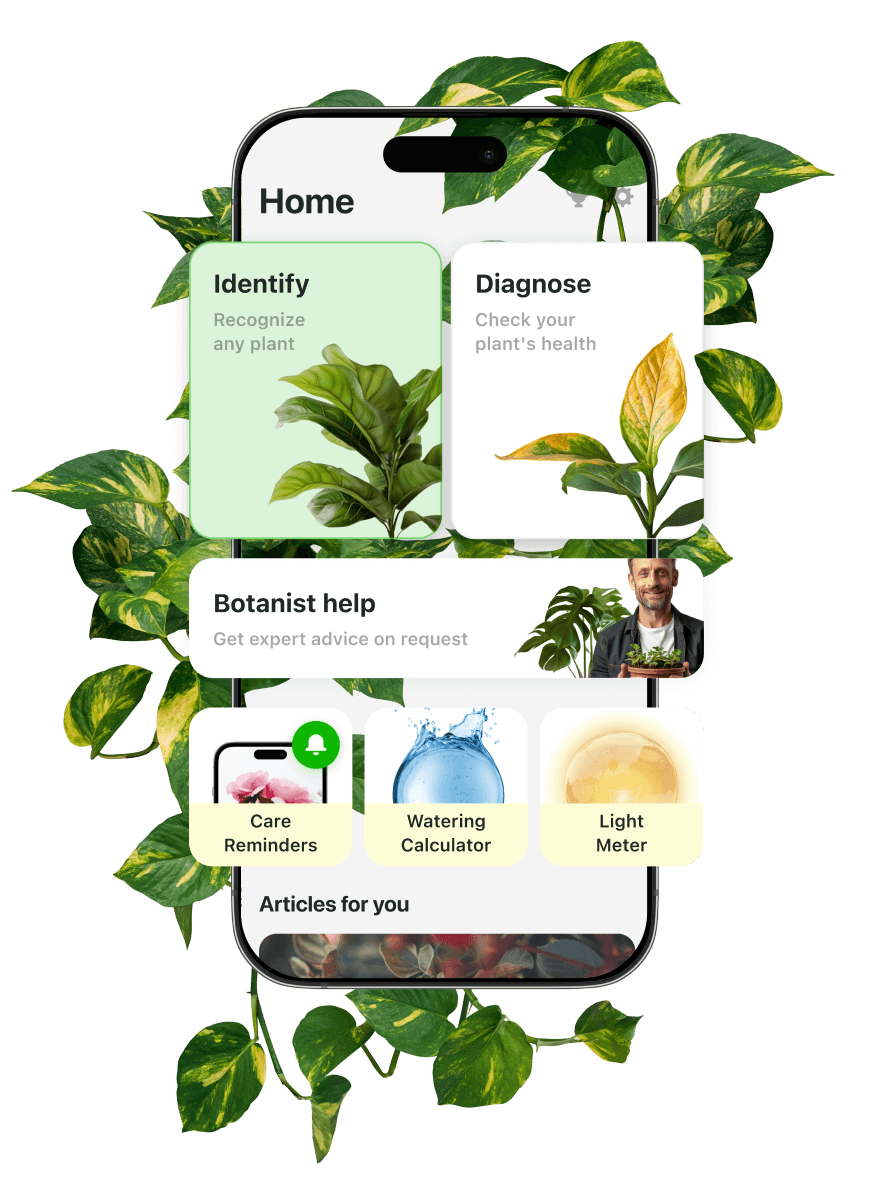
If you need to know how to keep cats out of plants, block access to soil and leaves, then offer your cat another activity. Botan can help identify unfamiliar houseplants and find care information before you decide where each one belongs.
1. Move Plants to High Shelves or Hanging Planters

The first step in how to keep cats out of houseplants is to check how your cat reaches them. A shelf works only if nearby furniture cannot serve as a launchpad. Secure hanging planters, and keep trailing leaves above paw level.
Check the new location against the plant’s light needs: a dark shelf can protect leaves while impairing growth. A houseplant identifier can help determine a new plant’s species and care needs before moving it. A bright room with a door you can close may be more reliable than height alone.

Fix Plant Problems
Leaves turning yellow or falling off? Find the cause and solutions
2. Protect Your Plants With Mesh or Covers

If you are wondering how to keep cats off plants at floor level, use a freestanding mesh enclosure or wire plant guard. Openings should let light and air through but keep paws away from foliage. Anchor the cover and leave space between mesh and leaves.
For small pots, a rigid clear cover with ventilation holes can work temporarily if it does not trap heat in direct sun. Check for sharp edges and loose ties. These barriers should lift easily for watering and inspection when your cat is elsewhere.
3. Cover the Soil to Stop Your Cat From Digging

If digging is the problem, cover exposed potting mix. A fitted soil guard or plastic mesh cut around the stems blocks access while leaving gaps for watering. Secure its edge beneath the rim.
Large, smooth stones can cover a wide pot, but choose stones too big to swallow and leave room to check moisture. Avoid loose pebbles. Some cats dislike the changed textures; others push them aside, so switch to a fitted guard if needed.
Consult houseplant care tips on watering and soil before settling on a cover. Lift it to inspect the mix; keeping cats out of plants should not leave roots sitting in wet soil.
Know What’s Growing at Home
Identify your plants and check their care needs
4. Use Deterrents to Keep Your Cat Away From Plants

When considering how to keep a cat away from plants, use deterrents alongside covers or relocation. A motion-activated air device can redirect a cat approaching the plant area without spraying chemicals.
For a pet-safe deterrent labeled for indoor use, follow its directions and keep treated surfaces away from leaves your cat might chew.
Skip homemade repellents made with essential oils, pepper, or concentrated citrus. The ASPCA warns that concentrated oils can pose a danger when pets get them on their coat or paws. Smell preferences also vary by cat, so a strong odor offers no reliable protection against toxicity.
If a deterrent causes distress or merely sends your cat toward another pot, remove it and rely on a physical barrier instead.
5. Give Your Cat a Safe Plant to Chew Instead

If your cat keeps chewing leaves, offer a small pot of cat grass grown from seeds sold for that purpose. Put it in an accessible place away from your display plants, with a washable mat underneath.
Replace old shoots when they become limp or moldy, and keep fertilizer and pesticide products away from anything your cat may eat.
This is a way to redirect interest, not a promise that your cat will ignore every other leaf. Before choosing decorative greenery, check which plants safe for pets suit your home, then confirm the exact species’ safety for cats. Even a non-toxic leaf can upset a cat’s stomach if eaten in quantity.
6. Keep Your Cat Busy With Toys and Playtime

A bored cat may investigate moving leaves or scratch around pots. Try two short play sessions a day away from plants, and put a scratching post near the route to the pots. Choose activities that compete with the reason your cat visits the display:
- For a cat that bats at leaves, use a moving wand toy on the floor.
- For a cat that paws at soil, offer a puzzle feeder away from the pots.
- For a cat that climbs toward plants, provide a window perch away from the display.
The ASPCA’s feline enrichment guidance recommends varied toys and spaces at different heights. Rotate toys, and notice when your cat returns to a particular pot; play just before that time.
7. Make Plant Areas Uncomfortable for Your Cat

To keep cats off plants on a shelf, make the approach less appealing. Put a removable mat with a gently bumpy surface in front of pots, or block a favorite landing spot with a stable object. Check that nothing slides or falls.
Avoid spikes, sticky material that catches fur, and noises that may startle your cat into knocking over a pot. Catproofing works better with another comfortable landing place nearby. Browse best plants for bedroom for placement ideas, then check pet safety separately.
What your cat does | First method to try | What to check afterward |
Digs in soil | Fitted soil guard | Can you still inspect moisture? |
Chews leaves | Move the plant and offer cat grass | Can any leaves still be reached? |
Climbs onto a plant shelf | Change the landing area | Is the plant stable and well lit? |
No single setup prevents every cat from reaching every plant. Match the barrier to the behavior you see, then adjust it if your cat finds another route.
FAQ
Use a fitted mesh soil guard anchored under the pot rim; it limits access without sealing the pot. For a large container, smooth stones that cannot be swallowed may also help. Leave space to water and check the soil, and switch to a guard if your cat pushes the stones aside.
Alex Yar
Plant Expert
7+ years of experience studying plants, researching their diseases, and examining their characteristics.
Alex is a plant expert and writer with more than 7 years of experience studying plants, their growing requirements, and their responses to environmental conditions. His areas of expertise include plant care, disease recognition, stress diagnosis, pest-related problems, and the distinctive characteristics of different species.
Over the years, Alex has developed a strong practical understanding of how light, temperature, humidity, watering, soil conditions, and nutrition affect plant health. He combines careful observation with in-depth research to explain effective care and recovery methods.
Alex has extensive hands-on experience caring for houseplants. His articles translate complex botanical topics into clear guidance that helps you better understand your plants and recognize early warning signs.
Related Articles
5 min read · 7 Sept 2026
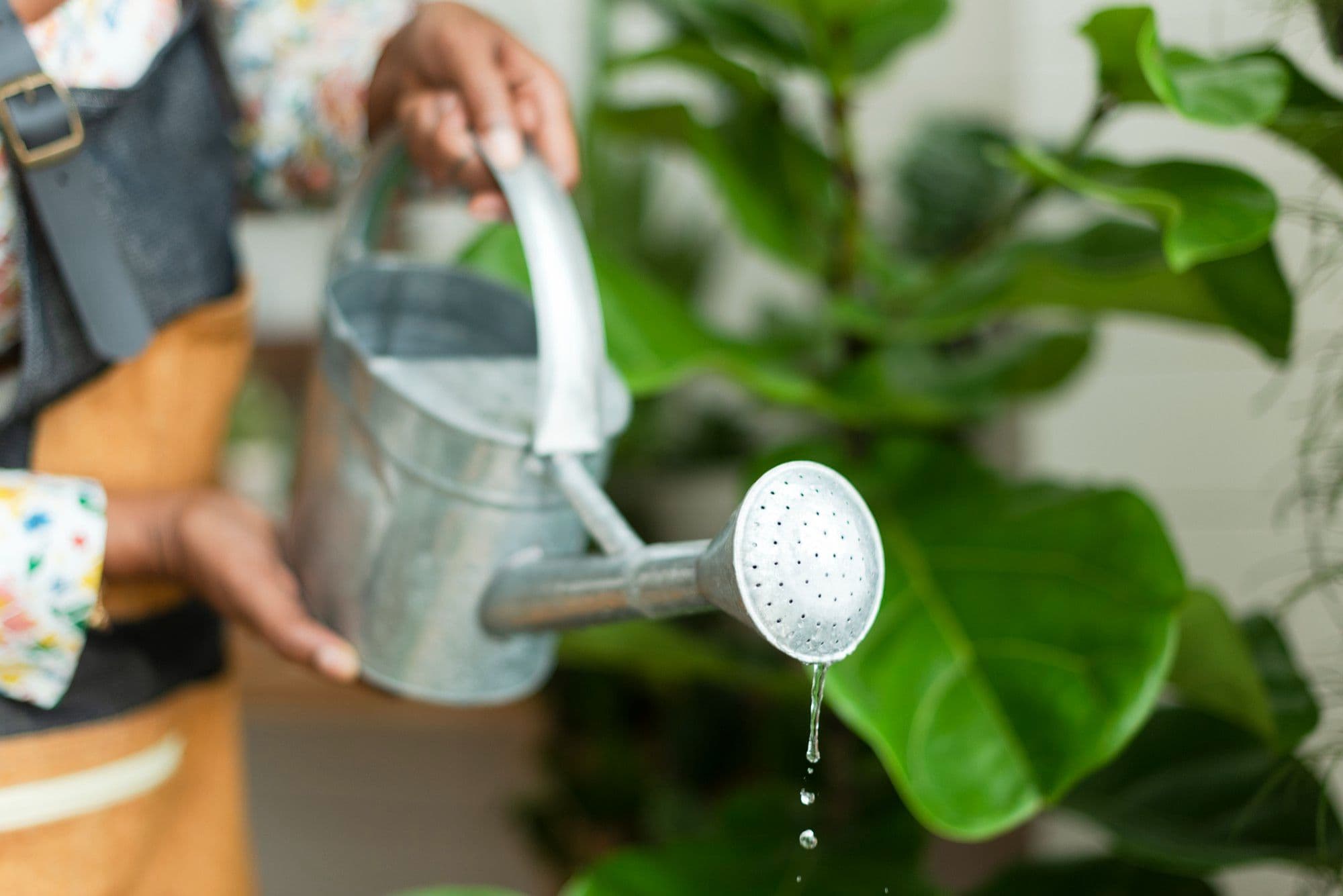
Overwatering vs Underwatering: How to Tell the Difference
Overwatering and underwatering can look almost identical, so they're easy to confuse. In this guide, we'll cover the signs of each, simple ways to tell them apart, and how to treat your plant once you know what's wrong.
7 min read · 26 Aug 2026
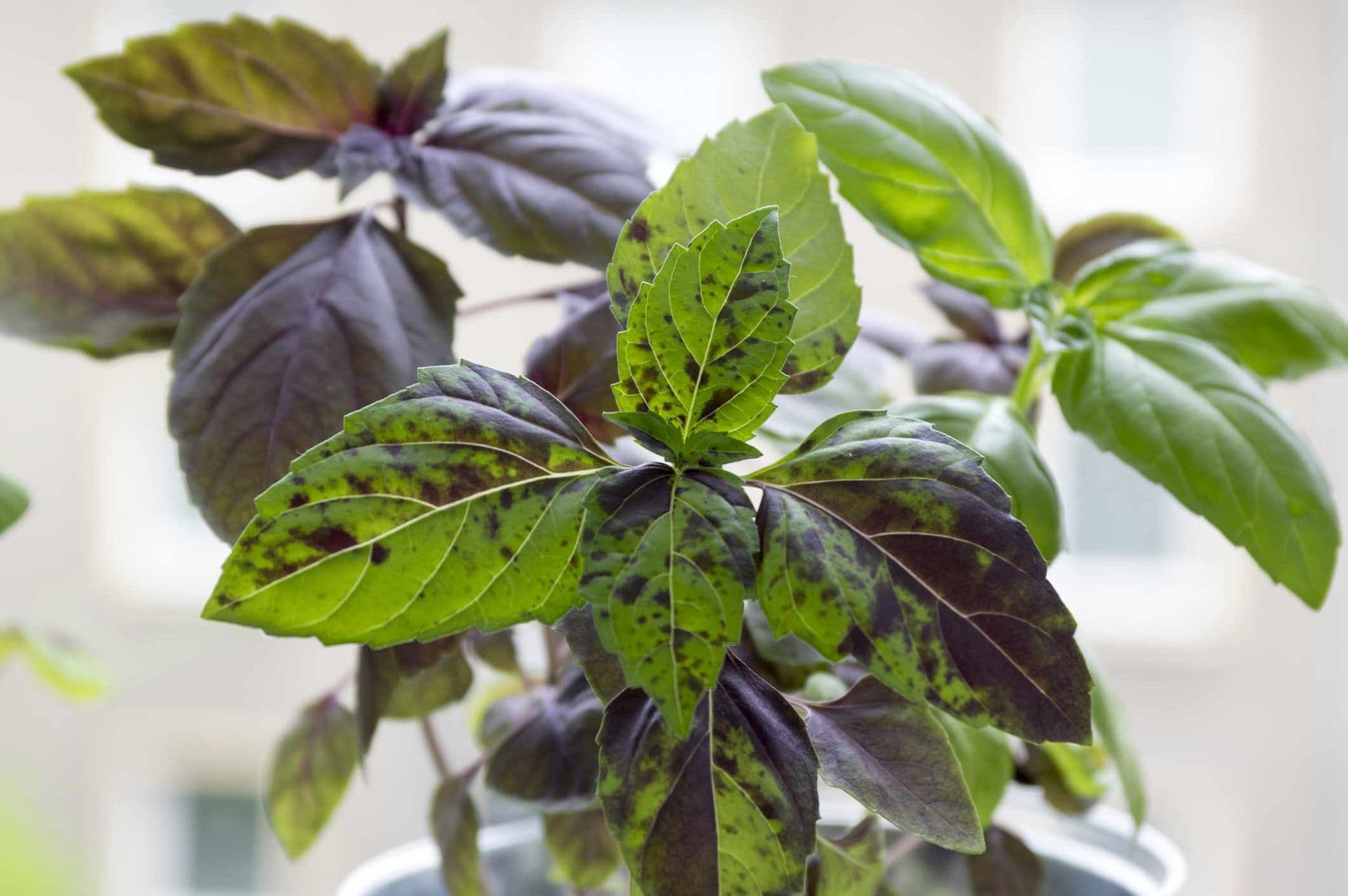
Brown Spots on Basil Leaves: Causes and How to Fix Them
Brown spots can appear after watering mistakes or disease. Cold exposure and pests leave a distinct pattern too. Learn how to diagnose damaged basil and prevent new marks.
4 min read · 21 Aug 2026
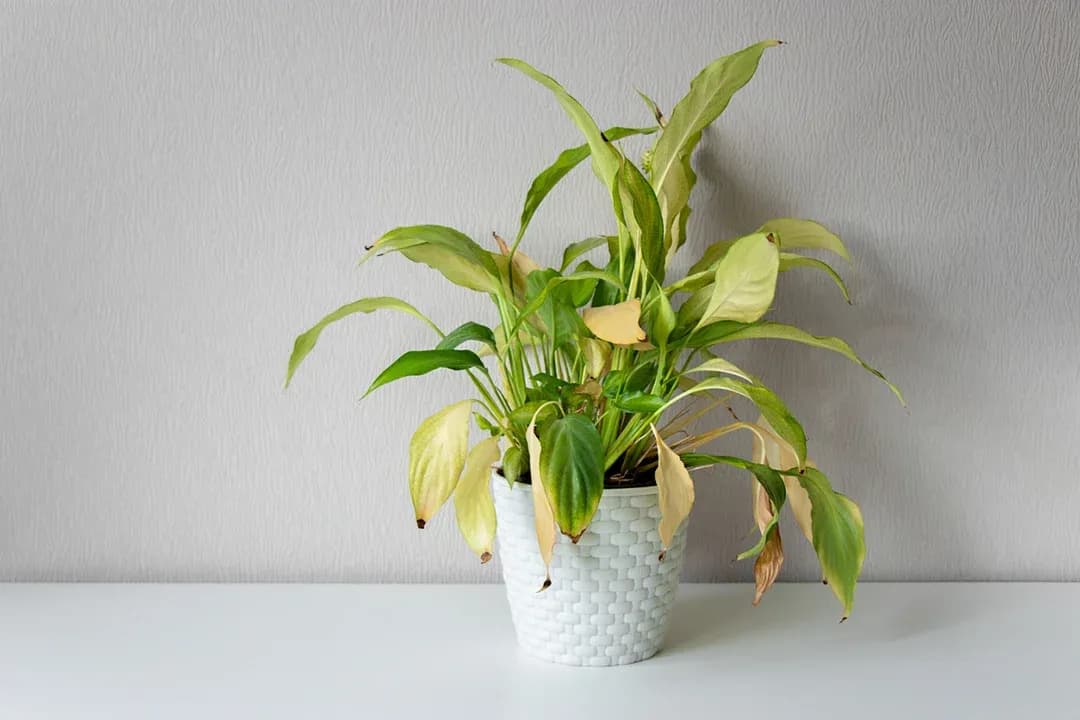
Why Is My Plant Drooping: Causes and How to Fix
Drooping leaves can result from dry soil, excess moisture, poor drainage, low humidity, temperature stress, pests, or damaged roots. This guide explains how to narrow down the cause, correct the problem, and prevent limp foliage from returning.
Explore Plants by Care Needs
 POPULAR
Dumbcane
Dieffenbachia seguine
 POPULAR
Tree Aeonium
Aeonium arboreum
 POPULAR
Sand Rose
Anacampseros rufescens
 POPULAR
Amorphophallus henryi
Amorphophallus henryi
 POPULAR
Corpse Flower
Amorphophallus titanum
 POPULAR
heartleaf philodendron
Philodendron cordatum
 POPULAR
Jewel Orchid
Ludisia discolor
 POPULAR
Begonia Vine
Cissus discolor
Identify the plant and problem. Help your plant recover
Identify plant problems early, understand what's wrong, and get clear care guidance. Botan helps you turn guesswork into confident plant care