





Plants Safe for Pets
Learn about plants that are safe for cats, dogs, and other pets. Explore non-toxic species to create a safer home for your four-legged darlings.
Find Plants by Letter
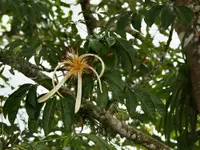 POPULAR
Money Tree
Pachira aquatica
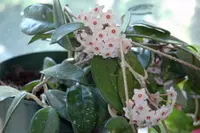 POPULAR
Wax Plant
Hoya carnosa
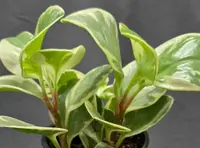 POPULAR
Baby Rubberplant
Peperomia obtusifolia
 POPULAR
Queen of The Night
Epiphyllum oxypetalum
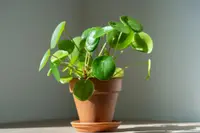 POPULAR
Chinese Money Plant
Pilea peperomioides
 POPULAR
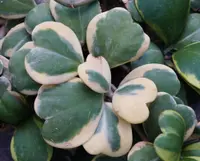
Hoya Hearts
Hoya kerrii
 POPULAR
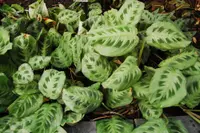
Prayerplant
Maranta leuconeura
 POPULAR
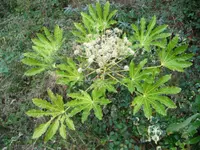
Japanese aralia
Fatsia japonica
 POPULAR
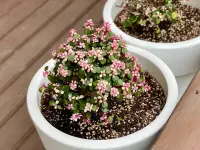
Elephant Bush
Portulacaria afra
 POPULAR
String of Turtles
Peperomia prostrata
 POPULAR
Parlor Palm
Chamaedorea elegans
 POPULAR
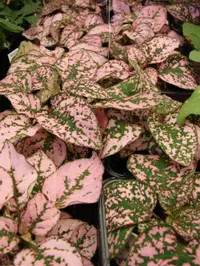
Polka Dot Plant
Hypoestes phyllostachya
 POPULAR
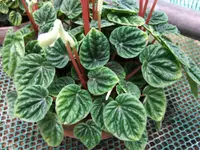
Emerald-Ripple Peperomia
Peperomia caperata
 POPULAR
Cape sundew
Drosera capensis
 POPULAR
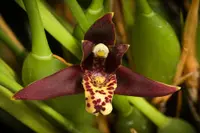
Coconut orchid
Maxillaria tenuifolia
-1-200x132.webp) POPULAR
POPULARPonytail Palm
Beaucarnea recurvata
 POPULAR
Hoya linearis
Hoya linearis
 POPULAR
Turtle Vine
Callisia repens
 POPULAR
Japanese camellia
Camellia japonica
 POPULAR
Baby Tears
Pilea depressa
 POPULAR
Jewel Orchid
Ludisia discolor
 POPULAR
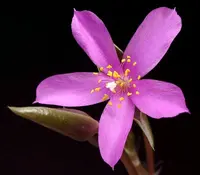
Sand Rose
Anacampseros rufescens
 POPULAR
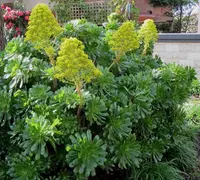
Tree Aeonium
Aeonium arboreum
 POPULAR
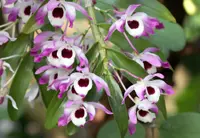
Noble Dendrobium
Dendrobium nobile
What Pet-Safe Actually Means
Non-toxic, pet-friendly plants are definitely not an abstract or even a broad category. Plants safe for pets are specifically those that cause no poisoning or its symptoms (vomiting, diarrhea, tremors, kidney injury, or dermatitis) when a pet encounters, ingests, or touches them in normal household amounts.
Note that pet-safe doesn’t always mean edible, safe for all pets, or free of secondary hazards (pesticide or fertilizer residues). For example, some might be safe for dogs but dangerous for cats that lack a key liver enzyme that metabolizes certain plant compounds. Species safe for both dogs and cats might not be safe for birds, rabbits, reptiles, and horses.
If you want to be confident about the species’ status and the potential toxicity level (non-toxic, mildly toxic, or toxic), you can check it on the ASPCA website via the search tool.
How to Choose & Place Plants — Practical Tips
There are many safe options across different categories like palms, ferns, orchids, peperomia species, calatheas, and many others. Popular options safe for both cats and dogs include Parlor palm, Areca palm, Moth orchid, Boston fern, and Baby rubber plant.
However, there are some placement rules even for non-toxic species. Consider your pet’s personal habits. Avoid placing hanging plants or plants with heart-shaped leaves that can be extra tempting for cats. Avoid placing any on the floor if you have a dog.
Try to avoid true lilies, oleander, azalea, rhododendrons, and similar high-severity species entirely. You can see the safe options and learn more about each species right on this page.