



Forest Plants List
Browse forest plants that live in rich soils and naturally humid conditions. Find beautiful woodland species for your garden.
Find Plants by Letter
 POPULAR
Monstera
Monstera deliciosa
 POPULAR
Money Tree
Pachira aquatica
 POPULAR
Wandering Jew
Tradescantia zebrina
 POPULAR
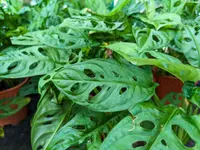
Swiss Cheese Vine
Monstera adansonii
 POPULAR
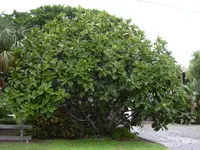
Fiddleleaf Fig
Ficus lyrata
 POPULAR
Polka Dot Begonia
Begonia maculata
 POPULAR
ZZ Plant
Zamioculcas zamiifolia
 POPULAR
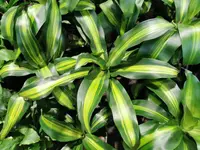
Corn Plant
Dracaena fragrans
 POPULAR
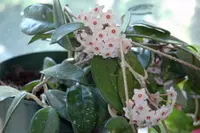
Wax Plant
Hoya carnosa
 POPULAR
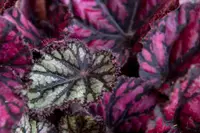
King Begonia
Begonia rex
 POPULAR
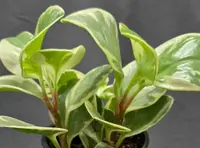
Baby Rubberplant
Peperomia obtusifolia
 POPULAR
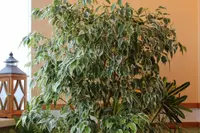
Weeping Fig
Ficus benjamina
 POPULAR
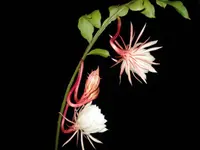
Queen of The Night
Epiphyllum oxypetalum
 POPULAR
Purple Heart
Tradescantia pallida
 POPULAR
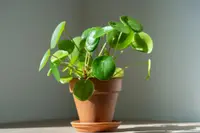
Chinese Money Plant
Pilea peperomioides
 POPULAR
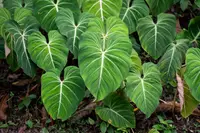
Philodendron gloriosum
Philodendron gloriosum
 POPULAR
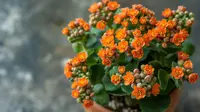
Flaming Katy
Kalanchoe blossfeldiana
 POPULAR
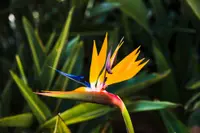
Giant White Bird of Paradise
Strelitzia nicolai
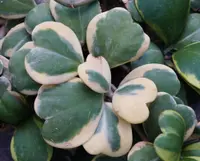 POPULAR
Hoya Hearts
Hoya kerrii
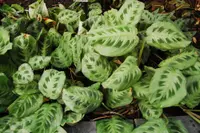 POPULAR
Prayerplant
Maranta leuconeura
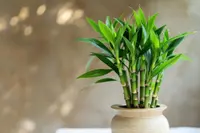 POPULAR
Lucky Bamboo
Dracaena sanderiana
 POPULAR
False Shamrock
Oxalis triangularis
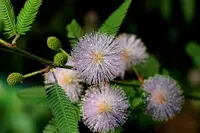 POPULAR
Sensitive Plant
Mimosa pudica
 POPULAR
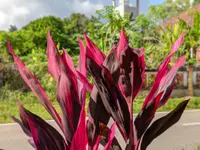
Ti Plant
Cordyline fruticosa
Forest Plants & Their Unique Habitat
Forests are separate ecosystems and home to many living organisms, including animals, birds, amphibians, insects, and, of course, a myriad of plants. According to rough estimates, the full list of forest plants would include 300,000+ species in different zones worldwide.
Each forest ecosystem includes all the species in it, from the largest trees to mosses. Their habitat is characterized by reduced light due to a dense tree canopy, high humidity, and rich organic soil. The entire system is structured vertically into distinct horizontal layers.
The emergent layer is the highest (200-230 feet or 60-70 meters) and is common to tropical zones, with the highest trees exposed to sunlight and winds. The canopy is the dominant layer, formed by the tallest trees, acting like a roof.
The understory lies beneath and includes smaller trees, shrubs, and woody plants. The ground level is the lowest. It includes grasses, wildflowers, ferns, and all other ground covers.
How Forest Diversity Affects Ecology
There are thousands of forest plants’ names, and you’ve definitely heard many of them. White oak, Weeping beech, Anemone clematis, and myriad other species are there. They directly affect the ecology.
The root systems of trees and cover species stabilize soil. Organic matter supports nutrient cycling and improves fertility. Leaves and branches intercept rainfall and reduce soil erosion. The entire ecosystem is home to 80% of amphibians, 75% of birds, and 68% of mammals.
Species diversity depends heavily on the climate. Tropical forests near the equator are the most diverse and have many unique plants, such as epiphytes, lianas, and giant flowers. Temperate forests are dominated by broadleaf deciduous or mixed trees but have a very wide range of ground-level species. Boreal forests of Siberia, Scandinavia, Canada, and Alaska are home to the largest land area of any forest biome.
You can see how diverse such systems are and better understand the characteristics of each species from the list of forest plants’ names and pictures above.