



List of Edible Plants
Learn more about edible plants that offer fresh harvests. Browse herbs, fruits, vegetables, and other edible species to grow your own garden.
Find Plants by Letter
 POPULAR
Monstera
Monstera deliciosa
 POPULAR
Money Tree
Pachira aquatica
 POPULAR
Aloe
Aloe vera
 POPULAR
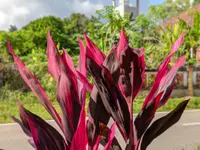
Ti Plant
Cordyline fruticosa
 POPULAR
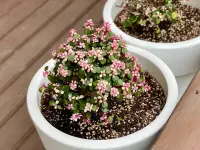
Elephant Bush
Portulacaria afra
 POPULAR
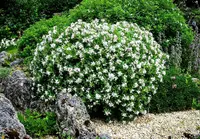
Cape jasmine
Gardenia jasminoides
 POPULAR
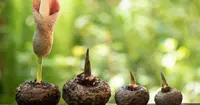
Devil's Tongue
Amorphophallus konjac
 POPULAR
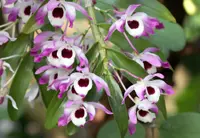
Noble Dendrobium
Dendrobium nobile
 POPULAR
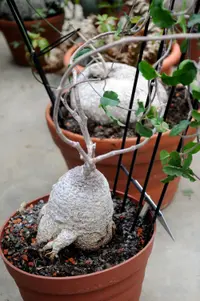
Hottentot Bread
Fockea edulis
 POPULAR
Chinese hibiscus
Hibiscus rosa-sinensis
 POPULAR
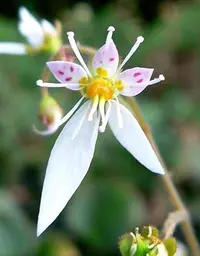
Strawberry saxifrage
Saxifraga stolonifera
 POPULAR
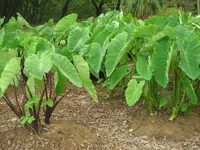
Taro
Colocasia esculenta
 POPULAR
Cushion Aloe
Ficus benghalensis
 POPULAR
Cabbage tree
Cordyline australis
 POPULAR
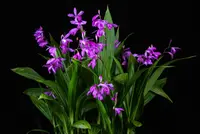
Chinese ground orchid
Bletilla striata
 POPULAR
Carnation
Dianthus caryophyllus
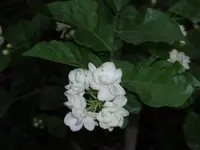
Arabian Jasmine
Jasminum sambac

Garden Dahlia
Dahlia pinnata
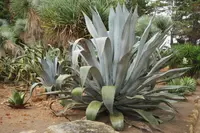
Century plant
Agave americana
 POPULAR
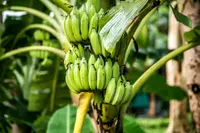
Japanese banana
Musa basjoo
 POPULAR
Ming aralia
Polyscias fruticosa
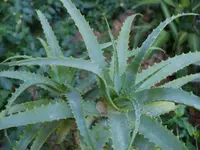
Candelabra aloe
Aloe arborescens
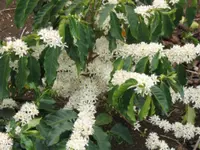
Arabica coffee
Coffea arabica
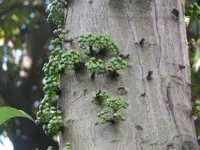
Common Red-stem Fig
Ficus variegata
What Edible Plants Are & Why Safety Matters Most
Edibles are a diverse category that includes all plants we can safely eat. However, edibility does not always refer to the entire plant. For example, we can consume roots and tubers (carrot and potato), leaves (lettuce, spinach), stems (celery, asparagus), fruits and seeds (apples, strawberries), and even flowers (broccoli, cauliflower).
However, even if one part of the plant is edible, it doesn’t mean that the other parts are non-toxic. That applies even to the most common edible plants. For example, tomato fruits are harmless, while stems, leaves, and green fruits contain alkaloids. Green potatoes and potato sprouts contain high levels of glycoalkaloids.
Cooking also matters. For example, raw and undercooked kidney beans contain too much phytohaemagglutinin, which can cause vomiting and diarrhea. Boiling, however, destroys those toxins. So, edible plants are a legitimate category, but it’s important to remember that this classification comes with its own limitations.
The Diversity of Edibles: Wider Than Expected
The full list of edible plants includes roughly 30,000+ species. They all can be divided into two main categories: cultivated and wild.
Cultivated edible plants include multiple subcategories. These are vegetables (leafy, stem, root, and bulb), grains and legumes (e.g., wheat, rice, corn, and beans), fruits and fleshy crops (e.g., apples, berries, sunflower seeds), and herbs (e.g., basil, thyme, rosemary).
Wild edibles also include some key types. These are leafy greens (e.g., dandelion, lamb's quarters, purslane), wild fruits and berries (e.g., mulberries, hawthorn berries, rose hips), nuts (acorns, chestnuts, hazelnuts), roots and tubers (e.g., wild carrot, chicory root, cattail rhizomes).
The Key to Safe & Accurate Identification
Safety should always be your top priority. It might seem that identifying edibles is relatively simple, but there are many edible and toxic look-alikes. For example, wild carrot looks similar to poison hemlock. Death camas may resemble wild onion.
So, just knowing common and wild edible plants' names isn’t enough. You need to identify each species carefully, be fully informed about edible and toxic parts, look-alikes, and potential risks. All this information is available on the list of edible plants above.